Foreign policy orthodoxies rarely die quietly, but Donald Trump just took a sledgehammer to one of Washington's oldest security anchors in Asia.
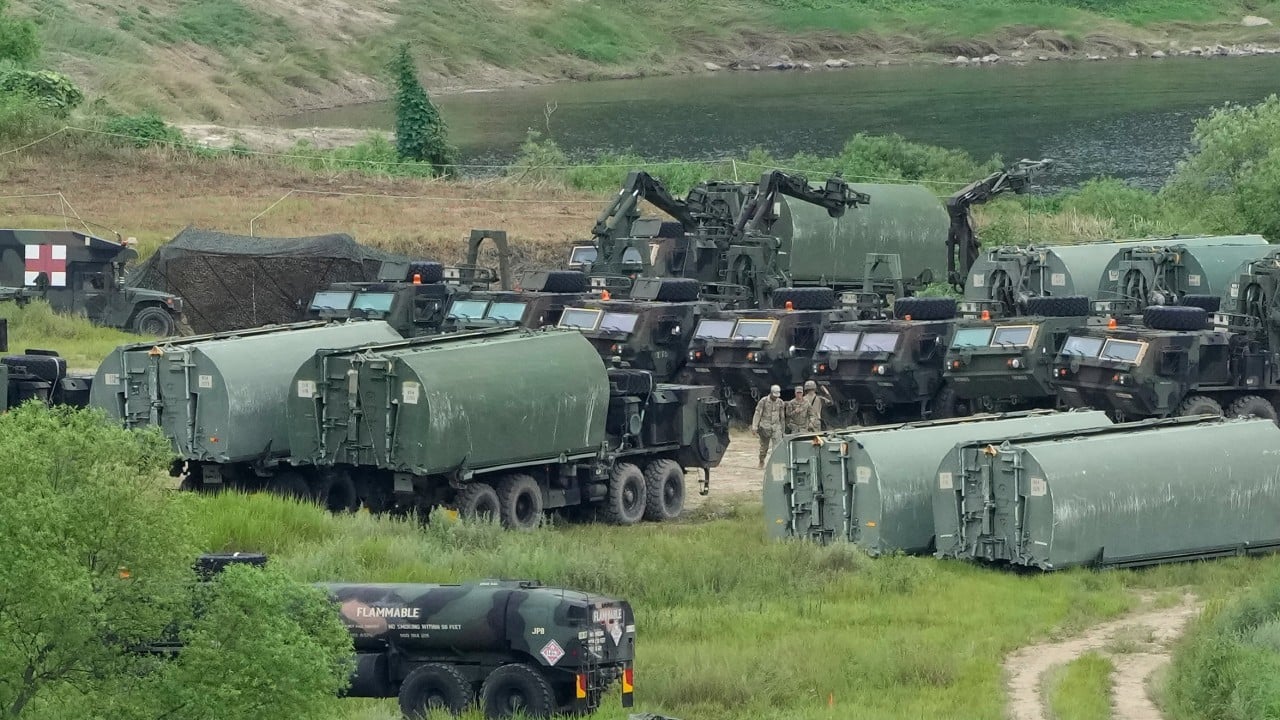
Hours before the annual Ulchi Freedom Shield exercises were scheduled to kick off, Trump directed the Pentagon to substantially slash joint military drills with South Korea. His stated reasons were classic Trump: a mixture of personal rapport with North Korean leader Kim Jong Un, complaints about financial costs, and open frustration that Seoul declined to back Washington's military campaign against Iran.
Lawmakers on both sides of the aisle panicked. Defense analysts threw their hands up. But if you have watched Trump’s foreign policy playbook over the years, this move shouldn't come as a shock at all. It exposes a deep, structural fracture in how Washington views long-term alliances versus how traditional military planners view regional deterrence.
The Real Trigger Behind the Decision
Let's look past the social media post about Kim Jong Un being "unthreatening and respectful." The actual breaking point for the White House appears tied to burden-sharing and geopolitical alignment outside of East Asia.
Trump made it clear that he asked South Korean leadership to join American forces in the ongoing military operations targeting Iran. Seoul said no.
For an administration hyper-focused on forcing global partners to pull their own weight or line up behind broader U.S. interventions, that refusal carried consequences. Snubbing a request for coalition support in the Middle East directly correlated with an abrupt pullback on the Korean Peninsula. It is transactional foreign policy in its purest form. You don't pitch in where Washington wants you, and the safety nets closer to home suddenly look a lot more flexible.
Why Lawmakers and Military Planners Are Sweating
The bipartisan backlash was swift and severe. Senator Jack Reed blasted the choice as an inane, haphazard maneuver that hands Kim Jong Un a free propaganda win. Republican Senator Thom Tillis pointed out that scaling back exercises with a 70-year military partner weakens readiness at a time when North Korea is actively deepening its military ties with Russia.
North Korea has deployed troops to assist Russian forces in Ukraine. Pyongyang's ballistic missile technology continues to advance, with recent flight tests showing capability improvements that worry command structures across North America.
To military commanders stationed at Camp Humphreys and across the Pacific, joint readiness isn't just political theater. It's the mechanical glue holding a complex defensive architecture together. When you strip out large-scale live-fire scenarios, drone defense drills, and cyber coordination, the muscle memory of the alliance starts to atrophy. Adversaries like China and Russia watch these friction points closely, calculating exactly how far they can push before Washington's security guarantees buckle.
Seoul Reacts With Quiet Containment
South Korea's presidential office responded with measured restraint, stating they are reviewing the directive while keeping an eye out for potential diplomatic openings with Pyongyang.
Seoul is caught in an impossible squeeze. Publicly, the government must project calm and maintain an ironclad front. Privately, defense officials know they are losing crucial deterrent capabilities just as regional threats become more volatile. The modern security environment involves multi-domain warfare—combining GPS spoofing, drone saturation, and cyber sabotage. Practicing against these threats requires heavy, synchronized maneuvers that smaller unilateral drills simply cannot replicate.
Trump's pivot reveals a stark reality for the future of U.S. foreign commitments. Long-standing treaty partners can no longer assume that shared history or baseline strategic geography will shield them from shifting presidential priorities. If alliances cannot be leveraged for immediate, global alignment on Washington's terms, they risk getting trimmed down to save cash and court alternate dialogues.
Keep a close eye on how Pyongyang responds to the downsized drills. If Kim Jong Un pocketing this concession triggers more missile tests rather than actual denuclearization talks, the real cost of this decision will land squarely on the shoulders of the troops stationed along the border.