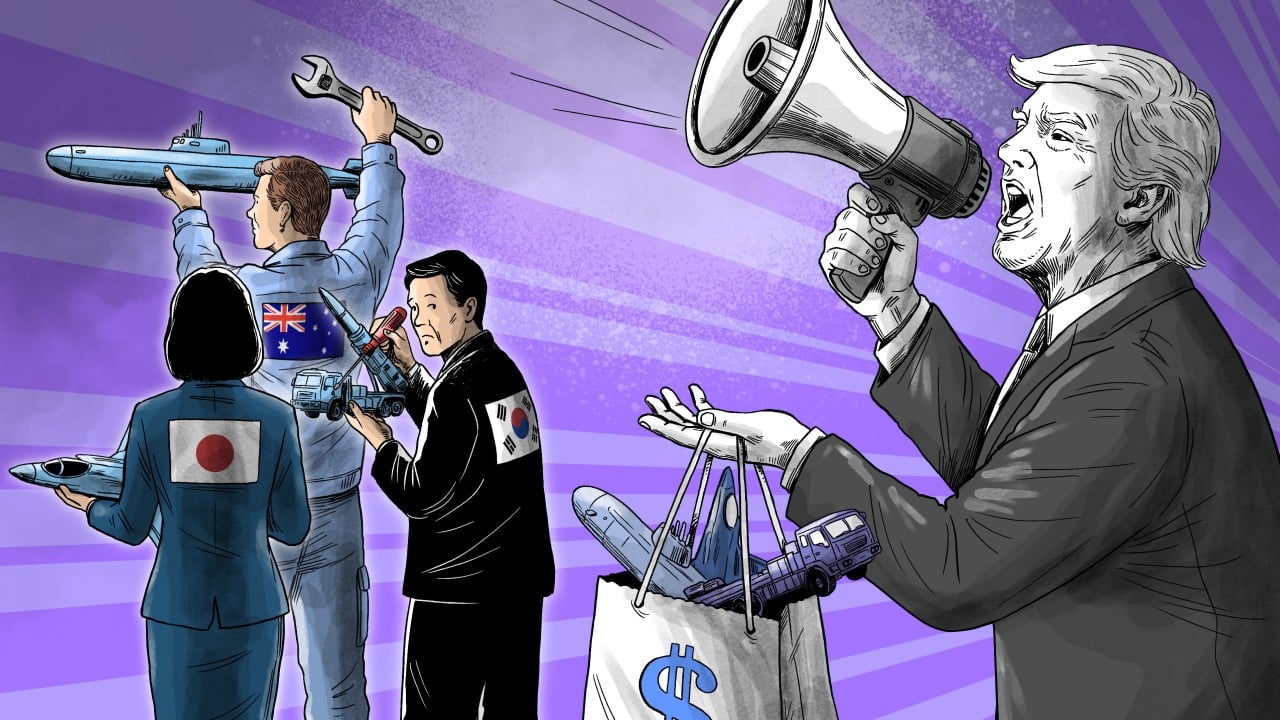
Foreign policy rarely goes according to plan. When Washington applies pressure on international partners, results often flip entirely. Right now, the White House is demanding that Asia-Pacific allies drastically ramp up their military investments. The numbers being thrown around are massive, pushing targets toward the 3.5 to 5 percent of GDP mark.
On paper, this sounds like a win for burden-sharing. In reality, forcing these sweeping changes on Indo-Pacific partners could shatter the very security architecture the United States spent decades building.
The Core Miscalculation in the Indo-Pacific
Let's look at the actual math. According to the Stockholm International Peace Research Institute, Singapore spends roughly 2.8 percent of its GDP on defense. South Korea sits around 2.6 percent, Taiwan at 2.1 percent, Australia at 1.9 percent, and Japan trails near 1.4 percent. Many emerging economies across Southeast Asia sit even lower.
Tacking on massive mandatory budget hikes creates an immediate fiscal crisis for countries absorbing regional economic shocks. More importantly, it fundamentally misreads what deterrence requires in this specific theater. The Indo-Pacific is defined by vast maritime distances, vital choke points, and island chains. It demands high-end naval assets, advanced submarine programs, and long-range air power. These systems take decades and hundreds of billions of dollars to construct.
Asking lower-to-middle-income partners to simply spend more cash does not automatically translate to strategic strength. It often leads to bloated, inefficient procurement.
The Trust Deficit Driving Regional Friction
Trust is fragile. When senior officials push unrealistic financial demands while pairing them with aggressive tariff policies, allies notice. Key regional players like Japan, Australia, and South Korea find themselves trapped in an uncomfortable squeeze. They rely heavily on American security guarantees, yet they increasingly question Washington's long-term reliability.
Public pushback has already moved past closed-door diplomatic cables. Leaders across the region have openly voiced frustration at international forums like the Shangri-La Dialogue, pointing out that the real danger isn't a lack of local spending—it's the eroding confidence in American consistency.
When allies feel abandoned or bullied on trade while facing heavy-handed defense ultimatums, they don't double down on loyalty. They hedge their bets.
Opening the Door for Beijing
This is where the strategy risks a massive backfire. If Asian nations conclude that relying on the United States comes with unpredictable economic punishment and erratic political demands, they will look for alternatives.
China remains right next door. Beijing has spent years expanding its regional influence through economic integration and steady diplomatic outreach. If Washington alienates its democratic partners through relentless financial nagging and unpredictable swings in foreign policy, those partners may quietly recalibrate their relations with Beijing. They might not become formal allies of China, but they will prioritize independent strategic autonomy over toeing the American line.
We are already seeing the early stages of this drift. Regional minilateral frameworks and security arrangements are facing intense headwinds as capitals in Tokyo, Canberra, and Seoul reevaluate their exposure to Washington's political volatility.
What This Means Moving Forward
Coercing allies into higher defense budgets through public ultimatums is a high-risk gamble. It assumes that partners have endless domestic political capital to spend on foreign demands while their export-driven economies absorb American tariffs.
If the White House wants a sustainable security network in Asia, blunt-force financial pressure won't cut it. Real deterrence requires collaborative economic strategy, predictable diplomacy, and mutual respect. Ignore those realities, and the defense pacts holding the Pacific together could quietly unravel from the inside out.
Trump Blasts NATO For 'Ridiculous' Spending — Allies On Edge Over Defense Expenditure Rift
This video explores how similar high-pressure tactics regarding defense expenditure are currently straining traditional alliances and creating deep anxiety among international partners.
http://googleusercontent.com/youtube_content/1