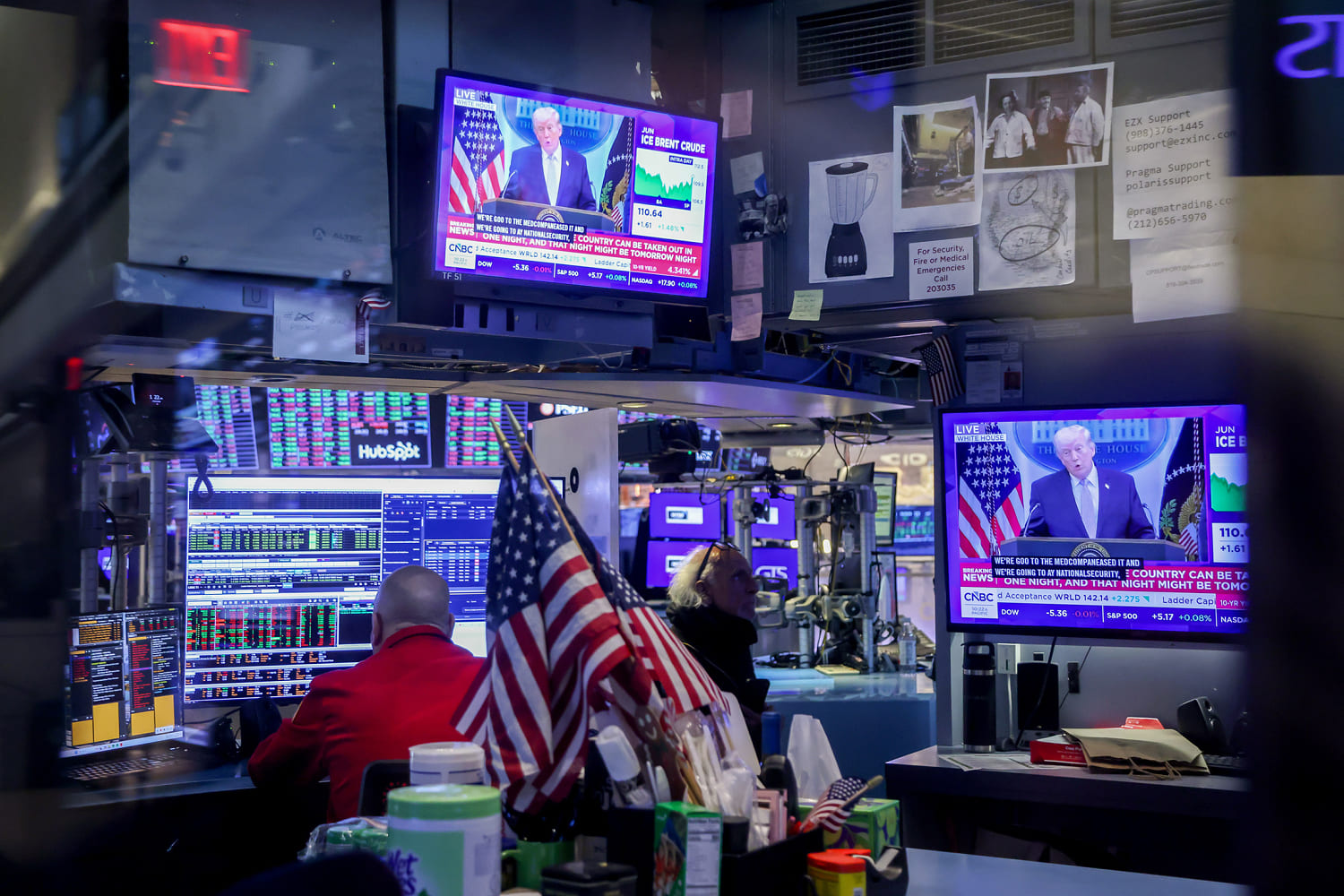
Oil prices didn't just fall today; they fell off a cliff. For weeks, the world has watched the clock tick down toward a Tuesday night deadline that felt like the start of something much worse. Donald Trump had threatened to bomb Iranian infrastructure into "the stone ages." Tehran countered by effectively choking the global economy at the Strait of Hormuz. Then, with an hour left, everyone took a breath.
The announcement of a two-week ceasefire has sent Brent crude plunging 14.4% to roughly $93 a barrel. US crude saw a similar 14.7% nose-dive. On Wall Street, S&P 500 futures are surging over 2%, signaling a massive relief rally when the opening bell rings. It's the kind of sudden market shift that makes and breaks fortunes in minutes.
The Deal on the Table
This isn't a peace treaty. It's a pause. Trump agreed to hold off on the "Epic Fury" operation—the plan to strike Iranian power plants and bridges—on one condition: the Strait of Hormuz must reopen.
Iran's Supreme National Security Council didn't take long to accept. Their military will still "manage" the passage, but for the next fourteen days, tankers can move again. For a global market that lost roughly 11 million barrels per day of production during this six-week conflict, this is the first real sign of life.
The high-stakes negotiations are moving to Islamabad this Friday. But don't let the green screens on your trading app fool you into thinking the crisis is over. A two-week window is barely enough time for a tanker to clear the Persian Gulf and hit the open sea.
Why the Markets Reacted So Violently
Markets hate uncertainty, but they hate $117 oil even more. Before the ceasefire news broke, analysts were pricing in a nightmare scenario where Brent could hit $170 to force demand destruction.
Here is what's actually happening behind the numbers:
- The Inflation Hedge Unwind: Investors who piled into gold and oil as a war hedge are now scrambling to exit. Gold slipped over 3% as the "fear trade" evaporated.
- Supply Chain Hope: The closure of the Strait didn't just hit oil. It crippled natural gas flows and petrochemical exports. The prospect of these resuming is what's driving the 2% jump in S&P 500 futures.
- The Dollar's Safe-Haven Status: The US dollar eased slightly as the immediate threat of a wider regional war cooled, allowing international stocks, especially in Japan and South Korea, to skyrocket.
Honestly, it's a classic "buy the rumor, sell the news" event, except the rumor was a world war and the news is a temporary truce.
The Reality of the Two Week Window
You have to look at what this ceasefire doesn't do. It doesn't fix the depleted Strategic Petroleum Reserves (SPR) in the US and Europe. It doesn't repair the South Pars natural gas fields that were hit earlier this week. Most importantly, it doesn't provide a long-term guarantee for shippers.
Insurance premiums for tankers in the region are still at astronomical levels. Most captains aren't going to sail into the Strait just because of a post on social media. They need to see a sustained lack of hostiles.
"Today, Trump looked for an off-ramp and he took it," noted Jamie Cox of Harris Financial Group. It's a sentiment shared by many who felt the administration had boxed itself into a corner with the Tuesday deadline.
What You Should Watch Next
If you're looking at your portfolio today, don't chase the rally blindly. This is a high-volatility environment where a single "hot" statement from Tehran or Washington could reverse these gains in ten minutes.
- Islamabad Talks: Friday is the real test. If the U.S. and Iranian delegations can't agree on a framework beyond the two weeks, expect oil to claw back every cent of today's 15% drop.
- Tanker Movement Data: Watch the actual "pings" from vessels. If the big shipping companies like Maersk or Euronav don't start moving ships by the weekend, the market rally will stall.
- Refinery Runs: Watch for news on whether Saudi Arabia and the UAE scale back their emergency pipeline usage.
The immediate threat of "Epic Fury" has faded, but the underlying supply deficit remains. We're still up over 40% on oil prices compared to the pre-war baseline. This isn't a return to normal; it's a stay of execution.
Keep your eye on the shipping data. If the tankers don't move, neither should your money.