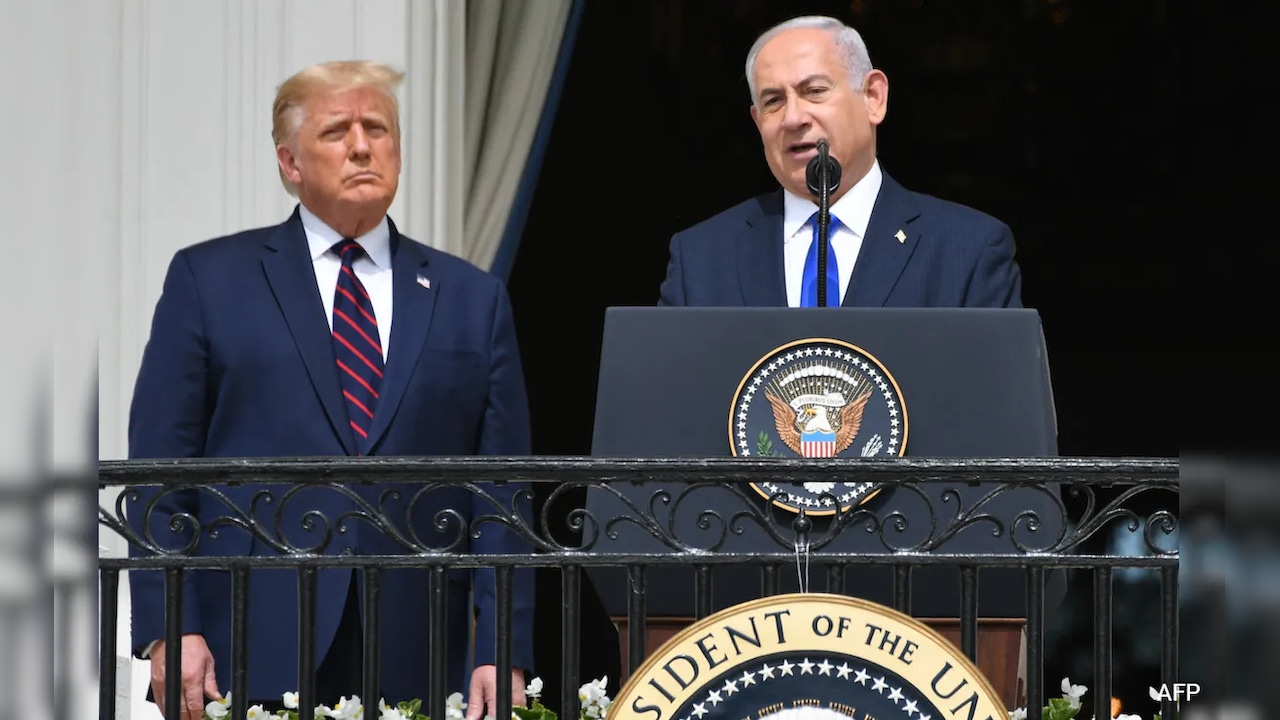
When the United States and Israel launched coordinated military strikes against Iran on February 28, Donald Trump and Benjamin Netanyahu stood shoulder to shoulder. It looked like the ultimate hawkish dream team. Netanyahu finally got the American-backed hot war against Tehran he had coveted for three decades. Trump got to project raw power, boasting about the death of Iran's Supreme Leader in the opening barrage and confidently predicting a rapid, Venezuela-style regime collapse.
It didn't happen.
Instead of a quick victory, the conflict dragged into a grinding regional stalemate. Now, the geopolitical reality of an unfinished war has turned a historic bromance into an explosive political liability. Tensions erupted into the open after heated phone calls where Trump reportedly called the Israeli Prime Minister "crazy" and used heavy expletives to demand an immediate halt to airstrikes in Beirut. The split is not just a personal spat between two volatile leaders. It's a structural collision of two men with completely opposite political survival strategies.
The Mirage of a Quick Victory
The fundamental breakdown in the alliance stems from a massive miscalculation about what this war was supposed to achieve. Trump ran on a platform of ending foreign entanglements, not starting endless ones. He backed the February strikes because Israeli intelligence assessments suggested a short, sharp campaign would shatter Iran’s strategic capabilities or force immediate capitulation.
Trump wanted a fast, dramatic win to leverage into a diplomatic masterstroke before the upcoming congressional midterm elections. Netanyahu, however, viewed the outbreak of open warfare as an opportunity to permanently eliminate Israel's existential threats, regardless of how long it took.
When Iran withstood the initial shock, closed the Strait of Hormuz, and retaliated with ballistic missiles, the costs shifted dramatically. In the U.S., the prolonged closure of the shipping lanes sent global oil and gas prices soaring. Domestic voters began accusing Trump of breaking his core campaign promises.
For Trump, the war quickly transitioned from a political asset to an economic nightmare. He needs the shooting to stop, the shipping lanes to reopen, and a diplomatic breakthrough to brag about on the campaign trail.
The Collision Course in Lebanon
The immediate flashpoint tearing the two leaders apart is Lebanon. As Israel continues its ground operations and heavy bombardment against Hezbollah, Iran has made a full ceasefire in Lebanon a non-negotiable prerequisite for any regional peace deal.
Trump, eager to secure a comprehensive regional truce, has shown a willingness to include Lebanon in broader diplomatic negotiations with Tehran. He even engaged in tentative mediation involving Qatar and Pakistan to hammer out a deal.
Netanyahu refuses to play along.
Strategic Divide:
US Goal     -> Ceasefire -> Reopen Hormuz -> Drop Gas Prices -> Win Midterms
Israel Goal -> Continue War -> Eradicate Hezbollah -> Political Survival
From the Israeli perspective, blending the war theaters is a strategic trap. Netanyahu is determined to keep Lebanon a separate issue, vowing to continue the military campaign until Hezbollah is completely neutralized and northern Israeli communities can return home safely.
This defiance infuriated the White House. When Israel launched a sudden, unannounced strike on a residential building in Beirut, it nearly derailed sensitive back-channel talks between Washington and Tehran. Trump went on the defensive, publicly asserting his dominance to reporters by stating, "I call all the shots," and explicitly warning Netanyahu that Israel would be "on your own very soon" if it kept ignoring American demands for restraint.
Two Leaders Chasing Different Clocks
To understand why this rift won't easily heal, you have to look at the domestic clocks both men are racing against. They are both facing critical elections, but those elections are forcing them to move in opposite directions.
- Trump's Clock: Driven by global economic stability and immediate American consumer sentiment. High gas prices destroy incumbent parties. Trump needs a quick deal with Iran to pacify voters, stabilize inflation, and protect his party's congressional margins.
- Netanyahu's Clock: Driven by existential security anxieties and intense domestic anger over the security failures of October 7, 2023. Netanyahu’s political survival relies on delivering a total victory. Accepting a premature, American-dictated ceasefire that leaves Hamas partially intact in Gaza, Hezbollah armed in Lebanon, and Iran's nuclear infrastructure functioning would look like a massive failure to the Israeli electorate.
Netanyahu cannot afford to look weak, but he also cannot afford to completely alienate Israel's vital superpower patron. It’s a delicate balancing act that leaves him trapped between U.S. diplomatic pressure and his own right-wing coalition's demands for total victory.
What Happens When the Smoke Clears
Despite the public posturing and the leaked insults, the institutional alliance between the U.S. and Israel is unlikely to completely shatter. Israeli diplomats are already working overtime to downplay the drama, dismissively labeling the tension as a temporary argument between long-time allies.
Yet, the core illusion of the alliance has been permanently shattered. The tactical successes of the initial strikes did not translate into a stable regional architecture. Netanyahu’s grand strategy relied entirely on military solutions while ignoring the complex economic and diplomatic realities that Washington always prioritizes.
If you are tracking international markets or regional stability, look past the daily political rhetoric. The real metrics to watch are the operational status of the Strait of Hormuz and whether Israel complies with the paused airstrikes in Beirut. Trump wants to pivot to diplomacy to salvage his domestic economy, while Netanyahu remains deeply committed to a long-term military overhaul of the Middle East. Those two goals simply do not align anymore.