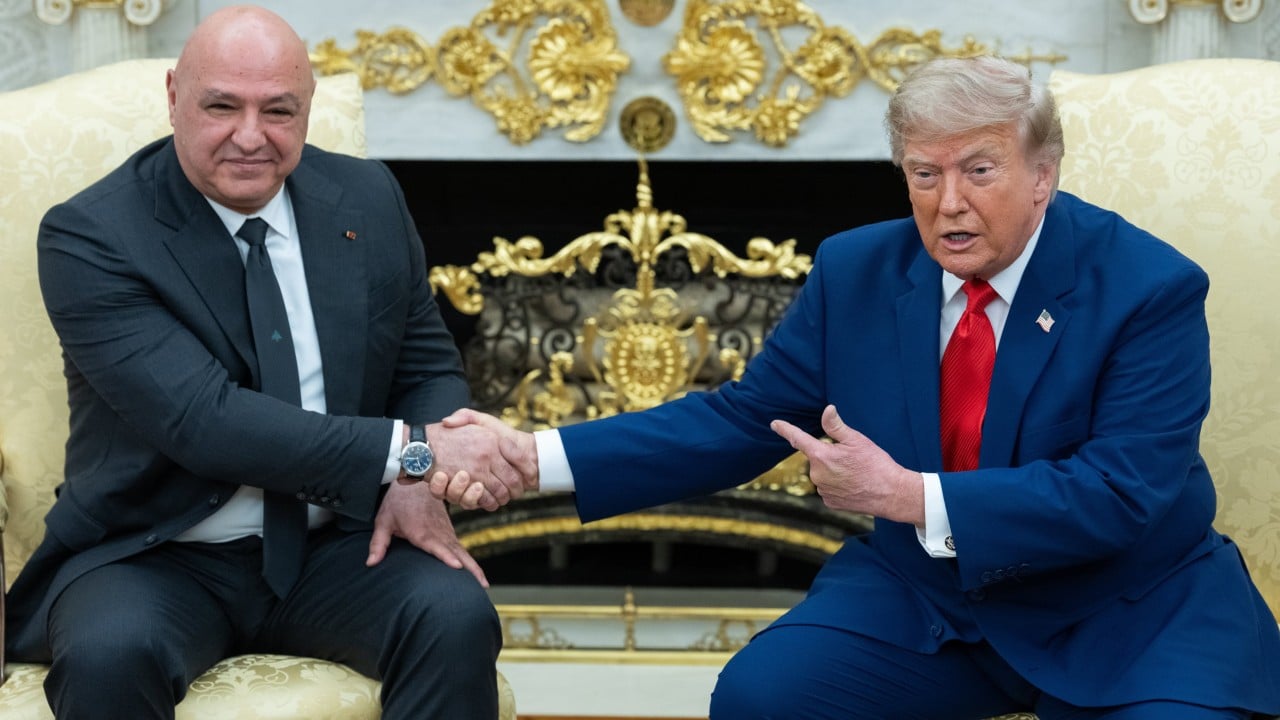
Donald Trump just hosted Lebanese President Joseph Aoun at the Oval Office, making a massive pledge to help Lebanon achieve peace with Israel and rebuild its shattered nation.
It was the first time a Lebanese president walked into the White House since 2009. The meeting came right as the two Middle Eastern neighbors attempt to execute a fragile, U.S.-brokered framework agreement aimed at disarming Hezbollah and ending decades of conflict.
Trump didn't hold back his typical flair during the Oval Office sit-down. He praised Aoun, called Lebanon a "very badly treated country," and announced an immediate end to a 41-year ban on direct flights between the U.S. and Lebanon. But behind the friendly bantering lies a brutally complicated diplomatic gamble that could either reset the Middle East or fall completely flat.
Here's the full breakdown of what was said, what was agreed upon, and why this meeting is such a massive deal.
What Happened at the Trump-Aoun White House Meeting
President Joseph Aoun arrived in Washington on a high-stakes mission. Lebanon has been battered by severe economic collapse and months of direct military clashes between Israel and Hezbollah. Aoun needed strong American backing to enforce a June 26 framework deal that calls for a phased withdrawal of Israeli troops and the deployment of the Lebanese Armed Forces (LAF) in the south.
When Aoun sat down with Trump in the Oval Office, the tone was surprisingly warm.
Trump repeatedly told reporters that Lebanon had been mistreated for decades. "We're going to have it properly treated and treated with the respect it deserves," Trump said. "We're gonna help it a lot."
When Aoun remarked that Trump's vision for peace would be his legacy, Trump joked that Aoun was handsome and "knows how to get to me," adding with a laugh that Aoun could now "have anything."
It wasn't all lighthearted banter, though. Trump made a major policy move right after the meeting by directing his administration to lift the long-standing ban on direct flights between the United States and Lebanon.
Ending a 41-Year Aviation Ban
The decision to restore direct U.S.-Lebanon flights is a huge symbolic and economic win for Aoun's administration.
The U.S. suspended direct flights to Beirut back in 1985 following the hijacking of TWA Flight 847 by Lebanese militants, a dark moment in American diplomatic history. For over four decades, travelers between the two countries had to connect through Europe or the Gulf.
Lifting the ban gives a massive boost to the large Lebanese-American diaspora. Millions of Lebanese expats live in the United States, and travel back home has always been a painful logistics nightmare.
Lebanese Prime Minister Nawaf Salam praised Trump's move immediately, pointing out that direct air links will help kickstart business, tourism, and diaspora investment into Lebanon's struggling economy.
The Core Objective: Disarming Hezbollah and Securing Israeli Withdrawal
Getting direct flights restored is nice, but Aoun didn't fly to Washington just for airline routes. He came to get U.S. muscle behind the June 26 framework deal.
That agreement outlines a clear set of goals:
- Israeli forces must gradually withdraw from southern Lebanese territory.
- The Lebanese Armed Forces must deploy into those southern border regions.
- Non-state armed groups, meaning Hezbollah, must be fully disarmed.
- Both nations must work toward a permanent cessation of hostilities.
Aoun made it clear to U.S. officials that the Lebanese army needs heavy international support to make this happen. "Without the LAF, everything will collapse," Aoun warned during his Washington meetings.
Secretary of State Marco Rubio met with Aoun earlier in the week and echoed that point directly. Rubio stated flatly that Lebanon will never know real security until Hezbollah is replaced by a sovereign state government strong enough to hold the sole authority on weapons in the country.
Pilot Zones and Trouble on the Ground
Enforcing this plan is much easier said than done. The agreement is currently being tested in specific "pilot zones" in southern Lebanon, including villages like Froun, Srifa, and Zawtar al-Gharbiya.
The rollout has already run into trouble. On the very day Trump and Aoun met, warning shots were fired near Lebanese troops deploying into Zawtar al-Gharbiya. Israeli officials claimed the Lebanese army stepped outside the agreed pilot boundary, while Lebanese commanders insisted their troops were within the designated zone and called the shooting aggressive.
This friction highlights the deep mistrust on the ground:
- Destruction: Local mayors report that villages in the south are practically uninhabitable, with leveled houses and bulldozed roads.
- Doubt: Civilians are terrified to return home because Israeli forces remain stationed on nearby ridges.
- Hesitation: Israel has stated it intends to maintain a security presence until it feels 100% confident Hezbollah won't strike back.
Trump's Surprising Comments on Hezbollah and Syria
During his press comments, Trump dropped a few wildcards that left diplomats scratching their heads.
When asked about Hezbollah, Trump casually offered to talk directly to the group himself if President Aoun wanted him to. "If the president wanted me to speak to Hezbollah, I would," Trump remarked. While that drew a nervous laugh from Aoun, direct talk between a U.S. president and a designated terrorist organization would be a historic departure from past policy.
Trump also floated the idea of Syria stepping in to help fight or suppress Hezbollah inside Lebanon. He praised Syrian President Ahmed al-Sharaa, saying al-Sharaa has been fighting Hezbollah for a long time and could be effective.
That suggestion raised eyebrows across Washington and Beirut. Syria occupied Lebanon for decades before being forced out in 2005, so inviting Syrian influence back into Lebanese domestic affairs is something almost no group in Beirut actually wants.
Why Lebanese Americans Are Pinning Their Hopes on This Deal
For the massive Lebanese diaspora in the U.S., this White House meeting carried enormous emotional weight.
Lebanese expats have spent years watching their homeland suffer through a devastating banking collapse, political gridlock, and repeated rounds of war. Aoun taking a firm plan to Washington to assert state authority over armed militias represents a rare moment of actual initiative from Beirut.
Cardinals and community leaders across the U.S. held special prayers ahead of Aoun's visit. The sentiment among the diaspora is overwhelmingly clear: people are exhausted by decades of endless conflict and want a functioning state that can protect its own borders.
Practical Action Points for Following the Situation
If you're tracking Middle East policy or investing in regional stability, keep an eye on these specific indicators over the coming weeks:
- Check FAA notices: Look for the official U.S. Department of Transportation schedule for when commercial U.S. carriers actually launch non-stop routes to Beirut.
- Track Lebanese Army deployments: Watch whether the Lebanese army can successfully take full operational control over the designated pilot zones without clashes.
- Monitor U.S. aid packages: Watch Congress for upcoming military funding bills targeting equipment and salary support for the Lebanese Armed Forces.
- Watch Israeli troop movements: Keep track of official military updates regarding whether Israeli forces reduce their footprint in southern Lebanon or hold onto border positions.