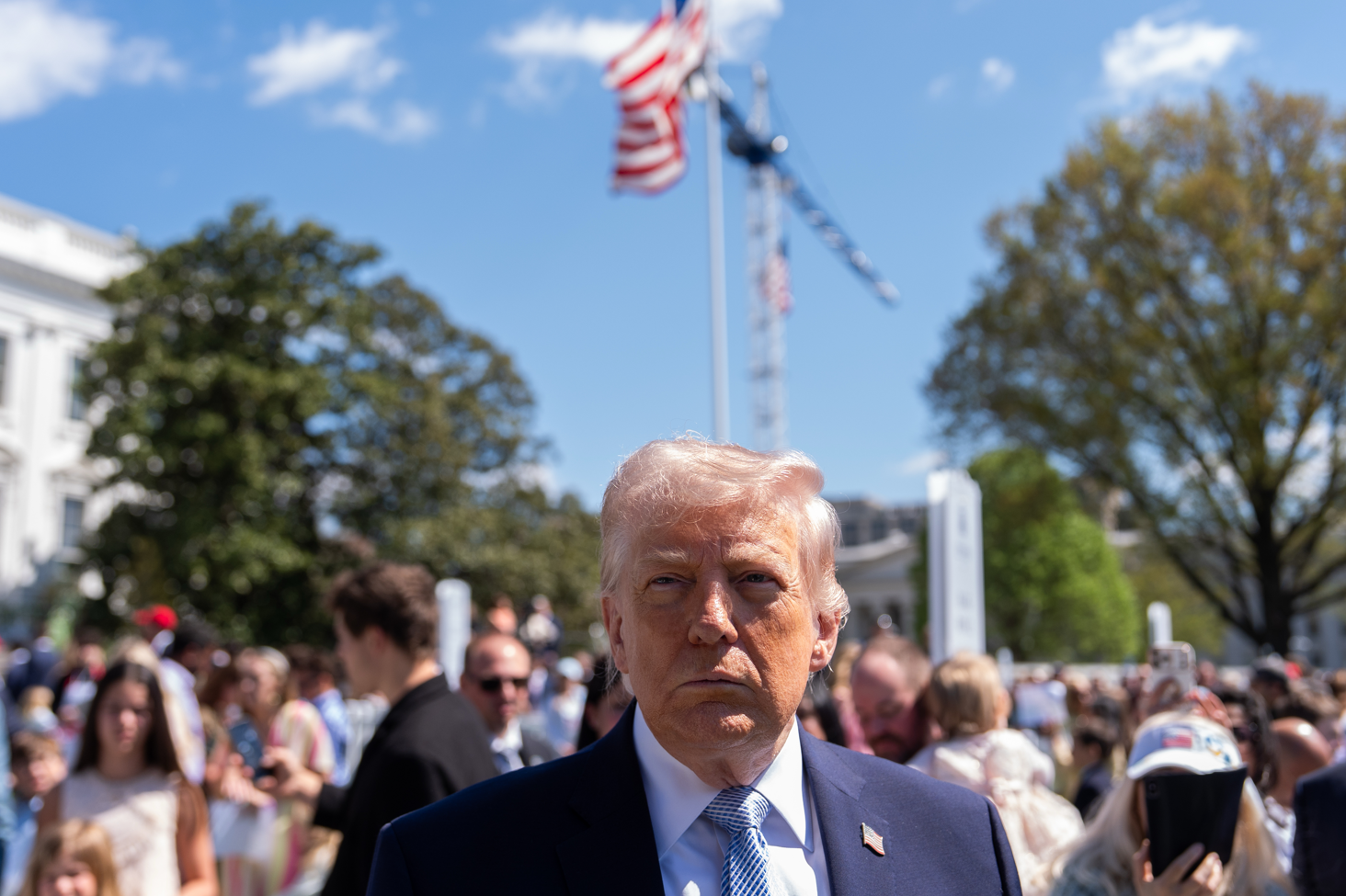
Donald Trump just blinked. Or maybe he didn't. Depending on who you ask in Washington or Tehran today, the 11th-hour truce reached Tuesday night is either a masterclass in "Art of the Deal" brinkmanship or a terrifyingly close brush with a global catastrophe.
For weeks, the President hammered away at a Tuesday 8 p.m. deadline. He didn't just threaten sanctions or surgical strikes. He went full "fire and fury," claiming a "whole civilization" would die if Iran didn't blink. But with less than two hours to spare, the missiles stayed in their silos. Instead of the "complete demolition" of Iranian infrastructure, we got a two-week ceasefire and a promise to reopen the Strait of Hormuz. In other updates, read about: The Invisible Clock and the Ghost of 1973.
If you're wondering what happens next, don't expect a sudden era of peace. This isn't a resolution; it's a reset.
The High Stakes of the Tuesday Ultimatum
The tension leading up to that 8 p.m. cutoff was unlike anything we've seen since the Cuban Missile Crisis. Trump's rhetoric wasn't just aggressive—it was existential. He wasn't talking about "regime change." He was talking about erasing bridges, power plants, and the very fabric of Iranian daily life. Associated Press has also covered this fascinating issue in extensive detail.
Critics and international law experts, including U.N. Secretary-General António Guterres, were already screaming "war crimes" before the first bomb even dropped. Trump's response? He wasn't concerned. He viewed Iran’s entire industrial base as a legitimate military target to stop their nuclear ambitions once and for all.
But why the sudden pause? Pakistan’s Prime Minister Shehbaz Sharif reportedly played the role of the ultimate middleman. He spent the final hours on the phone with Trump, pleading for a delay to prevent a regional meltdown. It worked. Trump agreed to hold off, provided Iran reopens the Strait of Hormuz—the world’s most critical oil chokepoint—which they’d been strangling for over a month.
What Iran Actually Agreed To
Tehran didn't just give up. They’re playing a long game. The "10-point plan" they submitted to the White House is filled with "maximalist" demands that Trump has already called "not good enough."
Here is what the immediate ceasefire actually looks like on the ground:
- A 14-day cooling-off period: No U.S. or Israeli strikes, and no Iranian retaliatory operations.
- Opening the Strait: Ships can pass, but Iran says their military will still "manage" the passage. That's a huge sticking point.
- Talks in Islamabad: Negotiations are set to start Friday in Pakistan to hammer out a long-term deal.
Don't be fooled by the "provisional" nature of this. Iran is hurting. Hard. Between the recent Israeli strikes on their airports and the South Pars gas complex, their economy is on life support. They need this two-week breather to regroup.
The Real Winner in This Standoff
The biggest winner isn't Trump or Khamenei. It’s the global energy market. The moment the ceasefire was announced, oil prices plummeted. For the average person, this means the threat of $10-per-gallon gas just retreated—for now.
But there's a flip side. Israel isn't exactly thrilled with the pause. They've been mirroring Trump's threats, even warning Iranian civilians to stay away from rail lines. While the U.S. is stepping back to talk, the Israeli military remains on high alert. If they feel the U.S. is being too soft in Islamabad, don't be surprised if "unattributed" strikes continue to hit Iranian soil.
Why the Next Two Weeks Are Critical
We're in a "wait and see" period, but the clock is still ticking. Trump hasn't abandoned his "maximum pressure" campaign; he’s just paused the "maximum destruction" phase.
If the talks in Islamabad don't produce a "workable" result by the end of the two-week window, we're right back where we started. Iran wants a permanent end to the war and a total lifting of sanctions. Trump wants a complete dismantling of their nuclear program and an end to their regional proxies like Hezbollah and the Houthis.
The gap between those two positions is a canyon.
Honestly, the risk of a "coercive diplomacy failure" is still incredibly high. When you use threats of total annihilation as a negotiating tactic, you leave yourself very little room to pivot if the other side refuses to bow.
Moving Forward Without the Fireworks
If you're tracking this situation, keep your eyes on three things over the next ten days:
- The Islamabad Agenda: Watch if the U.S. actually agrees to discuss lifting sanctions. If they don't, Iran will likely walk away from the table before the two weeks are up.
- Strait of Hormuz Traffic: Check if tankers are actually moving freely. If Iran "manages" the strait too aggressively, Trump will see it as a breach of the ceasefire.
- Israeli Movement: Watch for any rhetoric from Prime Minister Netanyahu that contradicts the White House. Any daylight between the U.S. and Israel gives Tehran room to maneuver.
Keep your travel plans flexible if you're heading toward the Middle East, and don't assume the "threat of the century" is over. It’s just been rescheduled.