Donald Trump's "Operation Epic Fury" isn't ending with a bang or a signed treaty on the deck of a battleship. It's ending because the man who started it has clearly checked out. After weeks of high-octane rhetoric and a barrage of missiles aimed at Tehran, the reality on the ground in April 2026 looks nothing like the "total victory" promised at Mar-a-Lago.
The Strait of Hormuz remains a graveyard for global trade. Gas prices are screaming past $4 a gallon. The stock market is having a nervous breakdown. And while the Pentagon points to "degraded" Iranian missile sites, the regime in Tehran hasn't budged. Trump, a leader who thrives on the spectacle of winning, now faces a conflict that offers only the drudgery of a stalemate.
The Reality Distortion Field Hits a Wall
You can't just bully a war into submission. Trump’s lifelong strategy—declare victory, ignore the facts, and wait for the world to agree—is failing him here. In the boardroom, that works. In a regional war against a country that has spent forty years preparing for this exact moment, it doesn't.
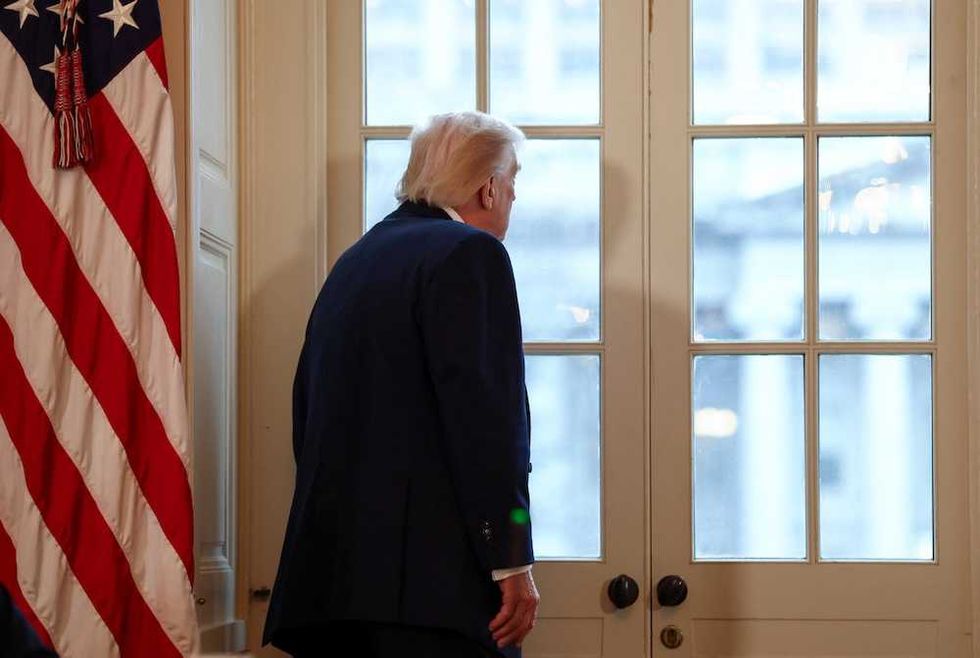
Internal reports suggest Trump is increasingly "bored" with the conflict. That's a terrifying word to hear about a commander-in-chief in the middle of a shooting war. He's looking for an exit, any exit, that he can spin as a win before the 2026 midterms. He needs to move on to the next drama because this one has stopped giving him the dopamine hit of easy adoration.
- Public support is cratering: Six in ten Americans now oppose the strikes.
- The economy is bleeding: Rising fuel costs are hitting his core base where it hurts—their wallets.
- Strategic impasse: Iran's proxy networks, like Hezbollah and the Houthis, are largely intact and actually ramping up strikes.
A War of Choice Without a Plan
The U.S.-Israeli campaign, launched back in February, was built on the assumption that Iran would fold after a few nights of "shock and awe." It was a classic miscalculation. Instead of a quick collapse, we got a global energy crisis.
Trump’s recent threats to "extinguish a whole civilization" or bring Iran "back to the Stone Age" don't sound like a leader in control. They sound like a man frustrated that his "truthful hyperbole" isn't working on the Ayatollahs. When you're threatening to bomb power plants and bridges of a civilian population, you aren't winning the strategic argument—you're losing your grip on the narrative.
The Military Dilemma
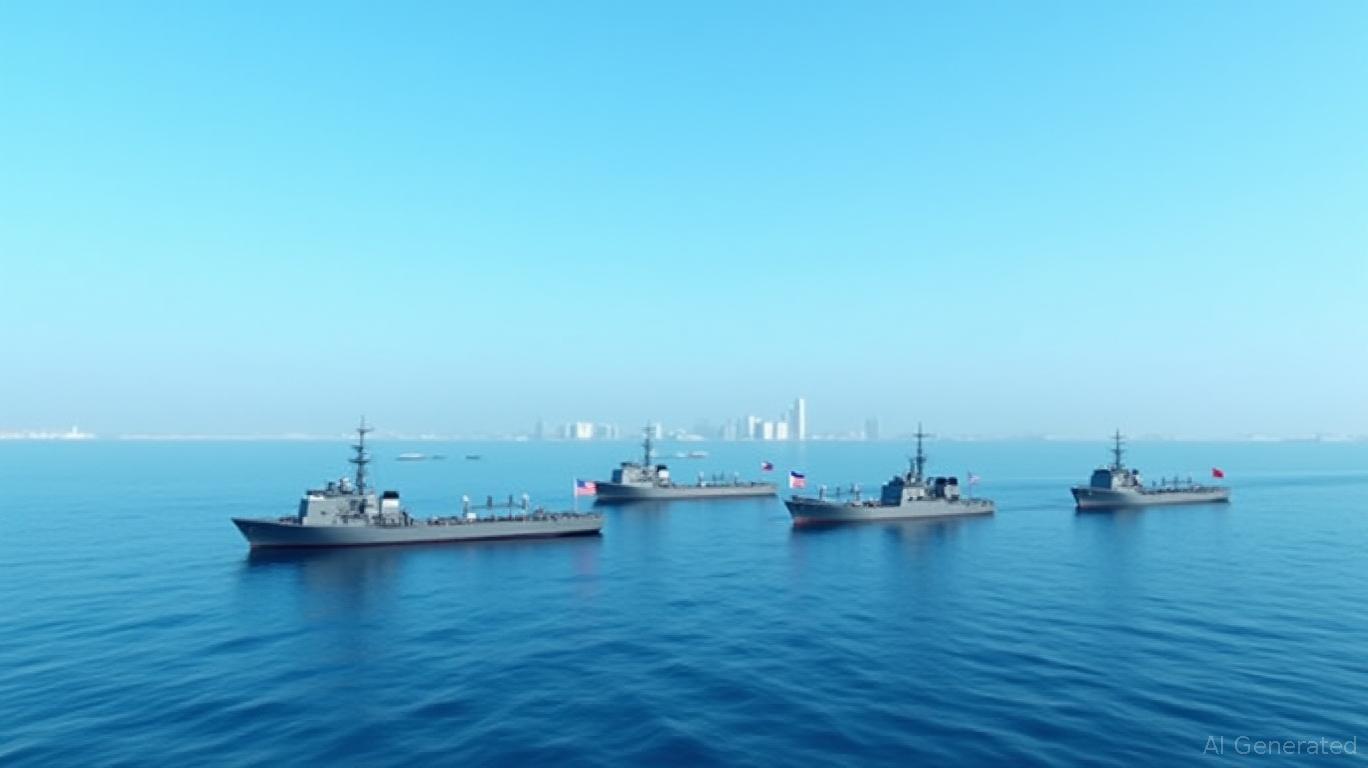
The Pentagon says the operation is a military success. They've destroyed 90% of Iran's missile capacity and most of their navy. But here’s the thing: Iran doesn't need a massive navy to keep the Strait of Hormuz closed. They just need a few resilient batteries and the threat of asymmetric chaos.
- Operation Epic Fury has neutralized the high-tech threats.
- Asymmetric resistance has proven that high-tech doesn't equal control.
- The Blockade is hurting the U.S. and its allies as much as it's hurting Tehran.
The Disconnect Between D.C. and the Front Lines
While Trump watches highlight reels of drone strikes in the Oval Office, his advisers are freaking out. Susie Wiles and other top aides are reportedly trying to break through the "rose-colored" briefings he gets. They see the polling. They see the legal challenges mounting in Congress, where a War Powers vote is looming.
The 60-day legal window for unauthorized military action is closing fast. Trump has always played fast and loose with the law, but a bipartisan push to cut off funding for a war that people are already tired of is a different kind of beast. He’s stuck between a psychological need to never look weak and the cold, hard reality that this war is a political anchor dragging him down.
What Happens When the Smoke Clears
There is a tenuous two-week ceasefire in place right now. It's hanging by a thread. Trump is sending mixed signals—deploying more troops one day and talking about direct negotiations the next. This "maximum uncertainty" isn't a strategy; it's a symptom of a leader who doesn't know how to finish what he started.
Honestly, the "total collapse" isn't happening in the Iranian government. It’s happening in the American strategy. If you want to understand where this is going, look at the exit ramps. Trump is looking for a way to declare "Mission Accomplished" and walk away, even if the region is more unstable than when he started.
If you're tracking this, watch the gas prices and the 60-day War Powers deadline. Those are the real metrics that will decide if Trump stays "checked out" or if he's forced to finally make a choice between a real peace or a much longer, uglier war.
Stop waiting for a clear victory speech. The most likely outcome is a messy, quiet withdrawal masked by a loud, distracting social media campaign. Keep your eyes on the troop movements in the coming week; that's the only truth you're going to get.