The global economy’s neck is currently being squeezed, and Donald Trump just decided to stop waiting for Tehran to let go. After months of naval standoffs and a war that’s sent oil prices into a tailspin, the U.S. is taking matters into its own hands. Today, "Project Freedom" begins. It’s a gamble that could either break the global energy chokehold or ignite a massive new round of fighting.
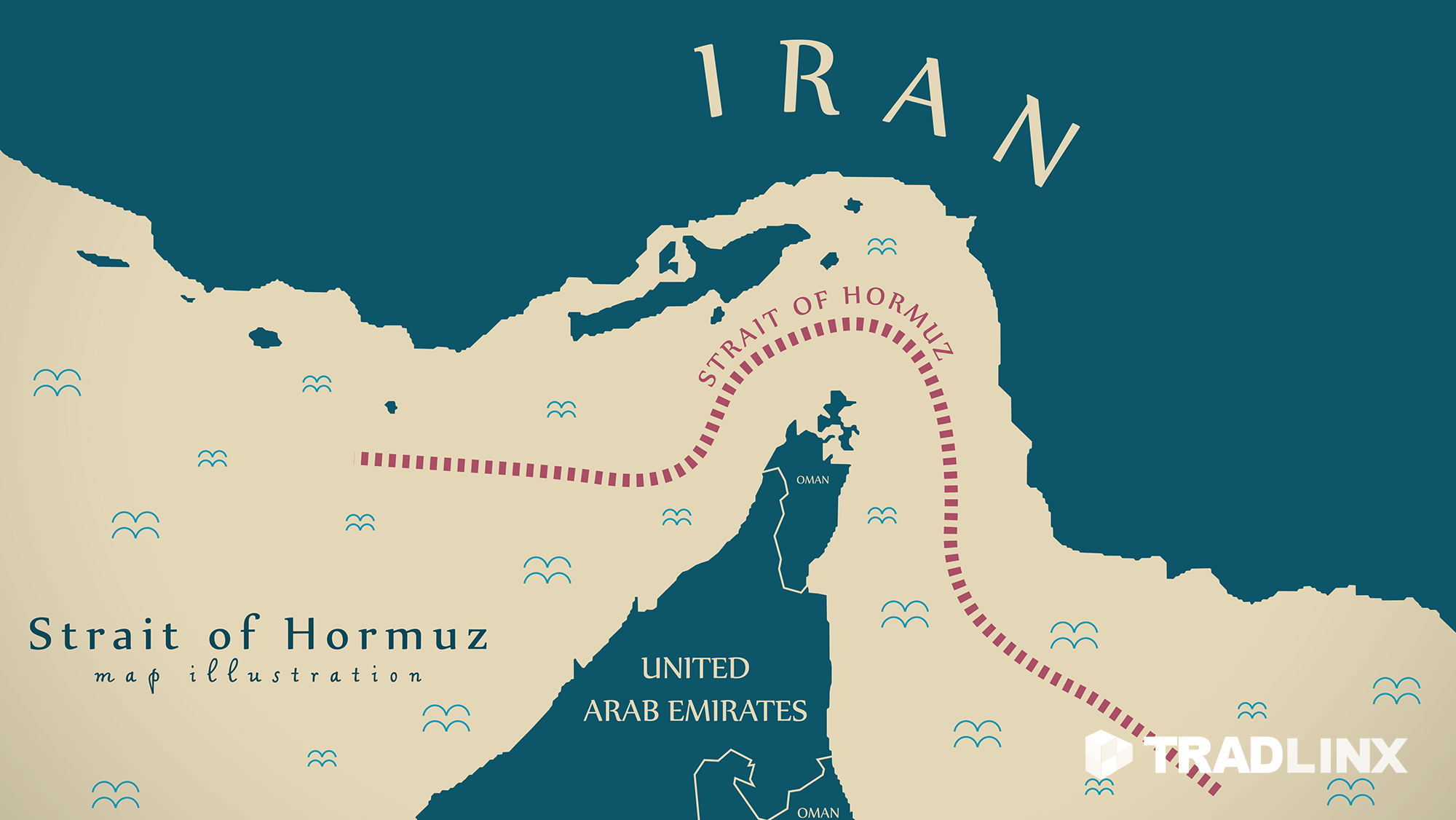
If you’ve been watching the news, you know the Strait of Hormuz is the world's most important oil artery. About 20% of the world’s petroleum flows through that tiny gap. When the war started on February 28, 2026, Iran basically shut the door. Now, with over 850 ships stranded and 20,000 sailors stuck in a maritime purgatory, Trump says he’s done with the talk. He’s moving the ships.
The Project Freedom Gamble
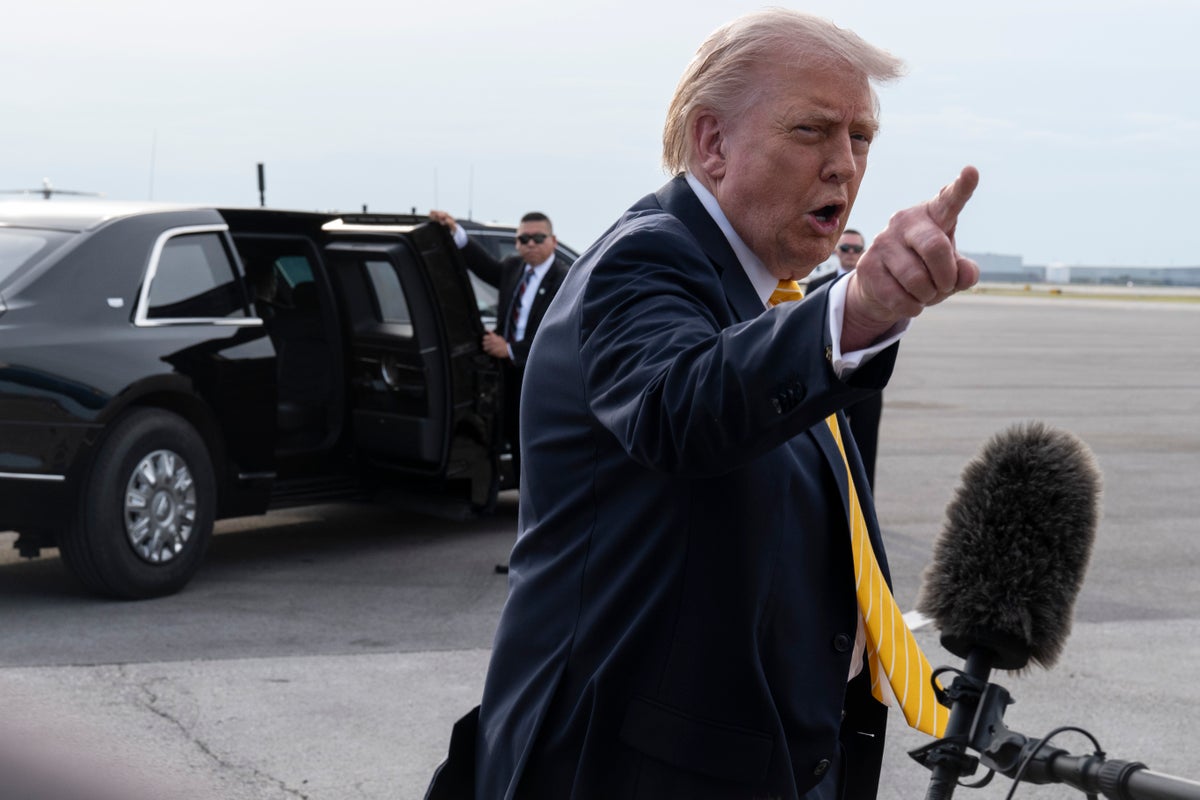
Trump’s plan isn't exactly a subtle diplomatic nudge. He’s calling it a "humanitarian gesture," but don't let the phrasing fool you. By sending the U.S. Navy to "guide" trapped vessels out of the Gulf, he’s effectively daring Iran to pull the trigger. The White House claims this is for the good of everyone, including Iran, but Tehran sees it as a blatant violation of the April 8 ceasefire.
Tehran’s response was predictably fast and sharp. Ebrahim Azizi, a top Iranian official, made it clear: any American interference in the strait’s "new maritime regime" is a breach of the peace. To them, the U.S. Navy acting as traffic cops in their backyard is an act of war. Honestly, they’ve spent the last few months trying to set up a toll system and control who gets to pass. Trump just walked in and kicked over their desk.
Why the Iranian Peace Plan Failed
You might wonder why we’re at this point if there’s a 14-point peace plan on the table. Iran offered to reopen the strait within 30 days. On paper, that sounds great. But look at the fine print. Tehran wants the U.S. to lift its counter-blockade first, pay for war damages, and—here’s the kicker—delay any talks about their nuclear program for later.
Trump isn't buying it. He’s been very vocal that he won't accept a deal that lets "lunatics" keep their nuclear ambitions on the back burner. He’s basically saying that Iran hasn't paid a "big enough price" yet. The U.S. position is simple: no nuclear guarantees, no deal. It’s a classic deadlock where both sides are waiting for the other to blink, and the global oil market is the one getting blinked at.
The Reality for Global Shipping
For the average person, this isn't just about geopolitics; it’s about why gas prices are hovering at insane levels. Brent crude has been swinging wildly, currently sitting around $107 a barrel. When Trump announced Project Freedom, prices dipped slightly because the market hopes the oil will start flowing again. But hope is a dangerous strategy in the Persian Gulf.
Shipping companies are terrified. Even with U.S. destroyers nearby, the threat of Iranian mines, drones, and "fast boats" makes insurance premiums astronomical. Most big players aren't going to risk a $200 million tanker just because of a post on Truth Social. They need to see that the guns aren't going to start firing the moment they enter the narrowest part of the strait.
What’s Actually Happening on the Water
- Over 850 merchant vessels are currently "trapped" behind the blockade.
- The U.S. is deploying guided-missile destroyers and unmanned platforms to monitor the transit.
- Iran is still demanding "tolls" from ships they consider hostile.
- Russia and China have been using the strait relatively freely thanks to side deals with Tehran.
What Happens if Iran Fires
This is the "break glass in case of emergency" scenario. If Iran attempts to stop a ship being guided by the U.S. Navy, the ceasefire is officially dead. Trump’s been direct about this: any interference will be dealt with "forcefully." We’re talking about a hair-trigger situation where a single nervous drone operator could restart a full-scale conflict.
The U.S. military presence is massive—15,000 service members and over 100 aircraft are ready to go. If things go south, the "humanitarian" mission quickly turns into a massive escort operation that looks a lot like the "Tanker War" of the 1980s, only with much deadlier technology.
If you’re tracking your investments or just worried about the price of everything, keep a close eye on the shipping trackers for the next 48 hours. The first few vessels to move under "Project Freedom" will tell us everything we need to know. If they pass through without incident, we might see a temporary cooling of tensions. If a missile flies, expect oil to hit $150 before the week is out.
Watch the maritime insurance updates and the official statements from CENTCOM. The next step for most observers is to see if any major commercial shipping lines actually take Trump up on his offer today. Most will likely wait for the "guinea pig" ships to make it through the gauntlet first.