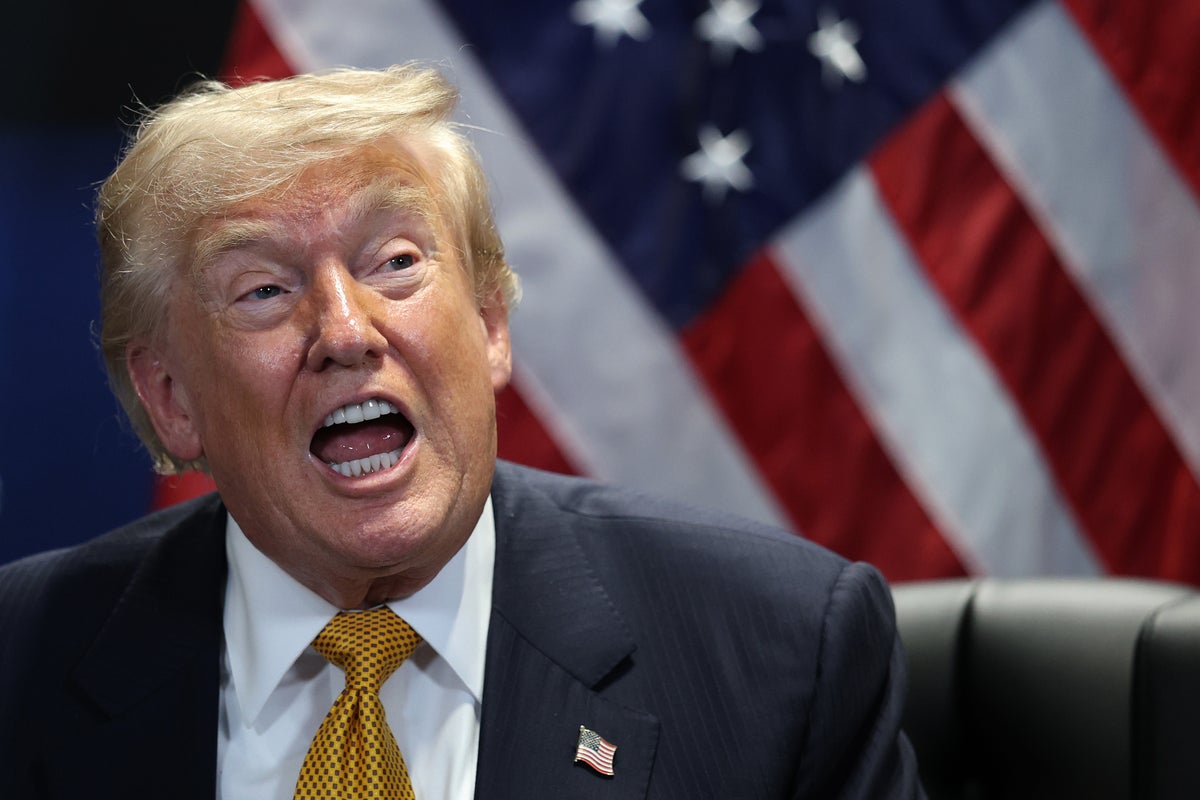
Donald Trump has a brand new nickname for New York Times reporter Maggie Haberman, and it is exactly as subtle as you would expect. Over the weekend, the president fired off an angry Truth Social rant targeting Haberman and her co-author Jonathan Swan over their new book, Regime Change: Inside the Imperial Presidency of Donald Trump. He managed to misspell Haberman's name twice, referring to her as "Maggot Hagermanerman" and a "third-rate writer".
The sudden explosion of rage was not random. It triggered right after Haberman went on a media tour and described Trump's health as a total black box.
If you want to know why a seventy-something president gets so incredibly defensive about his medical history, you have to understand how he views aging. For Trump, illness is not a human reality. It is a political vulnerability.
The Mystery Behind the Medical Records
Trump's health history has been fiercely guarded for years. Haberman pointed out that his medical records have become a specific lockbox, with less and less real information trickling out to the public since 2018. The official line from the White House is usually vague praise. They will announce that he saw dozens of specialists at Walter Reed National Military Medical Center, but they refuse to name the doctors or state what they actually checked.
This is a long-standing pattern. Think back to 2020 when Trump contracted Covid-19. The administration was famously dishonest about how sick he actually was behind closed doors. We never got a clear picture of the severity or the potential long-term side effects.
The Recent New York Times reporting also highlighted a significant drop in his public appearances, visible moments of fatigue, and a diagnosis of venous insufficiency. Trump maintains that he is completely acing every single health exam. He views any reporting on his physical slowing down as a coordinated hit piece, quickly shifting the blame or comparing his stamina to his political opponents.
Why the New Tell-All Book Stung So Bad
The book Regime Change clearly touched a nerve because it claims to have direct insight into what senior staff say when the cameras are off. Trump claimed the book is mostly made-up fiction and fake news. He specifically pushed back on the idea that the authors possess audio recordings of high-level Situation Room meetings involving Vice President J.D. Vance, White House Chief of Staff Susie Wiles, and acting attorney general Todd Blanche.
The paranoia over leaks is real. The Trump administration recently escalated its battle with the press by issuing Justice Department subpoenas to several New York Times journalists over a completely separate national security report regarding Air Force One. When a presidency operates like a fortress, any reporter who manages to crack the outer wall becomes an immediate target for public execution via social media.
The Psychology of the Rant
Trump’s reliance on juvenile name-calling is an old playbook, but the desperation in these specific late-night posts shows where he feels most exposed. He cannot tolerate the perception of physical weakness. His closest advisers know this and actively protect that image.
When journalists push past the talking points and reveal that aides are privately noticing age-related changes, the defensive wall goes up instantly. You can expect the name-calling and the press crackdowns to intensify as the scrutiny on his physical fitness grows. Pay attention to the specific topics that trigger these outbursts. The louder the denial, the closer the reporters are getting to the truth.