Donald Trump doesn’t do subtle. His latest barrage of claims regarding Iran makes that clear. He’s doubling down on a familiar mantra: "Iran can never have a nuclear weapon." But this time, the rhetoric has teeth that weren't there in his first term. We aren't just talking about sanctions and mean tweets anymore. We're looking at a president who’s openly cheering for regime change and dismissing Iranian domestic politics as a total sham.
The logic is simple. Trump believes the current leadership in Tehran is incapable of honest negotiation. By slamming their recent polls as "rigged," he’s effectively de-legitimizing any official he might sit across from at a table. It’s a classic Trump move. If you don't like the game, tell everyone the deck is stacked.
The end of the nuclear dream
For years, the world watched a "cat and mouse" game over centrifuges and enrichment levels. That era's over. Trump’s current stance isn't about containing a program; it's about dismantling it entirely. He’s told advisers that stopping Iran from getting the bomb would be his ultimate legacy. He’s not looking for a "JCPOA 2.0" or some watered-down inspection regime.
The strategy is "Maximum Pressure" on steroids. By insisting that Iran can never possess nuclear capability, he’s setting a bar that likely can’t be met through diplomacy alone. We’ve seen this play out in the recent military strikes alongside Israel. The goal wasn't just to send a message. It was to break the infrastructure. When Trump says "never," he’s backed by a 40-day campaign that saw thousands of targets neutralized.
Why he’s calling for regime change now
Regime change used to be the "quiet part" of U.S. foreign policy. Trump’s saying it out loud. He’s betting that the Iranian people are tired of the economic misery and the crackdowns. Early 2026 saw some of the most intense protests in Iran’s history. Trump sees those protesters not just as victims, but as his greatest allies.
He’s betting on a collapse from within. By calling the Iranian elections "rigged," he’s fueling the fire of domestic dissent. It’s a gamble. History shows that external pressure often makes a population rally around their flag, even if they hate their leaders. But Trump thinks this time is different because the regime is at its weakest point in decades.
- Weakened proxies: Hezbollah and Hamas are battered.
- Infrastructure in ruins: Recent strikes hit the heart of their military tech.
- Economic freefall: Inflation in Iran is making daily life impossible for most.
The "rigged" polls narrative
Why focus on the polls? Because it’s the easiest way to ignore the Iranian government’s "mandate." If the elections are fake, then the leaders have no right to speak for the people. This gives the U.S. a moral high ground—at least in Trump’s view—to act unilaterally.
It’s also a mirror of his own domestic rhetoric. Trump has long used the "rigged" label to describe systems he finds unfair or corrupt. Applying it to Iran is a natural extension of his brand. It simplifies a complex geopolitical struggle into a story of good people vs. a corrupt, unelected elite.
Realities on the ground
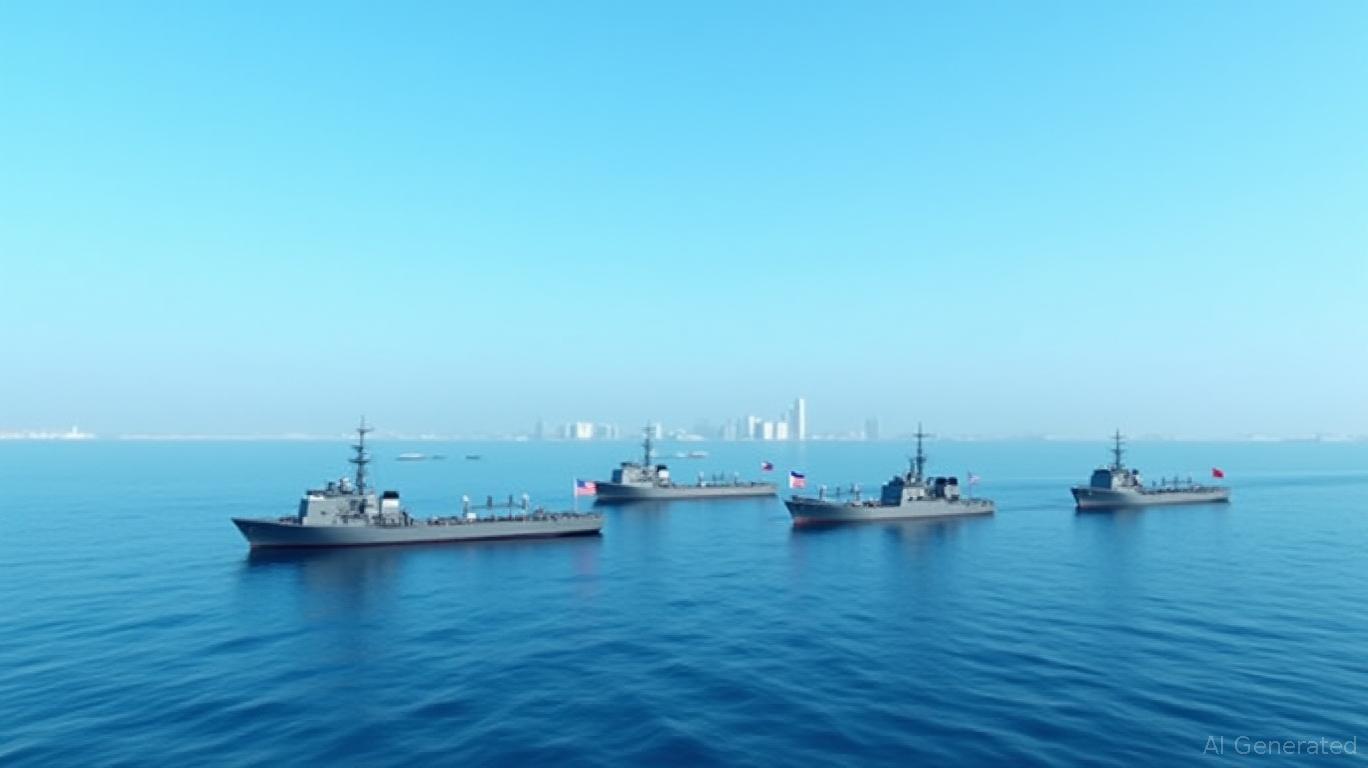
Don't be fooled by the tough talk; this is a high-stakes mess. Oil prices are jittery. The Strait of Hormuz remains a massive chokepoint that could wreck the global economy in an afternoon. Trump knows this. He’s playing a game of chicken with the global energy supply.
His critics say he’s reckless. His supporters say he’s the only one with the "stones" to actually finish the job. Honestly, both can be true. The risk of a broader war is real, especially with the April 6 deadline for reopening the Strait looming. If Tehran doesn't blink, the next round of strikes will likely target energy sites, which would send gas prices into the stratosphere.
What happens next
Trump isn't waiting for a polite invitation to talk. He’s waiting for a surrender. If you're following this, watch for these three things:
- The Strait of Hormuz status: If it stays closed, expect the U.S. to ramp up "defensive" naval operations that look a lot like a blockade.
- Domestic protests in Tehran: If the Iranian street rises up again, Trump will likely provide more than just vocal support.
- Nuclear material "safekeeping": Trump’s floated the idea of the U.S. physically taking control of Iranian nuclear material. That’s a massive escalation that would rewrite international law.
The playbook is written. Trump wants the regime out, the nukes gone, and he's not particularly worried about the "proper" way to get there. Whether this brings peace or a decade of chaos is the multi-trillion dollar question.
Keep an eye on the official White House briefings over the next 48 hours. The ceasefire is expiring, and the "off-ramp" is getting narrower by the minute. If no deal is reached, the "Maximum Pressure" campaign will move into a phase we haven't seen before.