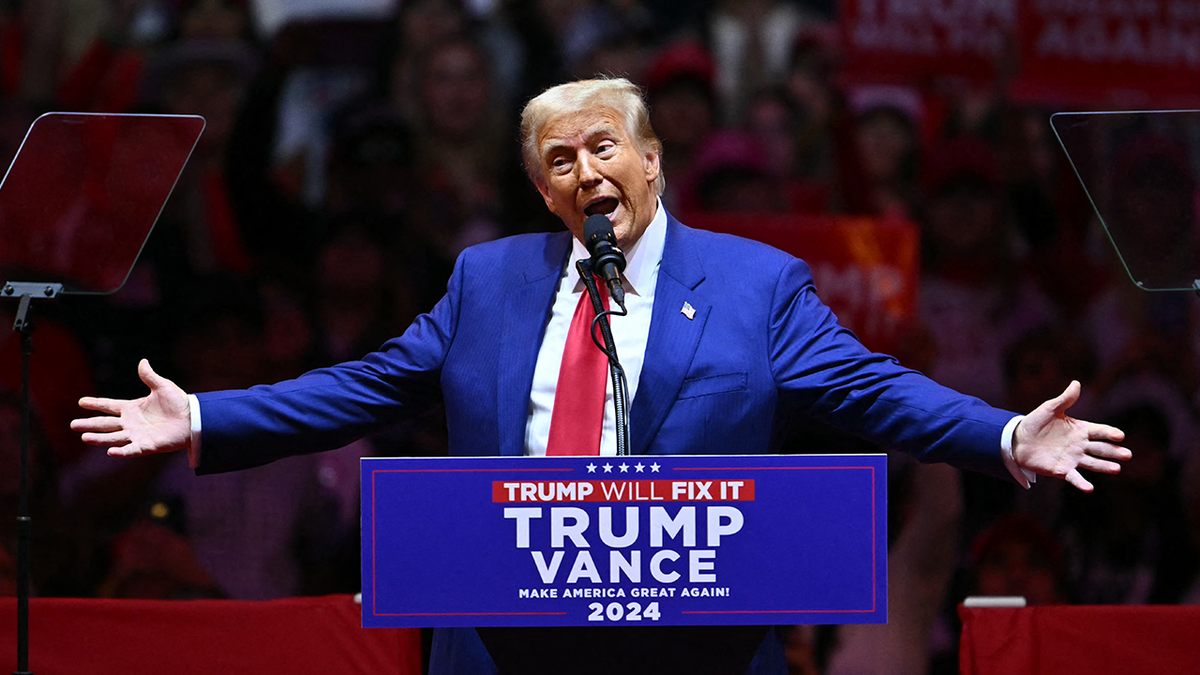
The clock just hit the red zone. If you’ve been following the headlines, you know that U.S. President Donald Trump set a hard deadline for 8 p.m. Eastern Time tonight, April 8, 2026. This isn't just another round of Twitter-fueled chest-thumping. We’re looking at a 15-point ultimatum that demands nothing less than the total dismantling of Iran’s nuclear infrastructure and an immediate reopening of the Strait of Hormuz.
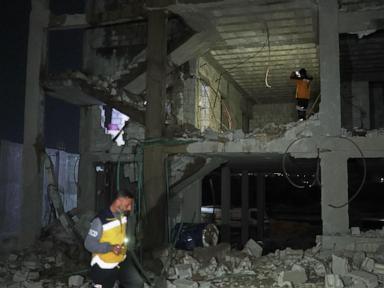
The White House isn't blinking. Trump’s recent warning that "a whole civilization will die tonight" sounds like hyperbole, but in the context of the last six weeks of "Operation Epic Fury," the stakes are horrifyingly real. We’ve already seen the heart of the Iranian leadership targeted, including the assassination of Supreme Leader Ali Khamenei in late February. Now, the U.S. is threatening to wipe out Iran’s entire civilian energy grid and Kharg Island—the lifeblood of their remaining oil exports—if Tehran doesn't cave by sunset.
The Chokepoint That Could Break the Global Economy
Let’s talk about why you should care even if you're thousands of miles away from the Persian Gulf. The Strait of Hormuz is currently a ghost town. Iran effectively shuttered the waterway in early March, and the results have been catastrophic.
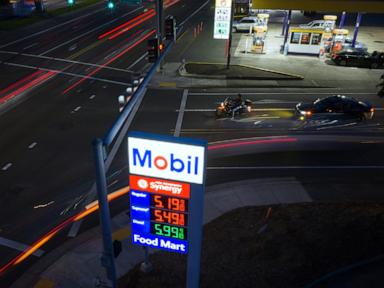
I’ve looked at the data from the International Energy Agency, and they’re calling this the largest supply disruption in history. We aren't just talking about a few cents at the pump. Brent Crude has already screamed past $120 per barrel. If the ultimatum expires without a deal, analysts expect that number to look "cheap" by tomorrow.
- Supply Drop: Saudi Arabia, Kuwait, and the UAE have seen their collective output drop by over 10 million barrels per day because they simply can't move the product.
- Force Majeure: QatarEnergy has already pulled the plug on all exports. If you’re in Europe or Asia, your natural gas prices have likely doubled in the last month.
- The "Yuan" Factor: Here’s something the mainstream news is largely missing. Beijing is using this chaos to push yuan-denominated energy trades. They aren't just watching the war; they’re trying to kill the Petro-dollar while the West is distracted by the fighting.
What Iran is Actually Thinking
Tehran isn't just sitting there waiting to be hit. They’ve spent decades preparing for a war of attrition. The Islamic Revolutionary Guard Corps (IRGC) has made it clear: if the U.S. crosses the "red line" tonight, the retaliation won't stay in the Middle East.
They’re threatening to hit U.S. partner infrastructure across the region so hard that "the world will be deprived of oil and gas for years." This isn't just talk. We’ve already seen strikes on Bahraini facilities and Qatar’s Ras Laffan complex. Iran’s strategy is simple: if we can’t sell our energy, nobody can.
There’s also a massive internal human cost. Iranians are currently forming human chains around power plants and bridges. They know that if the U.S. follows through on the threat to hit civilian infrastructure, the lights go out for 85 million people. The "negotiations" happening right now in Islamabad via Pakistani mediators are basically a Hail Mary. Iran is offering to let American companies invest in their mines and oil fields in exchange for a permanent ceasefire, but Trump has already labeled their previous offers "not good enough."
Why This Ultimatum is a Trap for Both Sides
You might think the U.S. has all the leverage because of its military dominance, but that’s a dangerous oversimplification. By issuing such a "maximalist" ultimatum—demanding total surrender of nuclear tech—the Trump administration has left itself very little room to maneuver.
If Iran says no, Trump either has to launch a strike that could ignite a global depression or back down and look weak. On the flip side, the Iranian regime feels it’s fighting for its very existence. When a government thinks it has nothing left to lose, it stops acting rationally.
The current 14-day truce proposal is a flickering candle in a hurricane. While diplomats talk in Islamabad, the U.S. military is reportedly already moving into position for "Phase 2" of Epic Fury. We’re seeing a massive buildup of carrier strike groups and tens of thousands of troops.
The Next 24 Hours
If you have investments in energy, transportation, or even tech (due to the potential for Iranian cyber retaliation), keep your eyes glued to the news at 8 p.m. ET. The White House has clarified they aren't looking at "nuclear options," but a total strike on Iran’s energy grid would be enough to reset the global economy.
Don't wait for the official announcement to prepare for volatility. The market usually reacts to the "leak" ten minutes before the actual speech. If the ultimatum expires with a "no" from Tehran, expect an immediate and violent spike in energy futures and a massive flight to gold and the dollar. This isn't just a regional spat anymore. It’s a collision of two worldviews that have finally run out of road.
Watch the headlines for any news out of Islamabad or the Swiss embassy in Tehran. Those are the only two places where a de-escalation can actually happen. If those channels stay silent past the 8 p.m. deadline, the map of the Middle East—and the price of your daily life—is about to change forever.