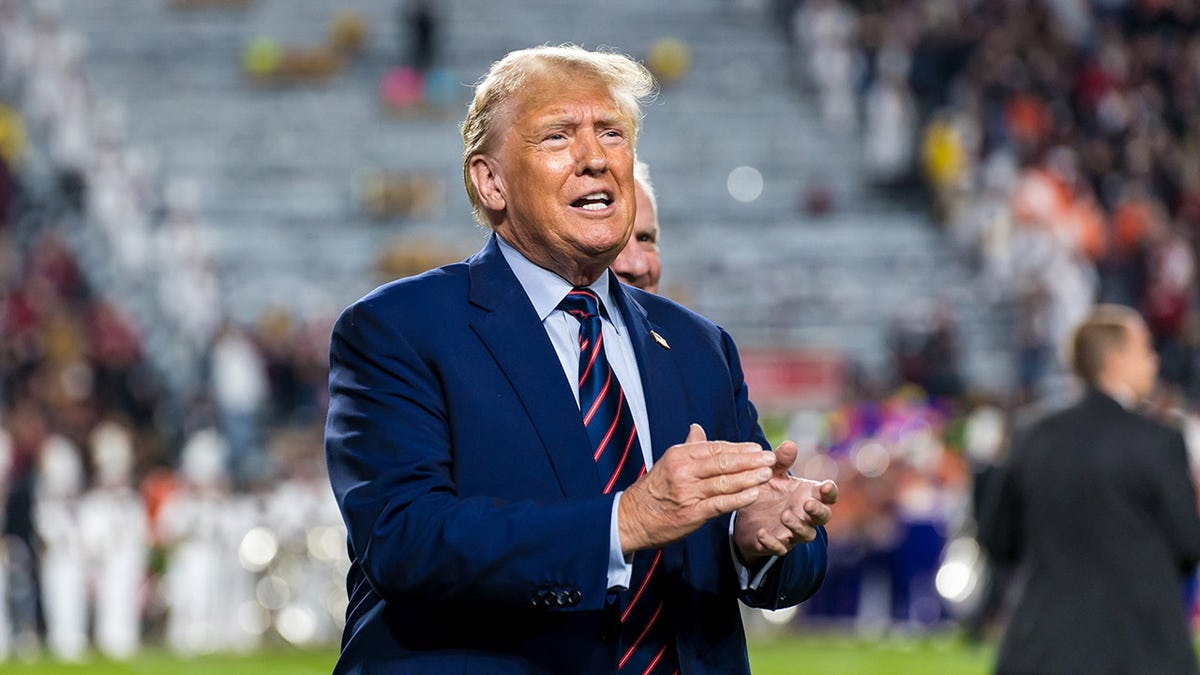
Donald Trump just threw a massive wrench into the fragile peace in the Middle East. On Sunday night, he took to Truth Social to announce "Project Freedom," a plan to "guide" hundreds of stranded commercial ships out of the Strait of Hormuz. Iran’s response was immediate and predictably violent: stay out or get hit. If you’ve been following the global energy crisis since the US-Israeli strikes in February, you know this isn't just about shipping lanes. It’s a high-stakes game of chicken with 20% of the world’s oil supply on the line.
The situation in the Gulf is a mess. For over two months, nearly 1,000 ships and 20,000 seafarers have been trapped in a "dual blockade." Iran holds the keys to the Strait, while the US Navy blocks Iranian ports. Trump’s move to unilaterally "guide" these ships out is framed as a humanitarian gesture, but Tehran sees it as a blatant violation of the April 7 ceasefire. Honestly, they aren't entirely wrong from a tactical perspective. When you move guided-missile destroyers and 15,000 service members into a space as tight as the Hormuz, you aren't just "guiding" traffic—you're asserting dominance.
The Reality of Project Freedom
Trump’s plan involves a massive deployment. We’re talking about 100 aircraft, unmanned platforms, and a heavy naval presence. The goal? To help neutral vessels that are literally running out of food and water while anchored in a war zone. But here’s what most people are missing: the Strait of Hormuz is only about 21 miles wide at its narrowest point. The shipping lanes themselves are even tighter. There’s no room for "oops" moments.
Iran’s military command, led by Major General Ali Abdollahi, didn't mince words. They warned that any "aggressive U.S. army" presence in the Strait will be attacked. They even told commercial tankers to stop moving entirely unless they coordinate directly with Tehran. This puts ship captains in an impossible spot. Do you follow the US Navy’s "guidance" and risk an Iranian missile, or do you stay put and starve?
Why the Ceasefire is Crumbling
The April ceasefire was always a band-aid on a bullet wound. It was supposed to lead to the reopening of the Strait, but the US kept its blockade on Iranian ports. Iran responded by keeping the Strait shut to everyone but their allies. It’s a cycle of "you move first" that has led nowhere.
- The Nuclear Standoff: Trump wants to eliminate Iran’s missile production. Iran wants their frozen assets back and the blockade lifted.
- The Toll of the Blockade: Global fuel prices are screaming. We're weeks away from a "tipping point" that could send oil prices into a stratosphere we haven't seen in decades.
- The Shadow War: Just hours after Trump’s announcement, reports surfaced of a tanker being hit by projectiles north of Fujairah. Iran claimed they hit a US warship; CENTCOM denied it. Whether it's true or not, the "fog of war" is thick enough to choke on.
What This Means for Your Wallet
If Project Freedom leads to a direct kinetic exchange, don't expect gas prices to stay where they are. The Strait of Hormuz is the world's most important oil artery. In 2024, over 80% of the crude passing through here went to Asia, especially China. If the shooting starts again, those ships don't move, and the global economy takes a massive hit.
Trump is betting that Iran won't actually fire the first shot against a massive US fleet. It’s a classic "madman theory" play. He’s daring them to interfere with a humanitarian mission. But Iran’s new leadership, under Mojtaba Khamenei, is under intense pressure to show they won't be bullied after the assassination of the previous Supreme Leader in February.
The Next 48 Hours
Watch the ship-tracking data. If we see tankers actually starting to move under US protection, we’ll know if Iran’s threat was a bluff. If we see more "unknown projectiles" hitting tankers, the ceasefire is effectively dead.
If you're an investor or just someone worried about the price of literally everything, pay attention to the rhetoric coming out of Tehran today. They've demanded a 14-point peace proposal that includes the US leaving the region entirely. Trump has already signaled he’s going to reject it because they haven't "paid a big enough price."
The immediate next step for the international community is a desperate push for a UN resolution, but with Russia and China already vetoing previous attempts, don't hold your breath. For now, the most tactical move for shipping companies is to keep their crews safe and their engines off. Taking the "freedom" Trump is offering might just be a one-way ticket into a missile strike. Stay tuned to the maritime alerts from the UKMTO; they're the only ones giving the unvarnished truth right now.