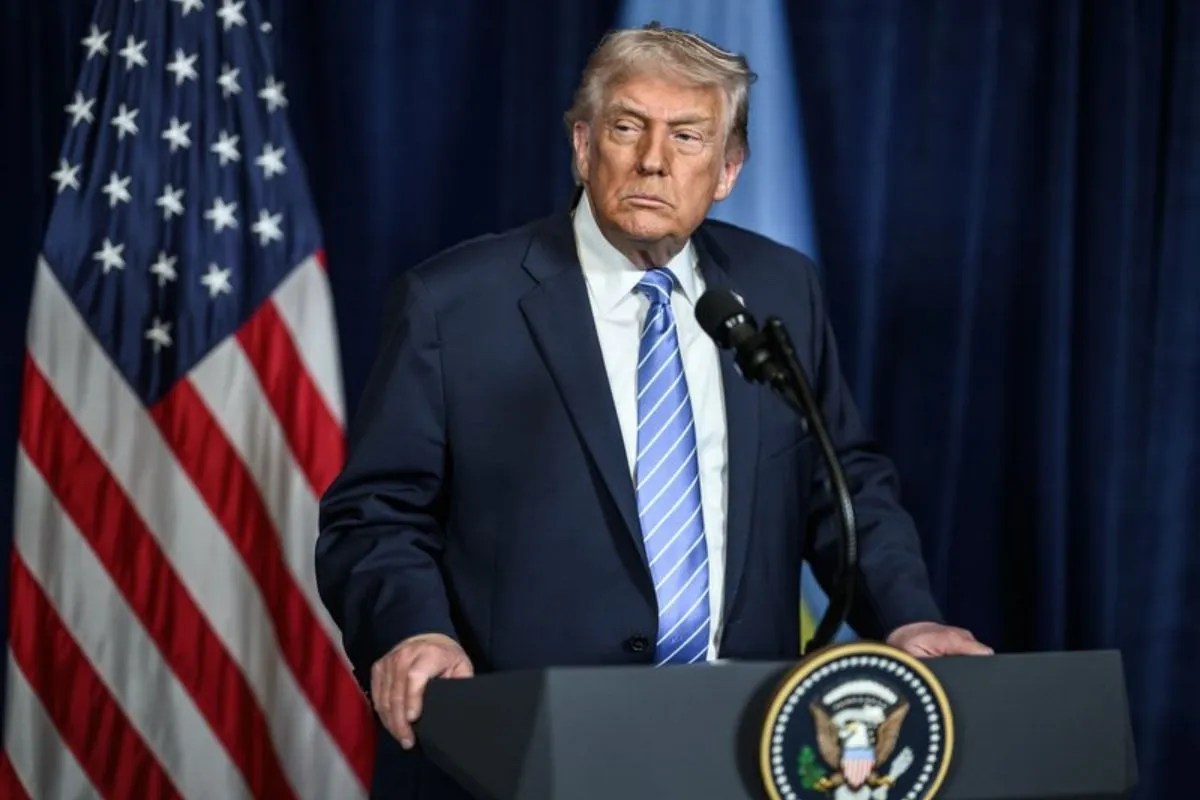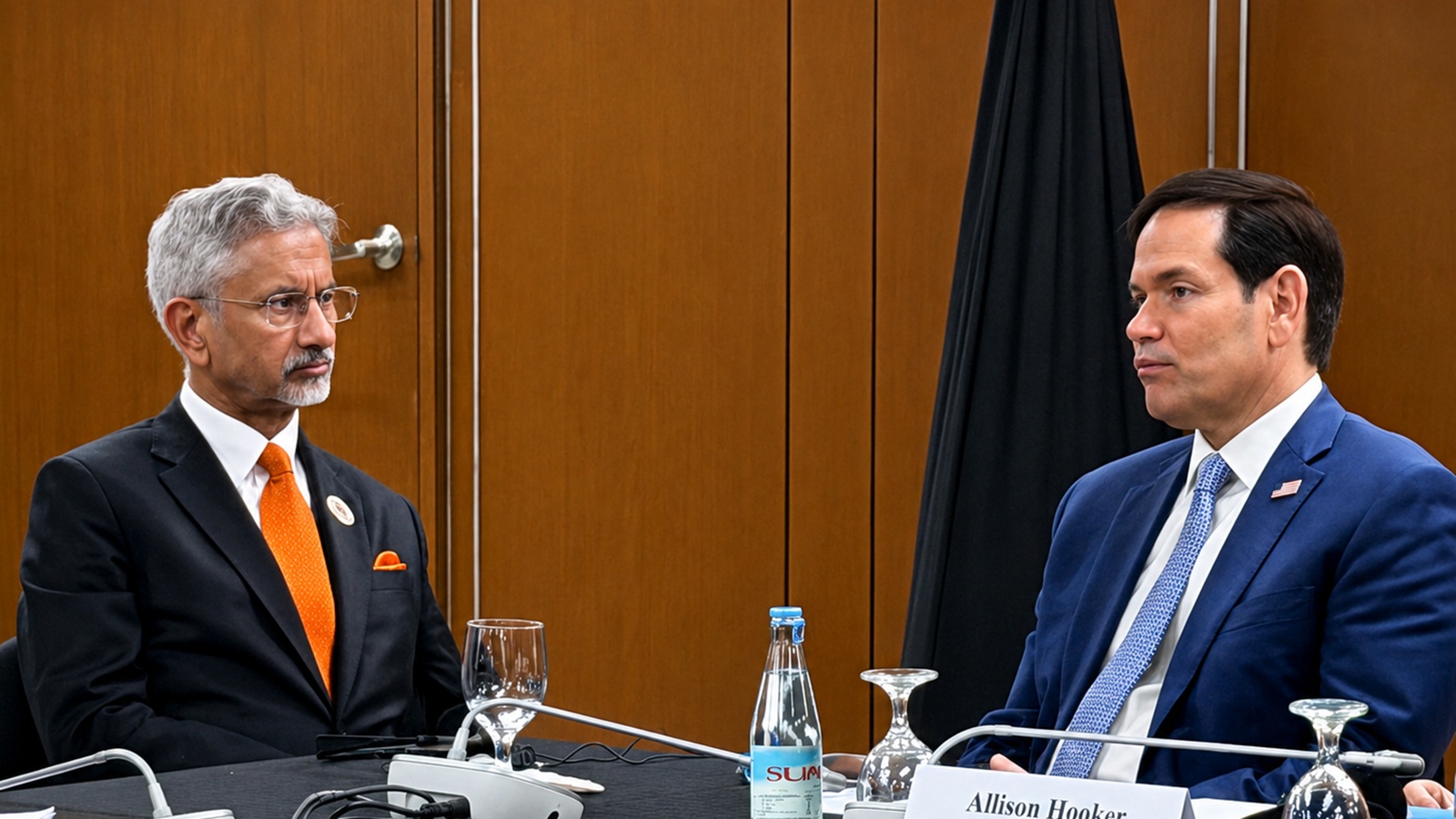
When US Secretary of State Marco Rubio met with Indian External Affairs Minister S. Jaishankar in Manila, reporters naturally wanted to know how India reacted to Donald Trump’s latest trade bombshell: a phased tariff regime reaching up to 200% on imported generic drugs. Rubio noted that while India didn't explicitly push the issue during their brief meeting, he "would expect them to be concerned about it."
That's a massive understatement.
The policy promises a two-year tax-free grace period starting August 1, 2026, followed by a 100% duty in 2028 and a crushing 200% tariff by August 2029. The goal? Force foreign pharmaceutical giants to build plants on US soil or face total market lockout.
It sounds like a straightforward "America First" reshoring victory on paper. But in reality, it ignores basic supply chain economics, regulatory timelines, and the fragile state of American healthcare costs.
The Real Math Behind India’s Generic Medicine Dominance
To get why this move is sending shockwaves through the global pharmaceutical landscape, you have to look at how deep the integration goes. India isn't just a minor supplier; it’s literally the world’s pharmacy.
Indian drugmakers supply roughly 47% of all generic prescriptions dispensed across the United States. That includes everyday lifesavers like hypertension medications, antibiotics, and basic cholesterol treatments.
- $9.7 Billion: Total value of Indian pharma exports shipped directly to the US in 2025 alone.
- 38%: The fraction of India's global pharmaceutical export volume bound for American shores.
- 13%: The tiny share of total US drug spending that generic medicines represent, despite making up nearly 90% of all physical prescriptions written.
Indian companies like Sun Pharma, Dr. Reddy’s Laboratories, Cipla, and Lupin generate anywhere from 35% to 50% of their total revenues from the American market. They aren't going to vanish overnight, but the assumption that they can simply shift production to Ohio or Texas in 24 months is pure fantasy.
Why Two Years Isn't Long Enough to Reshore Manufacturing
Rebuilding a chemical manufacturing plant isn't like opening a fulfillment center. You don't just lease a warehouse, set up conveyor belts, and start pumping out pills.
Transferring a single Abbreviated New Drug Application (ANDA) to a brand-new facility requires:
- Land acquisition, construction, and specialized air filtration systems.
- Complex technology transfers and process validations.
- Extensive stability testing over months or years.
- Comprehensive US FDA inspections and regulatory approvals.
Erez Israeli, CEO of Dr. Reddy’s Laboratories, didn't mince words on a recent earnings call. He made it clear that the company has no immediate plans to build US factories, pointing out that shifting operations on such short notice is flat-out impractical.
If companies try to rush product transfers, the regulatory backlog alone will take 12 to 15 months minimum after construction finishes. A two-year grace period gives companies zero realistic runway to complete these transfers at scale.
Who Actually Pays the Bill for a 200 Percent Tariff?
Here's the harsh truth: foreign manufacturers won't absorb a 200% tax on razor-thin commodity generics. They can't. Margins on low-cost generic drugs are already notoriously slim—often just a few cents per pill.
If tariffs take effect, drug manufacturers face two options: pass the cost on to American consumers or pull out of the market altogether.
When tariffs hit, EBITDA margins for US-focused generic companies could drop by 300 to 600 basis points. Rather than running at a loss, manufacturers will simply discontinue low-margin products. We’re already seeing chronic drug shortages in US hospitals for basic sterile injectables and cancer treatments. Punitive duties will only worsen those gaps, leaving patients stranded or forcing them to pay astronomical out-of-pocket prices.
Even with tariffs applied, producing a generic pill in the US can cost 40% to 60% more than manufacturing it in India due to labor, environmental compliance, and raw material costs. The tariff might level the nominal price gap, but it won't make domestic manufacturing magically cheaper—it just makes medicine more expensive overall.
Geopolitics and the Leverage Game
So why roll out a policy that carries such obvious economic risks? Because it’s primarily designed as a high-stakes negotiating lever.
By pushing the hard deadlines out to 2028 and 2029, the policy creates immediate panic for foreign executives while buying years of geopolitical leverage for Washington. India and the US are currently navigating delicate bilateral trade discussions, balancing energy deals, defense agreements, and critical mineral supply chains.
Trade groups like the Indian Pharmaceutical Alliance (IPA) are already pushing for formal discussions, emphasizing India's long track record as a dependable partner. Meanwhile, analysts like Tushar Manudhane at Motilal Oswal suggest the actual long-term financial hit on Indian firms might end up being limited once transfer-pricing structures, US-based packaging subsidiaries, and policy exemptions are factored in.
What Supply Chain Leaders Should Do Next
If you're managing pharmaceutical procurement or tracking healthcare supply chains, sitting back and waiting for 2028 is a recipe for disaster. Take these concrete steps now:
- Audit portfolio exposure: Identify every key product in your pipeline that relies on single-source active pharmaceutical ingredients (APIs) or finished doses imported from abroad.
- Shift toward high-margin complex generics: Indian drugmakers are already pivoting away from simple commodity pills toward biosimilars, injectable oncology products, and complex formulations where margins can survive shifting trade rules.
- Establish dual-sourcing pathways: Begin preliminary tech transfers for vital products into secondary facilities located in tariff-exempt regions or existing US contract development and manufacturing organizations (CDMOs).