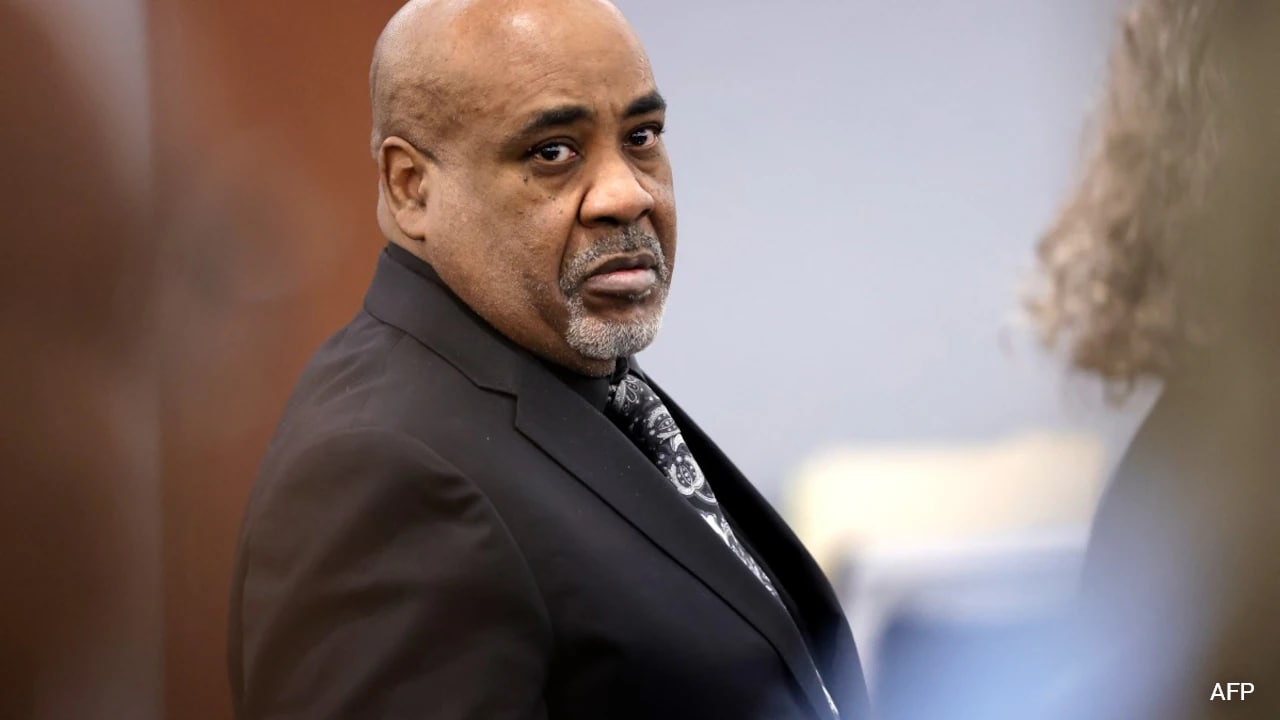
A Las Vegas jury convicted 63-year-old Duane “Keffe D” Davis of first-degree murder with a deadly weapon for his role in the 1996 drive-by shooting of Tupac Shakur. Nearly thirty years after bullets tore through a white Cadillac near the Las Vegas Strip, the case concluded not through a breakthrough in forensic science or a change in institutional courage, but because a aging gang figure traded his silence for book royalties and documentary camera time.
For decades, the murder of hip-hop's most luminous icon remained an open wound wrapped in institutional apathy. Detectives knew who was in the car. The street code was an open secret. Yet, the case languished because street code and police inertia formed a permanent stalemate. You might also find this similar coverage insightful: Inside the D4vd Murder Trial Financial Collapse and Public Defender Shift.
Then Davis wrote a memoir and spoke extensively to anyone with a microphone.
The Price of Celebrity Confessions
Prosecutors built their entire roadmap around Davis's own mouth. During the trial, the state played hours of recorded interviews and highlighted passages from his 2019 book, Compton Street Legend. In those pages and tapes, Davis admitted to orchestrating the retaliation after Shakur’s entourage clashed with his nephew, Orlando Anderson, in the lobby of the MGM Grand earlier that night. As reported in detailed reports by E! News, the results are widespread.
He handed investigators the motive, the mechanism, and his own physical presence at the scene on a silver platter. Defense attorneys argued that these statements were mere posturing, tall tales spun by an aging hustler desperate to monetize public fascination with an unsolved tragedy. The jury did not buy it. They listened to Davis describe orchestrating a murder scheme over a casino brawl, and they treated those words as a confession.
Vanity proved to be a more effective detective than the entire Las Vegas Metropolitan Police Department.
Anatomy of a Stalled Investigation
Why did it take three decades to reach this courtroom? The answer lies in the structural failures of urban policing in the late nineties. Law enforcement treated the murder of a Black artist through a lens of dismissive containment. Gang violence was treated as a self-correcting problem rather than a homicide requiring rigorous investigation.
Witnesses clammed up. Members of Shakur’s entourage, protective of their own movements and codes, refused to cooperate with detectives. Physical evidence was sparse, mishandled, or non-existent. Without Davis's public admissions, the district attorney's office would have remained legally starved of the threshold needed to secure an indictment.
Lead prosecutor Marc DiGiacomo made this explicit during proceedings, noting that without the book, Davis would likely have walked free forever.
The Legal Reality of Accomplice Liability
The trial offered a stark masterclass in the application of Nevada's conspiracy and accomplice laws. Davis did not pull the trigger. According to the historical record and witness accounts, Orlando Anderson fired the fatal shots—though Anderson himself was killed in an unrelated Compton shootout two years later.
Under Nevada statute, a person who aids, abets, or organizes a crime is just as culpable as the principal actor. Prosecutors successfully argued that providing the .40-caliber Glock, orchestrating the U-turn, and directing the vehicle into position constituted premeditated murder.
The legal strategy bypassed the physical impossibility of prosecuting the actual shooter by holding the architect accountable. It is a rare instance where the mastermind outlived his protection of anonymity, choosing the temporary warmth of notoriety over self-preservation.
As the court schedules sentencing, the hip-hop community confronts a strange closure. The man who ordered the tracking of a cultural titan will spend his remaining years behind bars, undone not by police work, but by his own desire to see his name on a cover.