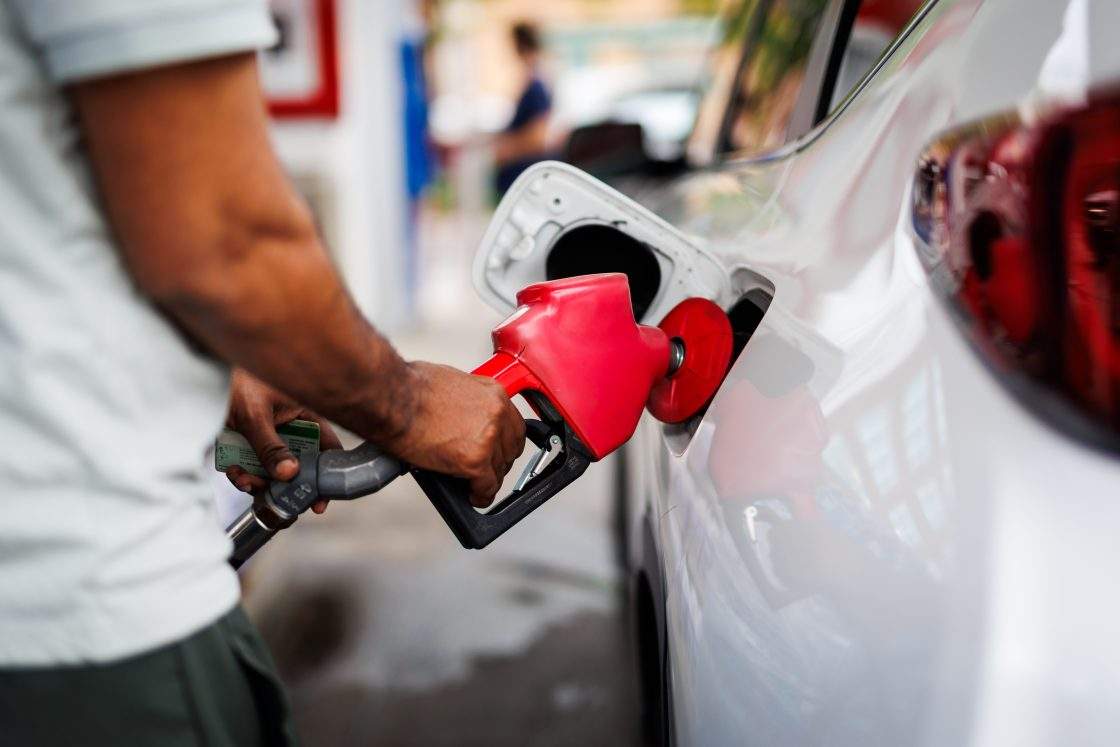
The blunt answer is no. Regardless of which party captures control of Congress in the midterm elections, American voters will not see meaningful, lasting relief at the gas pump anytime soon. Crude oil is priced on a global commodity market dictated by international supply chains, refining bottlenecks, and foreign cartels, not by the shifting partisan balance on Capitol Hill. While politicians routinely campaign on promises to unleash domestic drilling or tax corporate windfalls, the actual mechanics of energy economics move on multi-year timelines that ignore the two-year election cycle entirely.
Every two years, the political theater plays out the exact same way. Campaign ads flash footage of soaring digital numbers on gas station signs while candidates point fingers across the aisle. One side blames regulatory red tape and canceled pipeline permits. The other blames corporate greed and price gouging at the executive level. Both narratives make for compelling thirty-second television spots, and both fundamentally misrepresent how a barrel of crude oil becomes a gallon of unleaded gasoline.
If you want to understand why your fuel bill remains stubbornly high after the ballots are counted, you have to stop listening to press secretaries in Washington and start looking at boardrooms in Houston, shipping lanes in the Persian Gulf, and aging refineries along the Gulf Coast.
The Illusion of Congressional Control Over Crude
Crude oil does not care who chairs the Senate Energy and Natural Resources Committee. Unlike local utilities or municipal water supplies, oil is fungible and traded on an interconnected global exchange. A barrel of West Texas Intermediate crude pumped out of the Permian Basin is priced against Brent crude extracted from the North Sea. When a disruption occurs in the Middle East, or when demand surges in Asia, prices adjust globally within milliseconds.
Congress possesses no legislative lever capable of decoupling the United States from this global pricing mechanism. Even if lawmakers passed a sweeping mandate tomorrow to open every acre of federal land and offshore water to immediate exploration, the market reaction would be negligible. Energy companies do not drill simply because a politician hands them a permit. They drill when the capital markets reward them for doing so, and when long-term price forecasts justify the massive upfront expenditure.
Furthermore, a newly divided Congress—the most common outcome of a midterm cycle—virtually guarantees legislative gridlock. When the White House and one or both chambers of Congress are held by opposing parties, sweeping energy reform dies in committee. Bills passed by the House to mandate lease sales will stall in the Senate, or face an immediate presidential veto. Proposals from the executive branch to impose windfall profit taxes or restrict exports will hit a brick wall in the lower chamber. Voters are left with endless congressional hearings where oil executives are grilled under bright lights, producing plenty of soundbites and zero extra barrels of supply.
Wall Street Holds the Real Leash on American Drillers
For decades, the playbook for American independent oil producers was simple. Whenever crude prices rose, companies borrowed heavily, leased every available patch of shale, and drilled as fast as humanly possible. That boom-and-bust cycle flooded the market, crashed prices, and wiped out billions of dollars in investor equity.
Those days are dead.
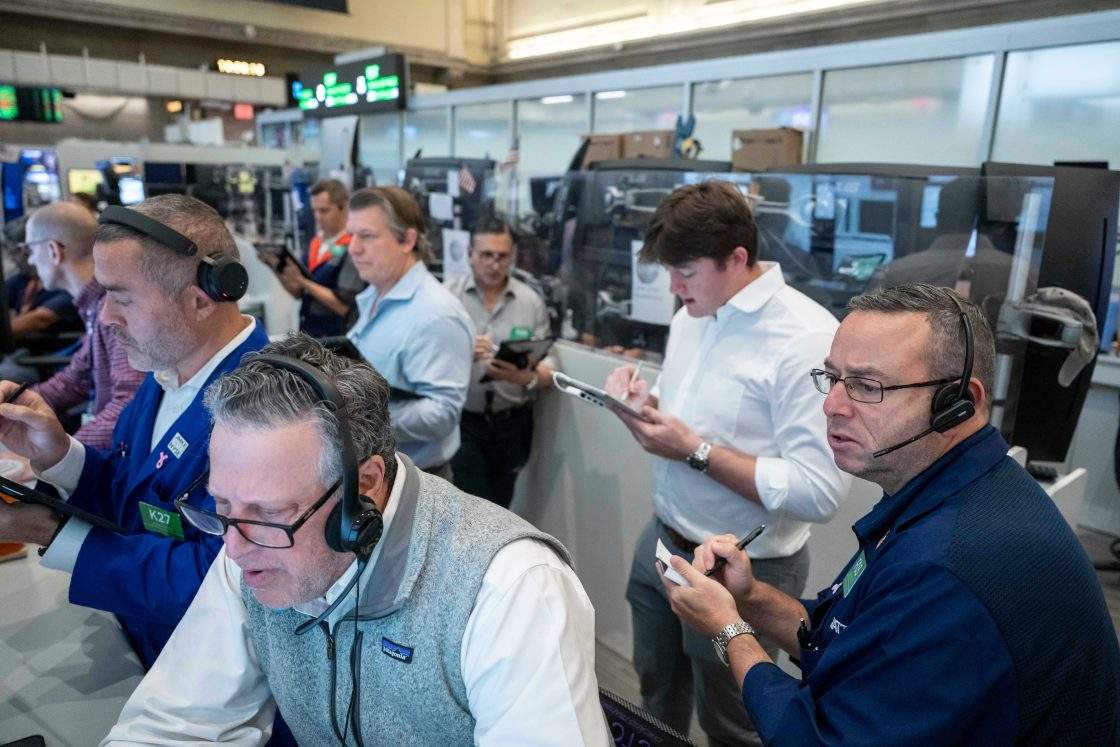
Today, the executives running major shale operations in Texas, New Mexico, and North Dakota answer to institutional investors on Wall Street, not politicians in Washington. Following years of dismal returns, shareholders demanded a radical shift in corporate strategy known as capital discipline. Instead of plowing every dollar of profit back into new rigs to chase production growth, oil companies now prioritize dividends, share buybacks, and debt reduction.
Consider a hypothetical scenario involving a mid-sized Permian Basin operator. Suppose crude prices jump by twenty dollars a barrel following a midterm election, and Congress simultaneously slashes federal permitting fees. Under the old model, that company would immediately contract five new drilling rigs. Under the current Wall Street mandate, the chief financial officer takes that extra cash flow and hands it directly to shareholders, keeping production growth flat at around two to three percent annually.
The rigs are not going back into the dirt at historical rates because the financial incentives have permanently changed. Supply chain constraints—ranging from shortages of specialized frac sand and steel tubulars to a chronic lack of experienced field crews—further cap how fast domestic output can physically expand. A change in House leadership cannot manufacture high-grade steel pipe out of thin air, nor can it train a roughneck overnight.
The Refining Bottleneck Nobody Mentions
Even if the United States magically added two million barrels of crude oil to its daily output next month, drivers would still face painful prices at the pump. The dirty secret of the American energy sector is that our domestic problem is not a shortage of crude oil. It is a severe shortage of refining capacity.
Crude oil is useless to your car until it is cooked, cracked, and chemically altered in a massive industrial refinery. Over the past several years, the United States has permanently lost over a million barrels per day of refining capacity. Several older, less efficient facilities shut down during the pandemic demand collapse and were either demolished or converted into biofuel plants.
Nobody is building a new, large-scale conventional oil refinery in the United States. The last major greenfield refinery constructed from scratch in this country dates back to the 1970s. Building one today would cost upwards of ten billion dollars, take nearly a decade to permit and construct, and face relentless environmental litigation. For energy executives looking at long-term decarbonization trends and government mandates pushing electric vehicles, sinking ten billion dollars into an asset that needs thirty years to pay itself off is financial suicide.
Because the remaining U.S. refineries are already running near their absolute maximum utilization rates—often exceeding ninety-two to ninety-five percent capacity—there is zero buffer in the system. When a hurricane threatens the Gulf Coast, or when a single major refinery experiences an unplanned mechanical outage, gasoline and diesel supplies tighten instantly. The crack spread, which measures the profit margin refiners make by turning crude oil into finished fuel, skyrockets. Congress cannot legislate new refining capacity into existence, and no midterm victory will alter the harsh math of multi-decade capital depreciation.
OPEC Plus and the Geopolitical Chessboard
While American voters debate domestic tax policy and federal land leases, a small group of energy ministers meeting in Vienna holds far more sway over the price of a gallon of regular unleaded. OPEC Plus, the cartel combining the Organization of the Petroleum Exporting Countries with Russia and several other non-OPEC producers, actively manages global supply to defend a price floor that funds their national budgets.
Unlike publicly traded Western oil companies that are bound by antitrust laws and shareholder demands, state-owned national oil companies operate as direct extensions of sovereign foreign policy. When global demand shows signs of softening, OPEC Plus simply meets and agrees to cut production by one or two million barrels per day. They do not need congressional approval, environmental impact statements, or investor sign-offs to turn the valves down.
Geopolitical instability adds another layer of risk that Washington cannot easily neutralize. Sanctions regimes, regional conflicts in Eastern Europe and the Middle East, and threats to critical maritime chokepoints like the Strait of Hormuz create a permanent geopolitical risk premium baked into every barrel of oil traded globally. Traders buy futures contracts based on the fear of what might happen next week, not on the outcome of a Senate race in Pennsylvania or Ohio.
The Strategic Petroleum Reserve Trap
When presidents feel the heat of high gas prices ahead of an election, they frequently reach for the one blunt instrument sitting directly on their desk: the Strategic Petroleum Reserve (SPR). Stored in massive underground salt caverns along the Texas and Louisiana coasts, the SPR was created in the aftermath of the 1973 Arab oil embargo to protect the nation against catastrophic supply interruptions.
In recent years, the reserve has increasingly been treated as a political pressure valve to shave ten or fifteen cents off retail gasoline prices before voters head to the polls. However, this tool comes with severe physical and financial limitations.
First, the SPR has a hard physical limit on how fast oil can be pumped out of the ground and pushed into commercial pipelines. Second, every barrel released to temporarily soothe voter anger must eventually be bought back to replenish the nation's emergency buffer. When the federal government enters the open market as a massive buyer to refill those caverns, it creates artificial demand that puts upward pressure on prices down the road. Post-midterm energy policy will actually be constrained by the need to rebuild these depleted reserves, leaving the executive branch with far less ammunition to fight the next price spike.
What Actually Moves the Needle on Energy Costs
If midterm elections are largely irrelevant to your weekly fuel budget, what forces actually dictate whether gas goes up or down over the next twelve to twenty-four months? The real drivers are macroeconomic, structural, and entirely indifferent to political rhetoric.
- Global Economic Demand: The single fastest way to crash oil prices is a recession. When manufacturing slows down in China, industrial output contracts in Europe, and consumer spending cools in North America, demand for diesel, jet fuel, and gasoline evaporates. Central banks raising interest rates to fight inflation do far more to lower gas prices than any piece of energy legislation ever could.
- Currency Fluctuations: Because global oil is priced and traded almost exclusively in U.S. dollars, the strength of the greenback directly impacts demand. A surging dollar makes oil vastly more expensive for buyers holding euros, yen, or rupees, naturally dampening international consumption and cooling off global prices.
- Seasonal Transitions: Every spring, U.S. refineries undergo expensive, mandatory maintenance turnarounds to switch from producing cheaper winter-grade gasoline to cleaner-burning summer-grade blends. This annual operational shift reliably drives prices higher between February and May, regardless of who sits in the Speaker's chair.
- Weather Events: A single Category 4 hurricane barrel-rolling through the Gulf of Mexico can knock out offshore production platforms, flood coastal refineries, and sever major pipeline arteries like the Colonial Pipeline, causing regional prices to spike overnight.
The Regulatory Reality Behind the Rhetoric
None of this means that government policy has zero impact on the energy sector. Over a five- to ten-year horizon, regulatory frameworks absolutely shape the investment climate. Decisions regarding methane emissions fees, pipeline permitting reform, Corporate Average Fuel Economy (CAFE) standards, and tax credits for renewable energy dictate where capital flows over the long haul.
If a shift in congressional power leads to genuine, bipartisan permitting reform—streamlining the multi-year litigation process required to build high-voltage transmission lines and natural gas pipelines—energy infrastructure will eventually become more resilient. Right now, abundant natural gas in Appalachia remains trapped in the ground because companies cannot get the regulatory approvals needed to build pipelines across state lines to reach coastal export terminals and power plants. Fixing that bottleneck would lower regional electricity and heating costs over time.
Yet even these structural fixes operate on a geological clock compared to the frantic pace of cable news. A pipeline approved next year will not move a single cubic foot of gas until years later. An offshore lease auction held after the midterms will not yield commercial crude production until the end of the decade, assuming the exploratory wells even hit commercial quantities of oil.
Voters looking to the midterm ballot box for immediate financial relief at the pump are staring at the wrong scoreboard. Energy markets are massive, slow-moving industrial machines governed by geology, global finance, and brutal physics. Politicians will continue to take credit when prices fall and dodge blame when prices rise, counting on the public to mistake correlation for causation—while the actual price of a gallon of gas remains firmly out of their hands.