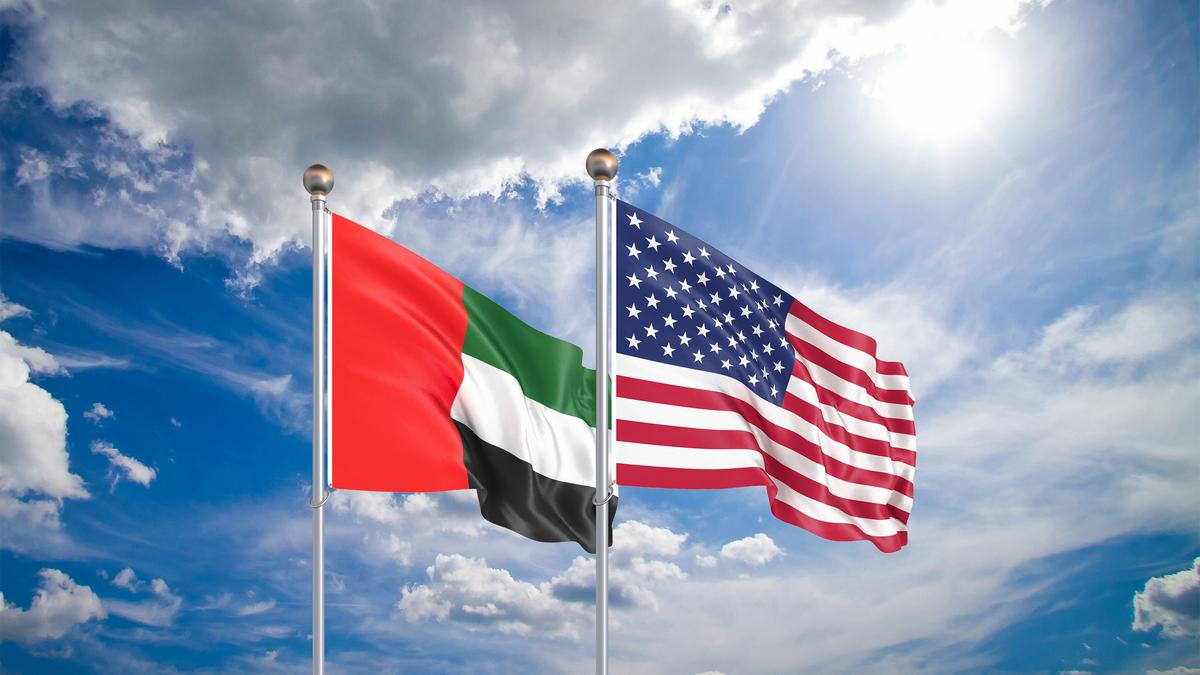
Donald Trump thinks he is doing the United Arab Emirates a favor. The press is playing along, framing the proposed currency swap between the Federal Reserve and the UAE Central Bank as a "bailout" for a war-torn ally. They see a wealthy nation rattled by the Iran conflict, struggling with the blockade of the Strait of Hormuz, and reaching out to Washington for a lifeline.
They are looking at the transaction backward.
This isn’t a rescue mission for Abu Dhabi. It is a desperate, last-minute attempt to stop the UAE from pulling the plug on the petrodollar. For fifty years, the global financial system has operated on a simple, unspoken agreement: we provide the security, you price the oil in dollars. By entertaining a swap line, the Trump administration isn't showing strength; it is admitting that the dollar's grip on the Gulf is so fragile that it requires a permanent, taxpayer-backed emergency tether just to keep the lights on.
The Liquidity Myth
The mainstream narrative suggests the UAE is running out of cash. That is mathematically absurd. We are talking about a nation with over $2.5 trillion in sovereign wealth funds. They aren't "broke." They are facing a liquidity mismatch because the US dollar has become an unreliable tool for regional trade in a high-conflict zone.
When the Strait of Hormuz is blocked, the traditional flow of dollars from oil sales dries up. In the past, the UAE would just dip into reserves. Now, they are using those reserves to signal a pivot. By asking for a swap line, the UAE is essentially telling the Fed: "Supply us with cheap dollars on demand, or we will start settling our accounts in yuan."
I have seen this movie before. In 2008, swap lines were used to save European banks from a systemic collapse. In 2020, they saved the global repo market. But those were banking crises. This is a geopolitical shakeup. Using a currency swap as a diplomatic "thank you" for being a good ally is a fundamental misuse of central bank power. It turns the Federal Reserve into a political piggy bank.
Why a Swap Line is a Strategic Retreat
A currency swap is not a loan. It is an exchange. The Fed gives the UAE dollars; the UAE gives the Fed dirhams. Both sides agree to swap back at the same exchange rate plus interest.
The risk isn't that the UAE won't pay it back. The risk is the opportunity cost of the precedent. By granting this swap, the US is acknowledging that the market alone cannot sustain the dirham’s peg to the dollar.
The UAE's Hidden Leverage
- The Yuan Option: Abu Dhabi has already hinted that the dollar's dominance is "not guaranteed." This isn't a bluff. They are the top trading partner for dozens of nations that would love to bypass the SWIFT system.
- Infrastructure Vulnerability: Iranian drones didn't just hit refineries; they hit the confidence of the global insurance market. If it costs too much to ship oil in dollars, the UAE will find a cheaper ledger.
- The Reserve Drain: If the Fed doesn't provide the swap, the UAE sells its Treasuries to raise cash. A mass sell-off of US debt by Gulf states would spike interest rates in the US, tanking the domestic housing market.
Trump is "surprised" they need help because they are rich? That’s the wrong metric. They don't need "help"—they need a reason not to defect.
The Cost of Maintaining the Mirage
Critics of this view will argue that swap lines are "low risk" because they are collateralized. This is the lazy consensus. The collateral is a foreign currency (the dirham) whose value is only stable because it is pegged to the very dollar it is trying to borrow. It is circular logic at its finest.
If the war with Iran escalates and the UAE's economy actually devalues, the Fed is left holding a pile of dirhams that are worth significantly less than the dollars they shipped out. We are essentially insuring the UAE’s currency against the consequences of a war that we are partially funding.
Imagine a scenario where the truce in Islamabad fails tomorrow. The Strait stays closed. The UAE realizes that its future lies with the BRICS+ bloc rather than a Washington administration that uses the dollar as a cudgel. They draw down on the swap line, use those dollars to exit their US positions, and leave the Fed holding the bag.
Stop Treating Central Banking as Diplomacy
The administration is treating the Fed like a branch of the State Department. This is a mistake. When you weaponize or politicize the dollar’s liquidity, you accelerate the very "de-dollarization" you are trying to prevent.
The UAE isn't asking for a swap because they love the dollar. They are asking because it is the most expensive thing they can extract from the US right now. If we give it to them, we aren't "bolstering an ally." We are paying a protection fee to keep our own currency relevant in the Middle East.
The "rich" Emiratis aren't looking for a handout. They are looking for an exit strategy. By opening the swap line, we are handing them the keys to the door.