The West Kowloon Raids and the Modern Syndicate Strategy
Think illegal gambling and underground clubs in Hong Kong are confined to neon-lit back alleys in Mong Kok? Think again. The reality of modern organized crime in the city has shifted dramatically into the stark, concrete corridors of aging industrial buildings.
A massive two-day joint operation code-named Thunderbolt and Roaring Tiger just smashed a sophisticated crime network operating across West Kowloon. Law enforcement officials deployed more than 170 officers from the West Kowloon Regional Crime Unit, the Immigration Department, and various district units. They hit 10 distinct locations across Hung Hom, Yau Ma Tei, Tsim Sha Tsui, Mong Kok, and Sham Shui Po. By the time the dust settled, 65 people were in handcuffs—40 men and 25 women aged between 25 and 63.
This wasn't a loose collection of small-time criminals. It was a highly organized syndicate running a multi-layered criminal enterprise. They converted plain units inside industrial structures into luxury, off-the-grid entertainment hubs, while simultaneously cleaning their cash through underground gambling rings.
Inside the HKD 10,000 a Night Secret Nightclubs
The scale of the operation in Hung Hom shows exactly how syndicates evade traditional street-level policing. Crime rings choose industrial buildings because they offer privacy, thick walls that muffle sound, and heavy freight elevators that control access.
Inside these stark units, the syndicate built high-end illegal nightclubs. They weren't just selling cheap beer. They provided premium alcohol, illicit substances, and karaoke hostess services tailored for wealthy local and overseas patrons. The financial barrier to entry was staggering.
- Premium Pricing: A single private karaoke room cost HK$10,000 to book.
- Hostess Fees: Patrons paid HK$2,200 per night for a hostess, with steep additional charges for extra services.
- Logistical Precision: To keep the operation hidden from plain sight, the syndicate used a dedicated fleet of vehicles to shuttle hostesses directly from Tsim Sha Tsui to the hidden industrial venues.
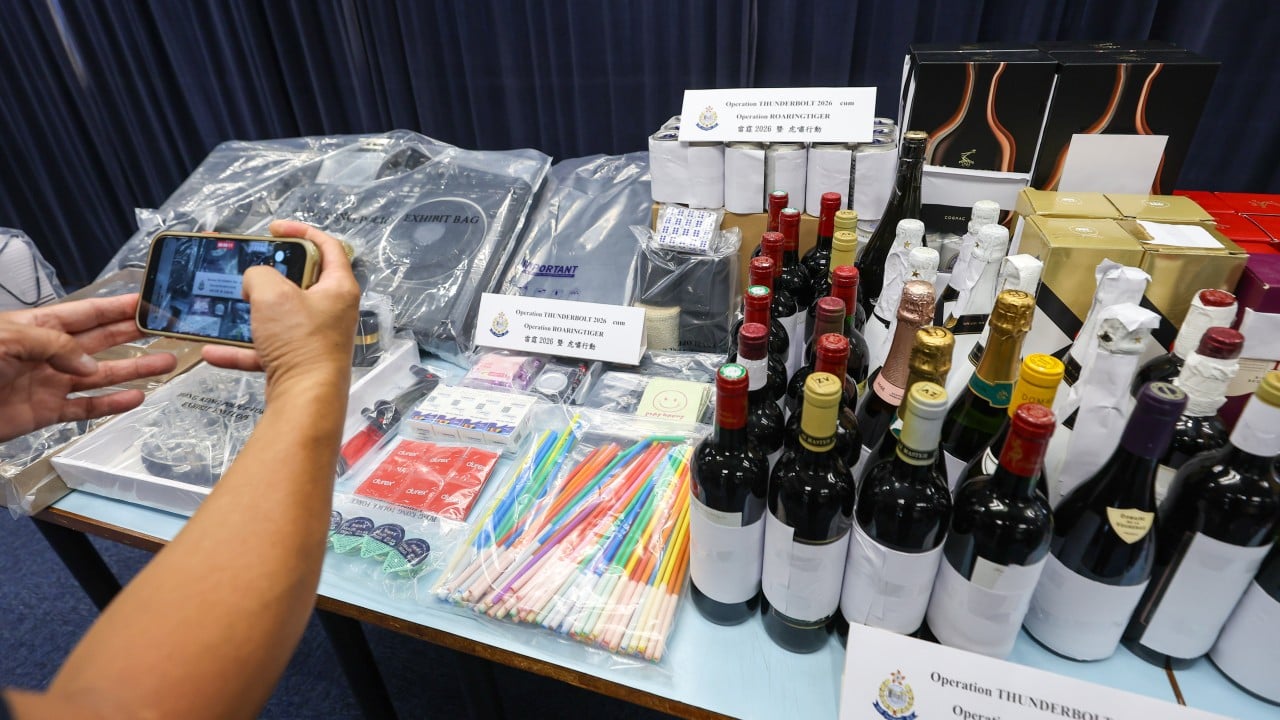
When officers breached three industrial units in Hung Hom, they arrested 26 people and seized 360 grams of illicit drugs—including Happy Powder, cocaine, methamphetamine, and ketamine—valued at roughly HK$190,000. Alongside the narcotics, police confiscated heavy audio setups, lubricants, mouthwash, and condoms.
The crackdown immediately rippled into Tsim Sha Tsui, where officers raided two connected venues. There, they arrested 10 mainland Chinese women for breaching their conditions of stay by working as illegal hostesses.
The Fishing Machine Gambling Network and Money Laundering Pipe
While the industrial nightclubs catered to high-rolling spenders, the syndicate ran a parallel cash-cow operation: illegal fishing-machine gambling dens. The Regional Anti-Triad Unit systematically dismantled three of these venues in Mong Kok, alongside a staff dormitory and a storage facility.
These dens do more than just rake in quick cash from players. They serve as the front end for massive money laundering schemes.
[Illegal Cash Generation: Nightclubs & Gambling Dens]
                         │
                         ▼
[Targeted Recruitment: Purchase of Local Bank Accounts]
                         │
                         ▼
[Layering: Smurfing Criminal Proceeds Through Multiple Owned Accounts]
                         │
                         ▼
[Consolidation: HK$13 Million Funneled to Syndicate Core Member Account]
The syndicate systematically convinced regular customers to sell their personal bank accounts. The gang used these proxy accounts to move illicit cash around, eventually funneling the money into a central account controlled by a core syndicate member. A deep financial dive by investigators revealed this single primary account processed over HK$13 million in criminal proceeds over the last few years.
During the gambling den raids, police arrested another 29 people for money laundering and gambling offenses, seizing 20 gaming machine boards, card readers, and HK$47,000 in immediate cash proceeds.
How to Spot and Avoid Illicit Entertainment Spaces
If you are navigating the nightlife or entertainment landscape in Hong Kong, you need to know how to spot an illegal setup. Getting caught in one isn't just a compliance issue; it carries heavy legal penalties under the Gambling Ordinance and the Dutiable Commodities Ordinance.
First, look at the zoning. If a nightclub, high-end karaoke bar, or gaming venue is located inside an industrial building without clear, public commercial licensing displayed at the entrance, it's highly likely illegal. True commercial venues must comply with strict fire safety codes, which these hidden venues completely ignore by locking emergency exits to avoid detection.
Second, check the payment methods. Valid businesses don't demand peer-to-peer cash transfers to personal accounts or obscure cash-only operations to book a room.
Protect yourself by sticking to licensed commercial districts and verified venues. If an entertainment offer requires private shuttles to an undisclosed industrial unit, turn around. The risks involve direct criminal charges for merely being present in an unlicensed space during a police raid. Keep your entertainment choices above board, stick to public commercial venues, and protect your personal financial data from anyone offering quick cash for your bank details.