Viral Acts of Heroism Mask a Structural Failure
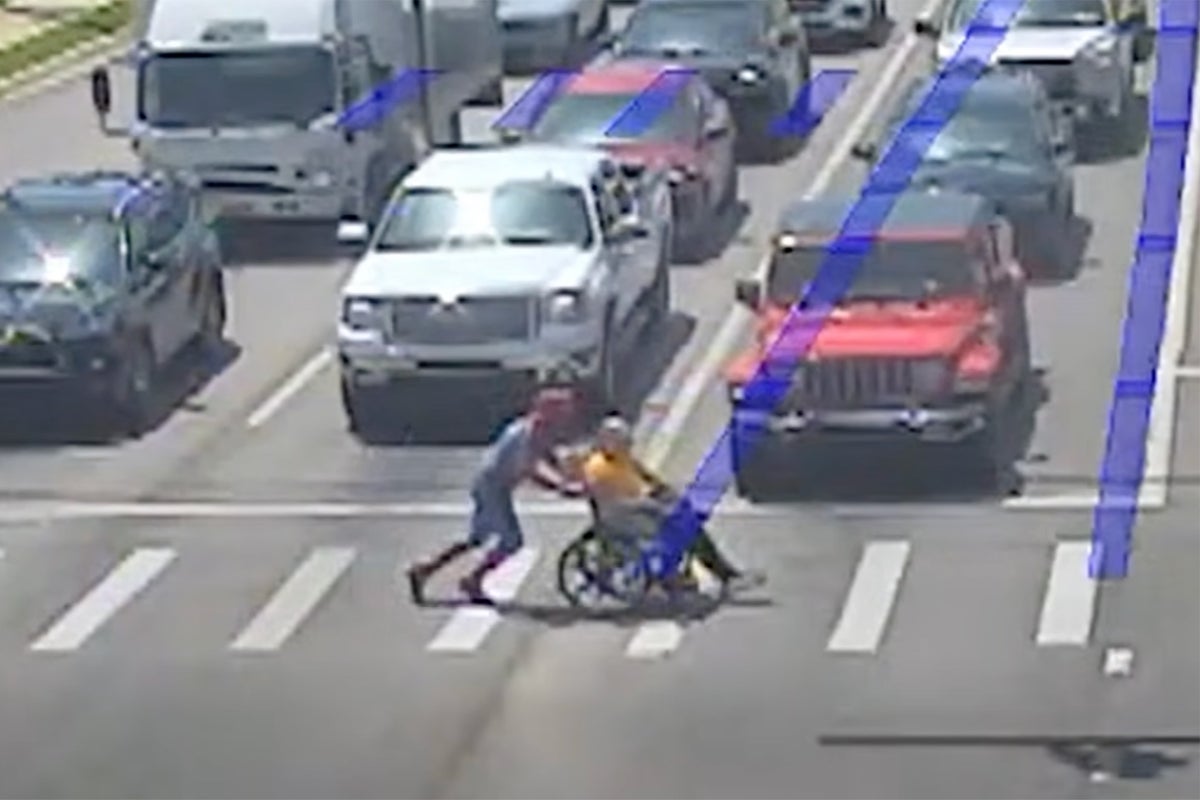
When a person dressed in a full Spider-Man costume stepped into a busy intersection to guide a wheelchair user through traffic, social media celebrated the moment as a heart-warming display of human kindness. Videos recorded by bystanders showed the costumed individual blocking oncoming vehicles, gesturing for drivers to halt, and walking alongside the wheelchair until both reached the opposite curb safely. The footage accumulated millions of views across multiple platforms within hours, prompting praise for community solidarity and local heroism.
Behind the viral sensation lies an uncomfortable truth about municipal planning. A person using a mobility device should never need an intervention from a masked stranger to cross a public street safely. The viral moment did not showcase a thriving community; it exposed a critical breakdown in basic public infrastructure.
Pedestrian safety mechanisms are failing vulnerable road users at an alarming rate across urban centers. When crosswalk signals offer insufficient crossing time, when sidewalk ramps are missing or damaged, and when traffic speeds are prioritized over human safety, citizens are forced to improvise dangerous interventions.
The Mechanics of Dangerous Pedestrian Crossings
Urban traffic design has historically prioritized vehicle throughput over pedestrian access. Signal timing algorithms in major cities are routinely configured around average walking speeds of roughly 4 to 4.5 feet per second. This standard calculation excludes millions of individuals.
Elderly residents, people pushing strollers, and individuals using manual or motorized wheelchairs frequently travel at speeds below 3 feet per second. When signal phases fail to accommodate these speeds, pedestrians are left exposed in the middle of multi-lane corridors as traffic lights change.
Standard Signal Timing Design vs. Accessibility Realities

Design Standard:       [  4.0 to 4.5 feet per second  ] -> Prioritizes Vehicle Flow
Actual Mobility Speed: [  2.0 to 3.0 feet per second  ] -> Leaves Pedestrians Exposed
Furthermore, physical barriers frequently force wheelchair users into live traffic channels long before they reach an intersection.
- Missing or Damaged Curb Ramps: A missing curb cut forces a wheelchair user to travel along the asphalt shoulder alongside traffic to find an accessible entry point.
- Inadequate Signal Durations: Fixed-timer signals do not adapt to slower-moving traffic, creating predictable hazard zones.
- Driver Inattention and Blind Spots: High-riding modern SUVs and trucks feature expansive front blind zones, making lower-profile wheelchair users invisible to turning drivers.
When these factors combine at a single intersection, crossing the street becomes a high-risk maneuver.
The Problem with Relying on Informal Citizen Interventions
Applauding citizen interventions as solutions to infrastructure gaps creates a dangerous precedent. While the individual in the Spider-Man suit acted out of immediate compassion, stepping into active traffic lanes without formal traffic control authority puts both the helper and the person being helped at severe risk.
Drivers reacting unexpectedly to an unauthorized person in the roadway can cause secondary collisions. A civilian standing in a lane does not possess the visibility gear, physical barriers, or legal authority necessary to manage multi-lane vehicular movement safely. Elevating these moments as heartwarming community solutions obscures the responsibility of local governments to maintain safe public rights-of-way.
Reimagining Urban Intersections for Universal Accessibility
Fixing broken pedestrian networks requires concrete engineering adjustments rather than reliance on goodwill. Municipalities that successfully reduce pedestrian injuries implement specific design modifications aimed at protecting vulnerable users.
Automatic Signal Adjustments and Passive Detection
Modern traffic technology allows intersections to adapt to the people using them. Passive pedestrian detection systems use thermal or radar sensors to monitor individuals as they cross. If a pedestrian using a wheelchair or walker is still in the crosswalk when the standard signal time expires, the system automatically extends the red light for turning and oncoming vehicles.
Physical Curb Extensions and Refuge Islands
Infrastructure design can physically enforce lower speeds and shorter crossing distances.
- Bulb-Outs (Curb Extensions): Extending the sidewalk out into the parking lane narrows the roadway, reduces the distance a pedestrian must travel, and increases visibility for both drivers and pedestrians.
- Pedestrian Refuge Islands: Mid-street medians give slower-moving individuals a protected area to wait safely if they cannot complete a full street crossing in one signal cycle.
Standard Intersection:
[ Sidewalk ] === 4-6 Lanes of High-Speed Traffic === [ Sidewalk ]

Accessible Redesign:
[ Bulb-Out ] == 2 Lanes == [ Refuge Island ] == 2 Lanes == [ Bulb-Out ]
Direct Investment Over Social Media Celebrations
Viral videos come and go within a news cycle, but physical hazards remain indefinitely until city engineering budgets prioritize them. Celebrating informal rescues allows municipal leaders to ignore systemic negligence.
True public safety does not rely on costumed vigilantes or good Samaritans stepping into harm's way. It relies on functional concrete, intelligent signal timing, and urban design that protects every citizen regardless of mobility status. Cities must audit high-incident corridors and fund immediate structural upgrades before the next dangerous crossing turns into a tragedy that no bystander can prevent.


