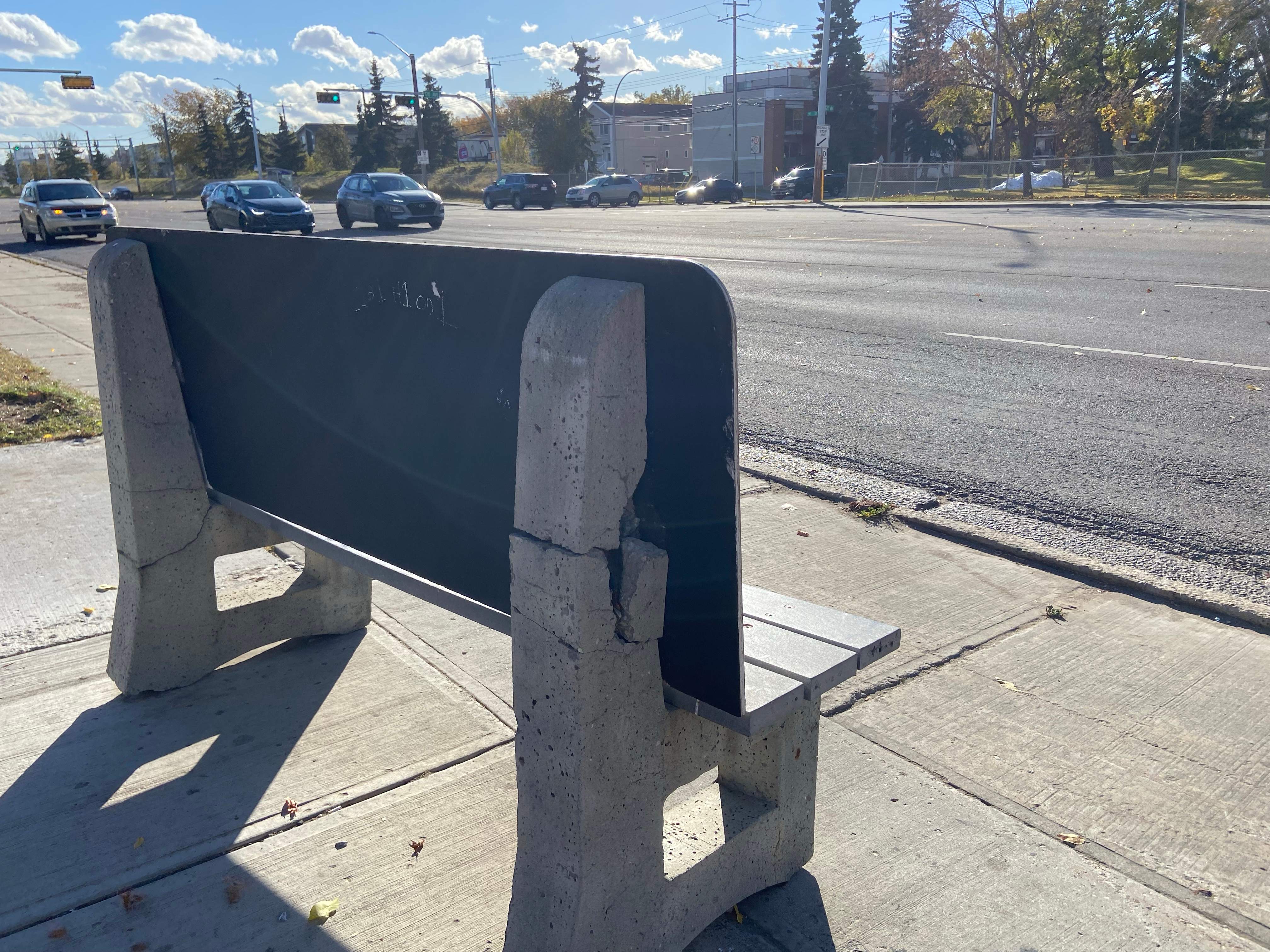
A single high-energy collision between a motorcycle and a fixed transit waiting area can convert routine urban infrastructure into a lethal impact zone, exposing systemic gaps between street design, vehicle dynamics, and pedestrian protection. Because no underlying article body or verified collision telemetry is provided beyond the headline indicating a fatality and a serious injury to an infant in Edmonton, this analysis establishes a structured framework for examining how such events occur, which variables govern injury severity, and how municipalities evaluate street safety. All event-specific details remain unverified hypotheses unless confirmed by official municipal or police reporting; the mechanisms below describe general traffic engineering, biomechanics, and public policy principles.
The Three Pillars of Urban Crash Analysis
Evaluating a severe collision involving a motorcycle, a transit shelter, and vulnerable road users requires separating the incident into three distinct analytical layers. Treating a crash merely as a sequence of individual errors obscures the structural conditions that made catastrophic injury probable once control was lost. Don't forget to check out our previous article on this related article.
- Kinetic and Biomechanical Exposure: This pillar examines how mass, velocity, angle of impact, and human vulnerability interact. Motorcycles lack structural crumple zones or passenger restraint cages, meaning rider trajectory after a loss of stability is heavily influenced by roadway geometry, curb profiles, and preceding impacts. Pedestrians and infants inside or near a shelter face extreme risk because they have no protective shell and limited time or space to evade an encroaching vehicle.
- Infrastructure and Street Geometry: This pillar evaluates the physical environment where movement and waiting converge. Factors include lane widths, posted versus operating speeds, sightlines, curb heights, sidewalk clearances, lighting, and the placement and structural rating of transit shelters relative to moving traffic.
- Systemic Governance and Post-Crash Response: This pillar addresses how agencies monitor corridors, allocate capital for safety upgrades, enforce traffic laws, and coordinate emergency medical care. It also accounts for data completeness and transparency, since public understanding often relies on preliminary incident reports before full reconstruction findings are available.
Separating these pillars prevents a common analytical error: blaming either the rider or the physical structure in isolation. A loss of control may originate in rider error, mechanical failure, pavement condition, or a conflict with another road user, while the resulting casualty count is heavily shaped by street design and shelter placement.
Kinetic Mechanics and Injury Asymmetry
Conventional news coverage frequently stops at the outcome—a fatality and a serious injury—without explaining why a motorcycle crash into a transit shelter produces sharp disparities in harm. In physics terms, kinetic energy scales with mass and the square of velocity. Even when a motorcycle has lower mass than a passenger car or truck, high speed combined with a concentrated point of impact can generate destructive forces against glass panels, metal framing, concrete pads, and human tissue. To read more about the background of this, TIME offers an informative summary.
The first mechanism governing outcomes is energy transfer and deflection. When a motorcycle leaves the travel lane and strikes a curb, bollard, sign post, or shelter assembly, energy is dissipated through friction, deformation, fracturing, and rebound. Standard transit shelters are designed primarily to shield waiting passengers from wind, rain, and sun while maintaining visibility for security and wayfinding. Unless specifically engineered as crash-resistant barriers, typical shelter frames and glazing offer limited resistance to an errant motorized vehicle. Shattered glass, sheared metal members, and displaced fixtures can become secondary hazards alongside the vehicle itself.
The second mechanism is biomechanical vulnerability across age groups. Adults and infants do not experience blunt or secondary impact forces identically. An infant has different mass distribution, head-to-body proportions, musculoskeletal maturity, and airway resilience than an adult. When a collision occurs near a transit stop, an infant may be held in arms, seated in a stroller, or positioned close to low-level impact zones and flying debris. Without rigid restraint or structural shielding, even a fraction of the energy that damages a vehicle or shelter can produce severe trauma.
The third mechanism is scene complexity and secondary risks. A crash at a bus stop often takes place along an arterial or collector corridor where other vehicles continue moving or stopping. Emergency responders must manage airway and trauma care for critically injured victims while securing active traffic lanes, preserving physical evidence for collision reconstruction, and preventing secondary collisions.
Why Standard Street Metrics Miss High-Severity Risks
Municipal transportation programs often rely on aggregate metrics—such as average daily traffic volume, collision counts per intersection, or overall corridor collision rates—to prioritize safety interventions. While useful for broad network screening, these averages can mask localized high-severity hazards.
A corridor with a moderate total number of collisions can still harbor specific points where high speeds, turning movements, pedestrian gathering points, and fixed roadside objects coincide. If a bus stop sits close to a high-speed lane, near a merge or turn pocket, or along a stretch where operating speeds routinely exceed posted limits, the severity distribution matters as much as the raw frequency. A low-frequency event at high energy can cause life-altering harm that low-speed fender-benders never produce.
Another blind spot lies in exposure measurement. Traditional traffic counts measure vehicles passing a sensor, not the number of people standing, boarding, alighting, or pushing strollers at a specific stop during peak hours. When pedestrian waiting density is omitted from risk scoring, locations with high human vulnerability may rank lower than pure vehicle-conflict intersections.
Finally, lagging indicators dominate public reporting. Crash statistics record failures after harm has already occurred. Near-misses—such as vehicles mounting curbs, riders locking brakes near stops, or motorists speeding through transit zones—frequently go unrecorded in formal collision databases, leaving agencies with an incomplete picture of emerging hazards until a severe incident forces attention.
Cause-and-Effect Chains Often Overlooked in Reporting
Preliminary reporting on dramatic urban crashes typically highlights immediate facts: the location, the vehicle type, the presence of a transit shelter, and the medical status of those involved. What often goes unexamined is the chain of upstream and downstream conditions that connects roadway operation to human harm.
Upstream Design and Speed Environment
Roadway geometry sets expectations for driver and rider behavior. Wide lanes, long straight sightlines, gentle curves, and forgiving-looking arterials often encourage speeds higher than the posted limit, a phenomenon traffic engineers associate with speed perception and design cues. When operating speeds rise, stopping distances lengthen and the margin for correcting a skid, avoiding a pothole or debris, or reacting to an unexpected hazard narrows sharply. If a motorcycle loses traction or clips an obstacle at elevated speed, the resulting departure angle from the lane can send both rider and machine directly toward the curb zone where pedestrians wait.
Roadside Edge and Shelter Placement
The edge of the roadway is a critical transition zone. Curb height, sidewalk width, buffer strips, parked cars, and street furniture determine whether an errant vehicle is deflected, slowed, or guided straight into waiting areas. Placing a shelter too close to moving traffic without physical separation increases exposure to run-off-road vehicles. Conversely, placing a shelter too far back or obstructing sightlines can create other trade-offs for accessibility, lighting, and passenger visibility. Every design choice carries competing operational constraints that must be weighed explicitly rather than treated as automatic trade-offs.
Downstream Investigation and Policy Feedback
After a fatal or life-altering crash, collision reconstruction teams analyze tire marks, vehicle damage, electronic data if available, signal timing, roadway surface conditions, and witness accounts. That technical investigation takes time. Public narratives formed in the first hours can harden around assumptions before forensic evidence is complete. A rigorous system ensures that investigative findings feed back into corridor audits, shelter siting standards, speed management, and emergency response protocols rather than ending with an isolated incident file.
Practical Questions People Ask After a Transit Shelter Crash
When a severe crash involves a motorcycle and a bus shelter, public questions tend to cluster around liability, physical protection, and prevention. Addressing these questions systematically clarifies what engineering and policy can—and cannot—solve.
- Are bus shelters built to stop motorcycles or cars? Most standard urban bus shelters are designed for weather protection, durability, visibility, and accessibility rather than high-speed vehicle impact containment. Bollards or crash-rated barriers are typically installed selectively where engineering assessments identify elevated run-off-road risk, subject to budget, utility clearances, and sidewalk width limits.
- How do speed and roadway design influence run-off-road crashes? Higher speeds increase kinetic energy and reduce reaction time when a rider or driver encounters an obstacle, surface defect, loss of grip, or sudden traffic conflict. Roadway cross-sections, sightlines, and lane configurations strongly shape how fast traffic actually moves.
- Why are children and infants especially vulnerable in roadside collisions? Smaller body mass, distinct anatomical proportions, and lack of structural protection mean that blunt force, secondary impacts, or debris can cause disproportionate trauma. In public transit spaces, infants are also more likely to be unrestrained in arms or seated in light strollers near the point of impact.
- What determines fault or legal responsibility after such an incident? Legal liability depends on verified facts established through investigation, including traffic law compliance, speed, impairment, roadway maintenance, and whether any third party or mechanical defect contributed. Speculation prior to official findings is rarely reliable.
Operational Trade-Offs and Limitations of Safety Interventions
Practitioners managing urban corridors and transit assets know that no single countermeasure eliminates severe crashes across an entire city. Every intervention involves cost, spatial constraints, and operational trade-offs.
Installing heavy steel bollards or crash barriers around every bus shelter is financially and physically prohibitive. Sidewalks in dense or older neighborhoods often lack sufficient width to accommodate crash barriers while preserving clear pedestrian paths of travel required for wheelchair users and people with strollers. In some locations, rigid barriers placed too close to a travel lane can even introduce new hazards or complicate snow clearing and street maintenance.
Speed enforcement and automated cameras can reduce speeding along targeted corridors, yet enforcement faces legal frameworks, public debate, calibration and maintenance requirements, and resource limits. Street design modifications—such as narrowing lanes, adding raised crosswalks, adjusting signal phasing, or reconfiguring curb extensions—can produce lasting behavioral shifts, but capital projects move through multi-year planning, budgeting, and utility coordination cycles.
Rider safety programs and public education also have limits. Training and protective gear reduce injury risk for compliant riders, but they cannot fully offset extreme speeds, unpredictable roadway hazards, or conflicts with other vehicles. A credible safety strategy treats countermeasures as layered risk reduction—lowering the probability of loss of control while reducing the severity of consequences when errors do happen—rather than promising zero risk overnight.
A Tactical Framework for Corridor and Shelter Risk Audits
Transportation planners, transit operations teams, and safety analysts can apply a disciplined four-step audit to evaluate high-risk bus stops and corridors without waiting for a tragedy to prompt action.
- Map High-Severity Corridors and Stop Clusters: Overlay fatal and serious-injury collision records with transit route maps, boarding and alighting counts, school or childcare proximity, and high-speed segments. Prioritize locations where high operating speeds intersect with frequent pedestrian waiting.
- Inspect the Roadside and Shelter Envelope: Audit each high-priority stop for distance from the nearest travel lane, curb geometry, sight obstructions, lighting quality, landing-pad space for wheelchairs and strollers, and presence of fixed hazards or protective elements. Identify underground utilities before proposing any structural anchors or bollards.
- Diagnose Speed and Conflict Drivers: Review speed survey data, traffic signal progression, turning movements, and pavement conditions along the approach to the stop. Determine whether excessive speed or abrupt lane changes are driven by roadway geometry or traffic control timing.
- Sequence Short-Term and Capital Interventions: Pair rapid operational measures—such as targeted enforcement, speed feedback signage, pavement markings, or stop relocation where feasible—with longer-term engineering upgrades like corridor speed management, curb or buffer redesign, and selective protective barriers where risk warrants the space and cost.
Strategic Recommendation for Municipal Transit and Road Safety Leaders
Municipalities and transit authorities should replace reactive, incident-by-incident shelter reviews with a risk-weighted corridor triage program that pairs speed management at the travel lane with targeted physical protection at high-exposure stops. Rather than attempting to armor every shelter uniformly—an approach that stalls on cost and sidewalk clearances—agencies should concentrate capital on stops where high vehicle speeds, dense pedestrian or vulnerable-user waiting, and limited recovery space converge, while pairing those physical upgrades with corridor-level speed reduction so fewer vehicles leave the roadway at lethal energy in the first place.


