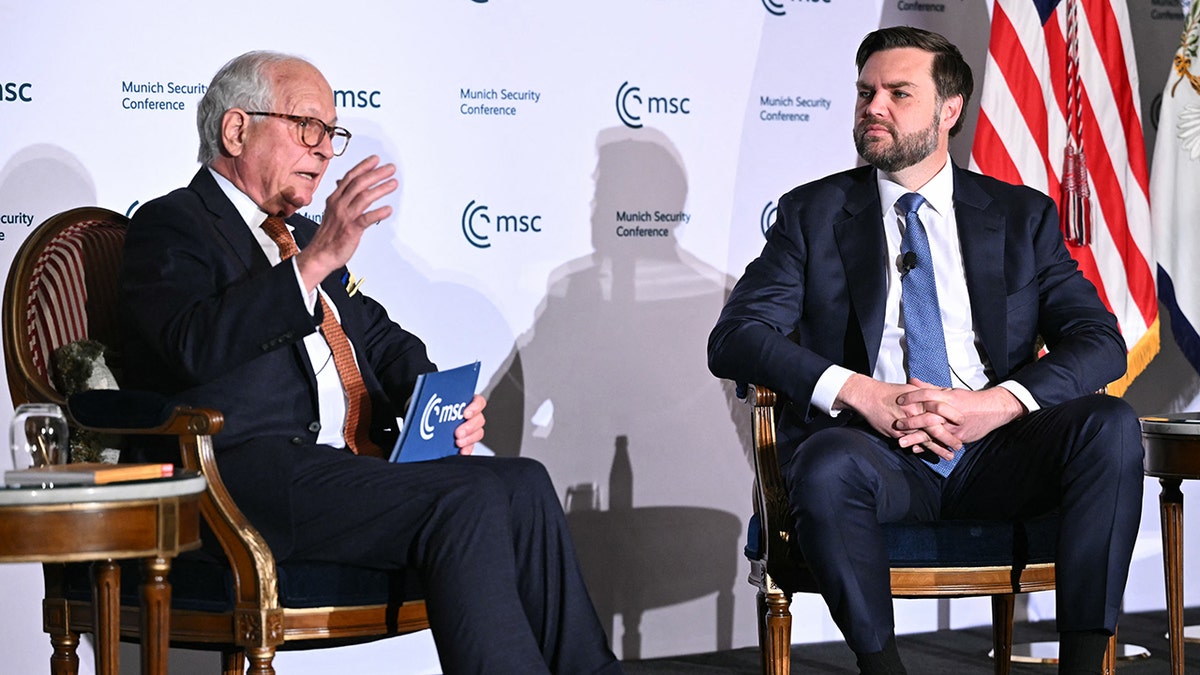
JD Vance is on a plane to Islamabad right now with a message that's about as blunt as you'd expect from this administration. Don't play us. It’s a classic "good cop, bad cop" routine, but the stakes couldn't be higher. We’re looking at a narrow two-week window to stop a six-week-old war from turning into a generational catastrophe. If you’ve been following the headlines, you know the vibe is tense, but there’s a weirdly optimistic streak coming from the Vice President’s camp.
The core of the issue is simple. The US wants the Strait of Hormuz open and Iran’s nuclear ambitions gutted. Iran wants the bombing in Lebanon to stop and their frozen billions released. It sounds like a standard geopolitical standoff, but the players have changed. Vance, who’s usually the guy questioning why we’re involved in foreign wars at all, is now the lead negotiator. That shift matters.
The JD Vance gamble in Islamabad
It’s no secret that Vance has been the "restraint" guy in the Trump inner circle. By sending him, Trump is signaling to Tehran that the US is serious about an exit strategy, provided the terms are right. Vance isn’t a career diplomat who’s going to get bogged down in twenty years of State Department baggage. He’s there to cut a deal.
But he’s not going alone. He’s flanked by Steve Witkoff and Jared Kushner. This isn’t a traditional diplomatic mission; it’s a high-stakes business negotiation. They aren't looking for a "reset" in relations or a warm embrace. They want the oil flowing through the Strait of Hormuz again because the spike in gas prices is a massive political liability back home.
Tehran’s laundry list of demands
Don’t think for a second that Iran is coming to the table out of the goodness of its heart. They’re hurting. Reports suggest they’ve taken over $145 billion in damages over the last 40 days. They want out, but they won't do it for free. Parliament Speaker Mohammad Bagher Ghalibaf made it clear on X (formerly Twitter) that they have two hard preconditions.
- A ceasefire in Lebanon: Tehran insists that Israel stops hitting Hezbollah.
- Release of frozen assets: They want their money back before the real talking starts.
The problem? The US and Israel haven't agreed to link the Lebanon conflict to this truce. Netanyahu is still hitting targets in Beirut, and Trump has been vocal about Iran doing a "poor job" of letting ships through the Strait. This disconnect is where the whole thing could fall apart by Tuesday.
Why the Strait of Hormuz is the real prize
If you're wondering why we’re even in Pakistan for this, look at your local gas station. Iran’s stranglehold on the Strait of Hormuz controls about a fifth of the world's oil. When that gets choked off, the global economy starts to bleed. Trump knows that if he doesn't fix this before the November elections, he’s in trouble.
The Iranians know this too. They’re using the Strait as a physical bargaining chip. Vance’s job is to convince them that the "open hand" he’s offering is better than the "closed fist" Trump keeps tweeting about. Remember, the President recently threatened to wipe out their "whole civilization" if a deal isn't reached. It’s a terrifying backdrop for a coffee meeting in Islamabad.
Distrust is the only thing both sides share
The level of suspicion here is off the charts. Iran is complaining about downed drones and "historical patterns of distrust." Meanwhile, the US delegation is focused on the release of American detainees and making sure Iran doesn't use this truce as a breather to enrich more uranium.
There’s a lot of talk about "good faith," but nobody actually believes it exists. Vance said, "If they’re going to try to play us, then they’re going to find the negotiating team is not that receptive." That’s code for: we have the B-52s ready if you blink.
The Pakistan connection
Why Islamabad? Pakistan has become the "middleman" of choice. They’ve got the Serena Hotel locked down, and their officials are literally running messages between rooms because the two sides still aren't doing much direct eye contact. It’s a theater of diplomacy where the script is being written in real-time.
What happens if the talks fail
If Vance comes back empty-handed, the two-week truce expires, and the war goes into overdrive. We’re talking about a full-scale resumption of strikes on Iranian infrastructure and a permanent closure of global shipping lanes.
If you want to track where this is going, watch two things over the next 48 hours.
- Lebanon strike frequency: If Israel slows down, a backroom deal on Iran's preconditions might be in the works.
- Tanker movement: If oil ships start moving through the Strait without being harassed, Vance has probably made some headway.
Don't expect a grand signing ceremony. Expect a quiet, gritted-teeth agreement that keeps the lights on for another month. The smartest move right now is to keep an eye on those oil prices. They’ll tell you the truth long before the official press releases do. If the markets stay volatile, it means the "open hand" hasn't found a match yet. Get ready for a rocky weekend.