The phone rings in the middle of the night, and the air in the room instantly turns to lead.
You know the sound before your eyes even snap open in the dark. It is not an ordinary ring. It carries a frequency of panic, a vibration that cuts through the thickest sleep and reaches straight for your chest. When you pick it up, the voice on the other end does not deliver news. It delivers an earthquake. Distance ceases to matter. Saskatchewan and Massachusetts are suddenly pulled together by a cruel, invisible wire, snapping under too much weight.
Somewhere out over the dark, churning waters of the Atlantic, beneath a sky choked with winter’s indifferent breath, an air ambulance flight vanished.
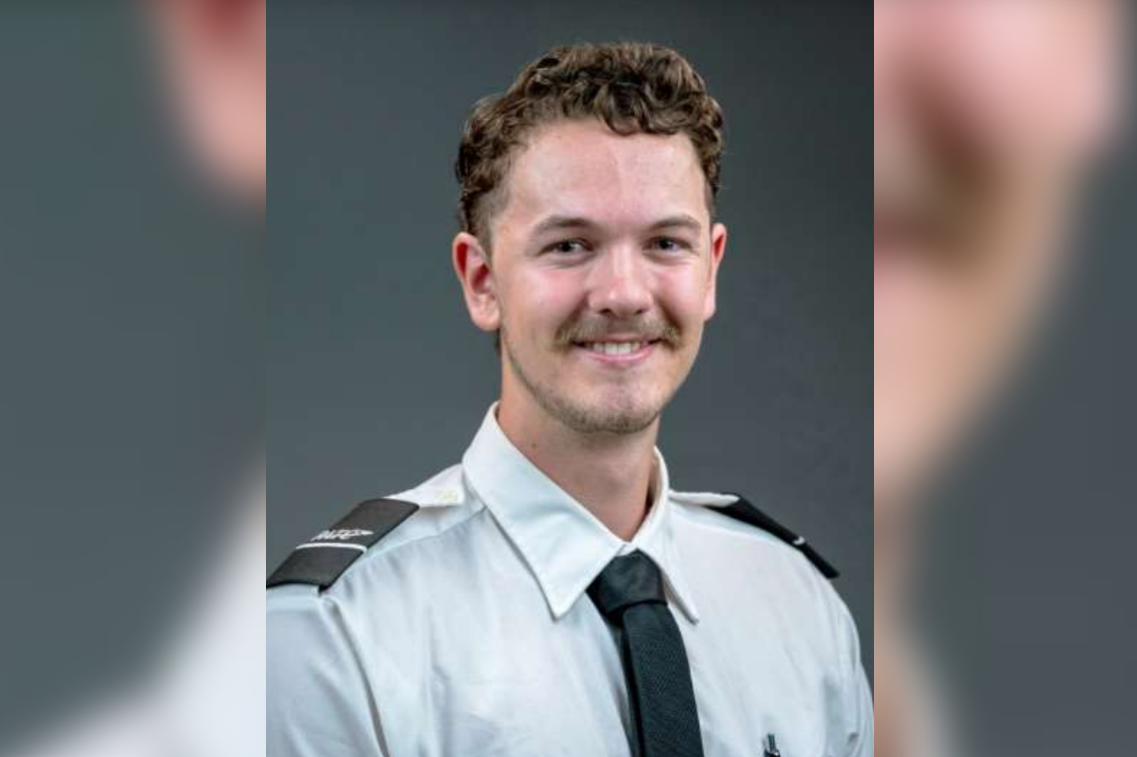
Six souls. Among them, a man from Saskatchewan.
We talk about aviation accidents in cold, clinical syllables. We talk about flight paths, radar echoes, search patterns, and coordinates. We consume these details on glowing screens over morning coffee, scrolling past the headlines between sips of milk. It is easy to view tragedy as a map pin. It is easy to look at a tragedy miles away and treat it as a weather pattern affecting someone else's sky. But every coordinate on that map represents a kitchen table with an empty chair. Every statistic was once a person who forgot their coffee mug on the counter, kissed someone goodbye, and promised they would be back before the weekend.
Consider the life of a medical flight crew and the patients they carry. They exist in the margins of survival. When the ordinary world breaks down—when a heart stutters in a remote clinic, when an accident shatters a body on a lonely highway far from a major trauma center—these crews become the bridge between life and the abyss. They fly into weather that grounds everyone else. They navigate the blackest nights because someone's child, someone's father, someone's love is running out of time.
We rarely think about the invisible machinery that holds our vast, empty geography together. Saskatchewan is a place of big skies and long horizons, a landscape where you can watch the weather coming for hours before it reaches you. Because of that vastness, distance is our constant adversary. When medical emergencies strike far from urban centers, the air ambulance is not a luxury. It is the pulse line. It is the thin, frantic heartbeat that keeps remote communities tethered to hope.
And yet, we take that heartbeat for granted until it stops.
The air off the Massachusetts coast in winter is not gentle. It is a hostile, shifting frontier of freezing spray, sudden squalls, and black water that swallows light. When a rescue aircraft goes down in those conditions, the search becomes a desperate race against an unforgiving sea. Coast Guard cutters slice through whitecaps. Sonar pings into the abyss. Helicopters sweep back and forth like needles sewing a shroud over the waves.
Back home, thousands of miles away on the flat, frozen plains, the news arrives like a physical blow. A community holds its breath. Neighbors look at each other with a sudden, haunted tenderness. Because when someone from a small province is lost in a vast ocean, the tragedy shrinks the world down to the size of a single, aching room. You realize how fragile the structures are that we build to protect each other. You realize how much courage it takes for ordinary people to step into a metal tube, lift off into the freezing dark, and fly toward strangers in extremis.
We build our modern lives around the illusion of safety. We map our routes, check our weather apps, and trust in the technology of transit. We assume that if something goes wrong, someone will fly out of the night to fix it. We rarely ask what happens when the fixers themselves become the headline.
The flight is over. The radar trace has faded. But the ripples of that sudden absence continue to spread outward, touching every person who has ever looked up at a night sky, heard the steady thrum of rotor blades overhead, and wondered where they were going and who they were trying to save.
Silence follows the storm. The ocean closes its wounds without leaving a scar. But on the prairie, under a sky that stretches on forever, the wind keeps blowing, carrying the quiet, enduring weight of the ones who did not come home.