Water has a voice long before it has a color.
High up on the roof of the world, where the air thins until it feels like crushed glass in the lungs, the sound of the glacier is a low, eternal growl. It is the sound of an ancient weight shifting over stone, grinding canyons into the earth, feeding the great rivers that hundreds of millions of people downstream depend upon for survival. For generations, the communities clinging to the steep, wind-scoured shoulders of Tibet understood this sound. They lived alongside it like a distant relative—predictable, massive, and permanent.
Then came the rushing.
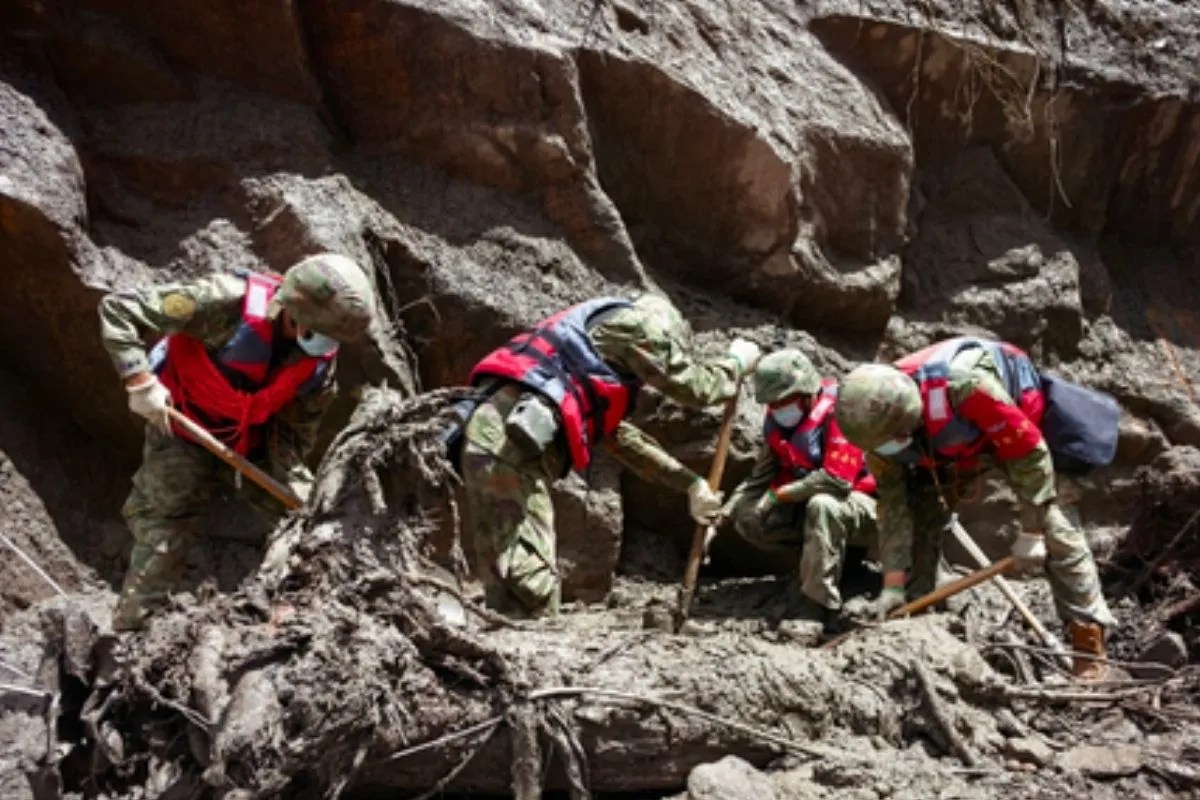
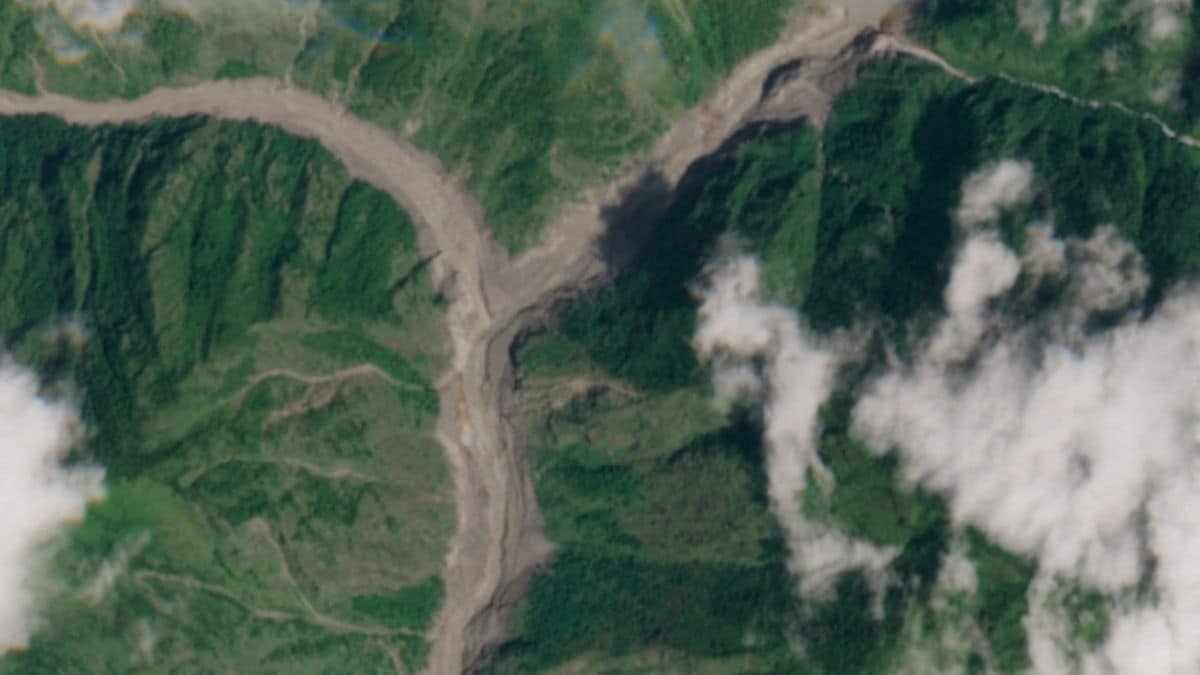
Imagine—though, to be precise, we must rely on the fragments left behind—a wall of grey mud and foaming glacial melt tearing through a mountain pass at midnight. (Note: I am using this hypothetical reconstruction to bridge the gap between abstract satellite telemetry and the human terror experienced in the valleys). In the dark, telephone poles snap like toothpicks. Stone houses, built to withstand centuries of howling wind, dissolve into the current within seconds.
And then, almost as fast as the water arrives, the videos disappear.
If you open your phone today and search for the raw, unedited footage of the recent catastrophic flooding sweeping across certain high-altitude prefectures in the Tibetan Autonomous Region, you will notice a strange phenomenon. It is not just that the algorithms are sluggish. It is that the posts are actively, systematically hollowed out. A thumb-swipe refreshes a feed, and a shaky cell phone video shot by a terrified herder standing on a crumbling mud bank simply blinks out of existence. Error code. Content unavailable. User account restricted.
Why do videos vanish?
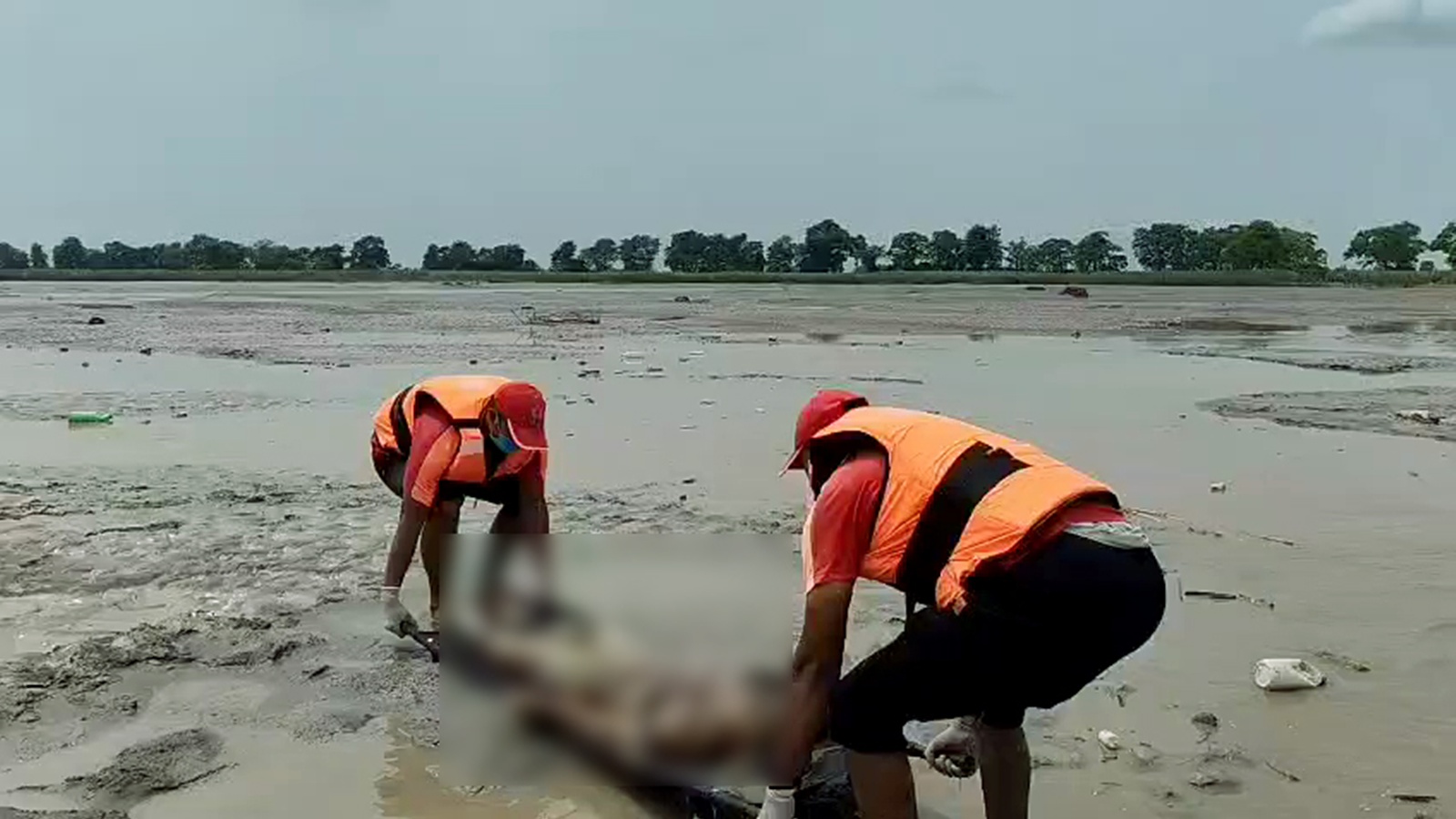
The official broadcast loops on state television offer a pristine, sanitized counter-narrative. They show disciplined rescue workers in matching orange overalls lifting elderly residents onto rubber boats against a backdrop of placid, heroic recovery. The sunlight always seems to break through the clouds just in time for the evening news broadcast. But the raw smartphone footage—the trembling hands, the screams of panic, the sheer, unbridled fury of overflowing rivers chewing away highways—that does not fit the broadcast schedule.
To understand why the footage is censored, we have to look past the political mechanics of information control and look instead at the psychology of fragility.
When I spoke with nomadic herders years ago near the foothills of the Himalayas, they taught me an old saying about the mountains: "The earth does not belong to the pen; the pen belongs to the earth." They meant that the land dictates reality, no matter how loudly administrators in distant capitals try to rewrite it.
An unchecked video of a climate-driven flood or a failed infrastructure project is more than just a piece of bad news. In the eyes of centralized authorities, it is an existential fracture. It shatters the carefully curated illusion of absolute control. If a river can swell and wash away a newly paved highway, what does that say about the engineers who designed it? If a village can be cut off for days without immediate state intervention, what does that say about the social contract?
So, the digital erasers go to work.
Algorithms trained to flag key terms—"flood," "Tibet," "disaster," combined with specific geographic coordinates—sweep through social media platforms like a digital wildfire in reverse. Accounts that uploaded the footage are hit with automated warnings about spreading rumors or disturbing public order. Within hours, the digital footprint of a catastrophe is scrubbed cleaner than the village streets after a mudslide.
What happens when a tragedy is edited out of history?
We lose our capacity for shared grief. We lose our ability to measure the true, accelerating cost of environmental instability. When floods are sanitized into neat, manageable bullet points on a state-run ticker tape, the urgency evaporates. The rest of the world looks away, assuming that everything is under control because the digital stream looks calm.
Consider what happens next: the rebuilding begins in the dark. Without independent documentation, accountability vanishes. Communities left vulnerable by shifting weather patterns and rapid glacial melting are left to pick up the pieces alone, silenced twice—first by the crushing weight of the water, and second by the invisible hand of the censor.
The water keeps rising, carving its brutal path through the ancient stone, indifferent to the algorithms trying to delete its wake. But truth, much like water, has a stubborn way of finding the cracks. Even if every broadcast is scrubbed clean, the scars remain etched into the valleys, waiting for the day the world finally listens to what the mountains have to say.