Money has a weight. Most people think of it as numbers glowing softly on a glass screen, detached and weightless, shifting from one digital ledger to another with the flick of an electron. But physical money—hundreds of billions of dollars sitting in low-yield vaults, waiting—has gravity. It bends the room around it. It warps the air.
For decades, that massive gravity sat in Omaha.
Picture a corner office where the carpet is worn thin by decades of pacing. On the desk sits a ledger of risks, a collection of railroads, insurance companies, energy grids, and candy wrappers. For a very long time, the man holding the pen was Warren Buffett. And for a very long time, his answer to massive incoming cash was caution. He hoarded dry powder. He stacked bills like cordwood. Critics called him slow. Supporters called him wise.
Then came the quiet handoff.
Greg Abel took the keys.
Nobody threw a parade. Wall Street analysts blinked, adjusted their spectacles, and went back to their spreadsheets, expecting more of the same slow, methodical waiting. Cash piling up. Treasury bills stacking toward the ceiling. The traditional safety dance of the world's most famous conglomerate.
Instead, the mountain started to move.
The Problem of Too Much Success
To understand why Greg Abel putting Berkshire Hathaway's cash to work matters, you have to understand the curse of accumulation.
Imagine running a lemonade stand that becomes so successful it suddenly owns every lemon tree in North America. Every day, trucks pull up and dump more quarters on your front porch. Soon, you have too many quarters to fit in the shoe box. Then too many for the closet. Eventually, the sheer weight of your unspent money threatens to collapse your house.
That was Berkshire’s reality. Cash reserves climbed past three hundred billion dollars.
In the corporate world, sitting on a mountain of idle cash is a failure of imagination. Inflation nibbles at it. Opportunity costs mock it. Every single day that money sits unallocated, it loses a fraction of its potential magic. Buffett knew this. He spent years waiting for a fat pitch, a market panic, a screaming bargain big enough to swallow tens of billions at once.
Markets refused to cooperate. Valuations stayed stubbornly high. The world changed.
Enter Abel.
He didn't wait for the apocalypse. He looked at the massive pile of green and decided that waiting for a panic is its own kind of risk.
The Machinery Beneath the Surface
Greg Abel is not a folksy philosopher from Nebraska who loves cherry phosphates. He is an operator. He is the guy who walks into a wind-swept substation in the middle of Iowa at three in the morning to figure out why a turbine tripped.
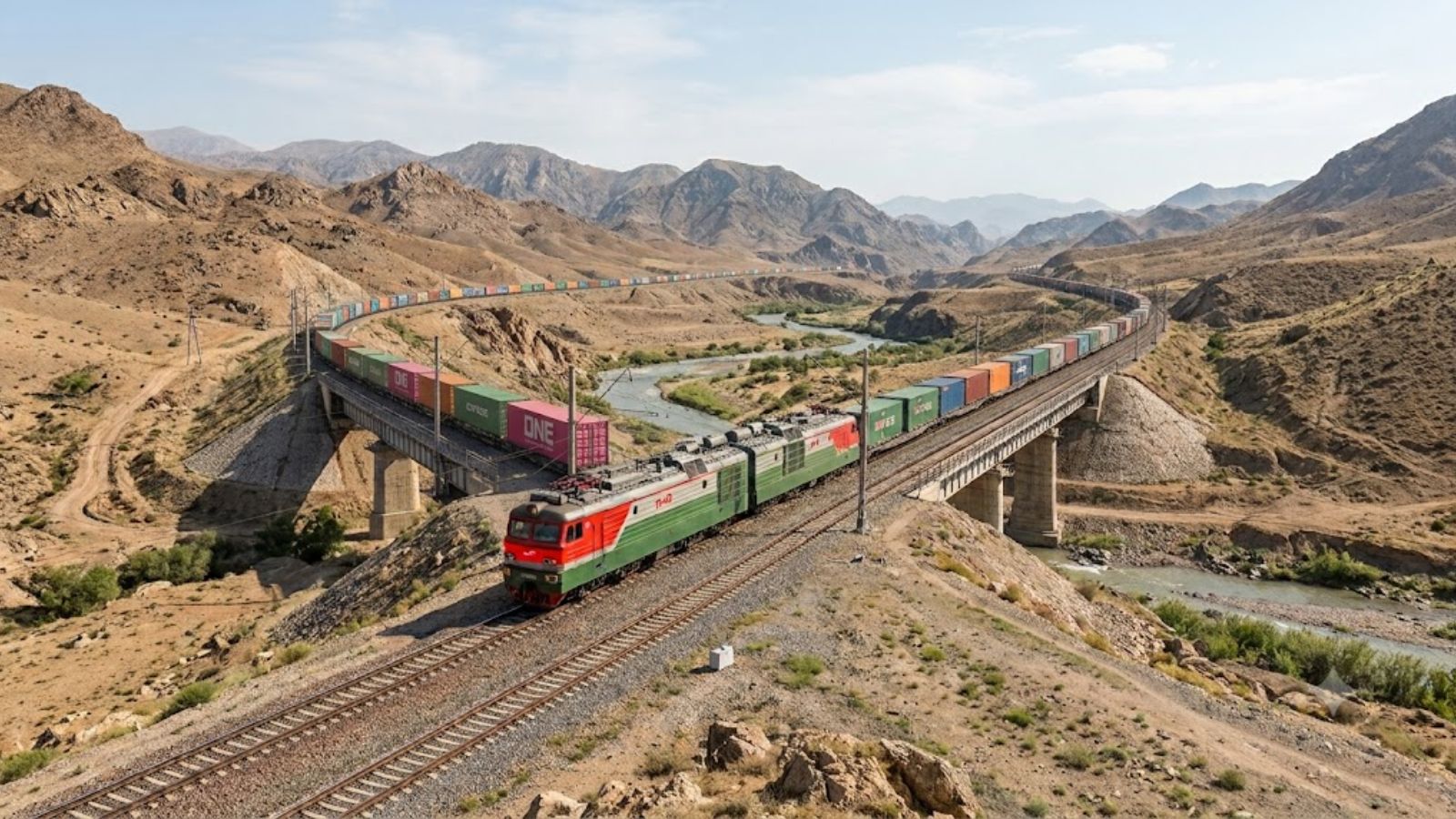
When Abel began deploying capital into tangible assets, he didn't chase speculative tech trends or flashy consumer apps. He went where he knew the foundation was bolted down. Energy. Infrastructure. Real estate brokerage adjustments. Massive, unglamorous, heavy machinery.
Think about the modern electrical grid. It is an aging, creaking spiderweb of copper and steel. Every time a summer heatwave rolls across the American plains, air conditioners kick on, and the grid groans.
Abel understands this pain intimately. Through Berkshire Hathaway Energy, he has poured staggering sums into modernizing transmission lines, building out wind farms, and hardening utilities against storms. This is not sexy work. There are no keynote presentations with flashing lights. There is only concrete, wire, and the steady hum of transformers.
When a corporation deploys billions into energy infrastructure, it changes the local geography. A hypothetical town in rural Nevada transforms overnight. Construction crews arrive. Local diners see a sudden surge in lunch orders. Steel mills three states away log orders they weren't sure were coming. The money leaves the bank account and turns into iron and electricity.
That is what people miss when they read dry financial headlines. They see a line item in a quarterly report: Capital Expenditure Increased. They miss the sweat of the lineman splicing high-voltage lines in the freezing rain.
The Philosophy of the Heavy Checkbook
There is an art to writing a check with so many zeros that it makes national news. Write it too fast, and you look desperate. Write it too slow, and you look paralyzed.
Abel operates with a cold, clear-eyed pragmatism. He inherits a legacy built on patience, but he recognizes that patience without execution is just procrastination in a tailored suit.
Consider how Berkshire approaches acquisitions. When they buy a company, they don't gut it, lay off half the staff, and flip the remaining pieces for a quick quarterly bump. They offer sanctuary. They tell a multi-generational family business: Keep running your company. We will provide the fortress balance sheet so you never have to worry about a credit crunch again.
By putting that cash to work in targeted, high-impact sectors, Abel is signaling a shift in philosophy. Berkshire is no longer just a passive stock picker waiting for the ultimate market dip. It is an active builder of the physical economy.
When you control that much capital, your choices ripple outward through the entire economic ecosystem. If Berkshire buys into an industry, confidence follows. Suppliers breathe easier. Competitors look over their shoulders. Banks loosen their lending terms because the ultimate stamp of approval has been applied.
The Human Cost of Standing Still
Why does any of this matter to someone sitting at a kitchen table paying utility bills?
Because the infrastructure of tomorrow is built with the capital of today. If massive conglomerates keep their money locked in short-term government paper, the bridges rust. The power lines sag. The transition to a cleaner, more resilient energy grid stalls out in committee rooms and funding round rejections.
When Abel unlocks the vault, he is placing a massive bet on the durability of the physical world. He is betting that physical assets—power plants, freight rail, manufacturing plants—will outlast the digital noise of the day.
It is a quiet revolution. There are no dramatic speeches. There is only the steady, rhythmic thud of heavy capital finding a home where it can actually do work.
The vault door in Omaha used to be locked tight against the uncertainties of the modern market. Now, the hinges are warm. The metal is turning. And out in the wider world, the foundations of tomorrow are finally being poured.