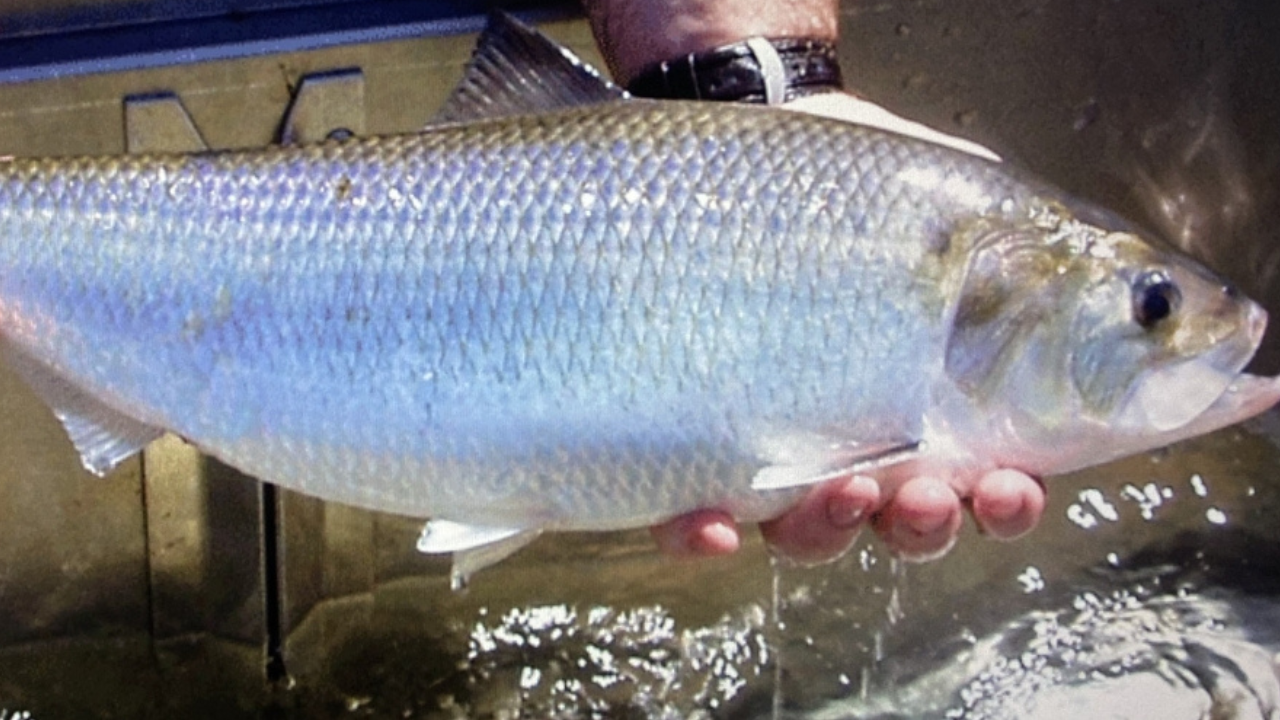
For decades, concrete walls stood as monuments to misplaced ambition across Virginia waterways. Then the heavy machinery rolled in, the concrete fractured, and rivers began to remember what they were before human engineering boxed them in. The recent dismantling of critical barriers in the commonwealth has reconnected over 127 miles of historic river habitat, allowing migratory fish like American shad, river herring, and American eel to finally push upstream toward spawning grounds blocked since the Industrial Revolution.
Yet, treating these ecological restorations as unmitigated victories ignores the friction that follows every breach. Sediment accumulation, shifting property values, and the sudden migration of upstream contaminants create immediate headaches for local communities left holding the bag after the ribbon-cutting ceremonies end.
The Engineering Reality Behind the Breaches
Water does not forgive a sudden change in gradient. When a dam comes down, years or even centuries of trapped silt, agricultural runoff, and industrial sediment are suddenly handed back to the current.
Biologists celebrate the return of free-flowing water, but municipal water operators face a very different nightmare downstream. A sudden slug of fine sediment can clog intake valves, smother macroinvertebrate populations, and temporarily spike turbidity to levels that municipal treatment plants are poorly equipped to handle.
What Actually Happens When the Wall Falls
- Sediment Release: Millions of cubic yards of accumulated silt wash downstream, altering river morphology over a single rainy season.
- Nutrient Spikes: Long-buried organic matter introduces historical nutrient loads back into the active water column, occasionally triggering localized algae blooms.
- Thermal Shifts: Removing a wide, shallow reservoir eliminates solar heating zones, dropping water temperatures downstream and altering the metabolic rates of resident fish species.
Engineers spend months modeling these variables, but rivers rarely follow computer simulations. The immediate aftermath of a dam removal is an exercise in managed chaos where ecological healing runs parallel to civil engineering triage.
Following the Scales Upstream
Strip away the PR statements from state wildlife agencies, and the biological reality on the ground is more nuanced. Migratory fish possess an uncanny evolutionary memory. Within weeks of a barrier dropping, river herring and American shad appear at the base of the next remaining obstruction upstream, testing the limits of their newly expanded range.
However, opening miles of water does not automatically translate to a booming population. Ocean-run species face severe marine pressures once they leave the river system, from commercial bycatch to warming coastal temperatures driven by shifting Atlantic currents.
[Ocean Environment]
       │
       ▼ (Marine Mortality / Climate Pressures)
[Estuary / Lower River]
       │
       ▼ (Newly Opened Migratory Corridor - 127 Miles)
[Historical Spawning Grounds]
Furthermore, upstream habitat is rarely pristine. Culverts built fifty years ago for local roads frequently perch two feet above the newly lowered water level, creating artificial waterfalls that adult fish cannot clear. Removing a primary dam is merely the first line item on a massive maintenance ledger. Until every secondary pinch point is addressed, the restored corridor remains a fragmented highway.
Who Pays for the Aftermath
Financing a dam removal looks attractive on a grant application. Federal environmental funds, state resilience bonds, and private philanthropic dollars foot the bill for the initial demolition explosives and heavy excavator hours.
The financial crunch hits two years later. Local county boards often inherit the long-term liabilities associated with altered riverbanks, including increased erosion threatening rural bridges, private dock reconstruction, and the loss of recreational lakefront property values that homeowners relied on for decades.
A community that spent fifty years marketing itself around a quiet mill pond suddenly finds itself managing a fast-moving, meandering stream that eats away at backyard acreage during spring floods. When state officials pack up their clipboards and move on to the next high-profile restoration project, local taxpayers fund the riprap and bank stabilization required to keep the river from swallowing local infrastructure.
The Unspoken Trade-Offs of River Recovery
Every environmental restoration demands a sacrifice. By tearing down obsolete infrastructure to restore migratory pathways, we intentionally erase the localized ecosystems that adapted to the artificial impoundments.
Warm-water species like largemouth bass and various sunfish thrive in the sluggish, solar-heated waters of a mill pond. When that pond becomes a riffle-and-run river once again, those lake-dwelling populations crash, replaced by cold-water or swift-current specialists. Anglers who spent generations targeting reservoir bass find themselves staring at a shallow, rocky creek that requires an entirely different set of skills and watercraft.
We do not get to choose which species benefit from ecological repair. We only get to decide whether we value the functional architecture of a natural watershed more than the manufactured convenience of a flooded valley. The concrete is gone from Virginia's waterways, but the bill for a century of hydrological arrogance is still coming due property by property, mile by mile, upstream.


