Winning the H-1B lottery is supposed to be the finish line for Indian tech professionals in America. You survive the brutal student visa pipeline, land a solid corporate role, and finally secure the coveted stamp. But for 28-year-old data scientist Disha Lamba, winning that visa lottery was actually her cue to pack her bags and leave.
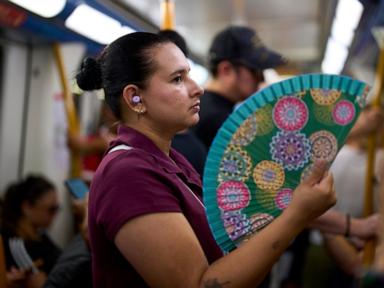
After years of grinding through higher education at New York University and building a comfortable corporate life at CVS Health with a six-figure salary, she walked away. She returned to Gurugram without another job offer lined up. Her story exposes a quiet truth that many expatriates refuse to admit out loud. The American Dream looks incredible on a spreadsheet, but it can feel remarkably empty when you are sitting alone in an apartment at 5 PM. Also making headlines in this space: Why Spain is falling back in love with the folding hand fan.
The Reality Behind the H-1B Golden Handcuffs
Most people assume anyone making six figures in the United States is living their best life. They see the skyline views, the clean public spaces, and the high-end tech perks. They do not see the invisible cage built by immigration red tape.
Lamba pointed out that the H-1B visa comes with heavy operational friction. Changing employers requires a stressful legal transfer. Taking a simple career break or starting an independent side project introduces massive regulatory compliance risks. Every time you cross an international border, you face the exhausting visa-stamping roulette just to get back to your own desk. More insights into this topic are covered by Refinery29.
When your entire legal right to remain in a country depends on continuous corporate employment, you are not truly free. You are renting your existence three years at a time.
The Price of Chronic Isolation
Money cannot buy an organic support system. Lamba shared a detail that resonates with thousands of foreign workers across major US tech hubs. When the workday wrapped up at 5 PM, nobody was waiting to check in on her.
Phone calls with family back home required careful math across massive time zone differences. Friendships built abroad are often transient, fragile, and bound to the corporate ecosystem. When everyone is trapped in their own career hamster wheel, community becomes a luxury item.
Trading genuine human connection for a higher paycheck loses its appeal once the novelty wears off. Sitting across from aging parents over morning green tea in Gurugram offers a type of wealth that no American corporate bonus pool can match.
Shifting Tides in the Global Talent Market
The traditional script of moving to the US, securing an H-1B, and waiting decades in the permanent residency backlog is facing unprecedented scrutiny. Regulatory shifts, rising sponsorship hurdles, and fierce competition have made tech professionals rethink the ultimate destination equation.
Cities like Bengaluru, Hyderabad, and Delhi are no longer fallback options. They are booming tech engines where ambitious professionals can build meaningful things without navigating a labyrinth of immigration anxiety. Returning home is increasingly viewed as a power move rather than a professional retreat.
You do not have to stay trapped in a system that exhausts you just because you spent years getting into it. Sometimes the smartest career pivot is recognizing when a win abroad is your cue to build your future somewhere else.
This Bengaluru Couple Left US To Build In India | H-1B
This video provides additional context on why successful Indian professionals are leaving long-term US careers to return home and start new ventures.