Taiwan shuts down ahead of Typhoon Champi even when meteorologists downgrade wind speeds, triggering mass flight cancellations, halted transit, and suspended work and school across the island. The reason comes down to brutal geography and risk arithmetic rather than peak wind numbers alone. A storm losing strength over open water can still dump catastrophic rain onto steep mountain slopes, trigger mudslides in seconds, and trap aircraft or commuters in hazardous crosswinds and flooding.
To anyone watching a weather ticker from afar, a "weakening" typhoon sounds like good news. In Taipei, Kaohsiung, or Hualien, that word rarely buys relief. Typhoon season in the western Pacific operates on rules that punish complacency, and Taiwan sits directly in the path of systems that change character rapidly as they approach the Central Mountain Range.
How a Downgraded Storm Still Paralyzes an Island
Meteorological agencies measure storms using sustained wind speeds and barometric pressure. When a system weakens, those headline numbers drop. Yet atmospheric moisture does not evaporate on command just because maximum winds ease off. A broad, slower-moving, or shearing typhoon can carry immense water vapor and feed torrential rain bands long after its core loses punch.
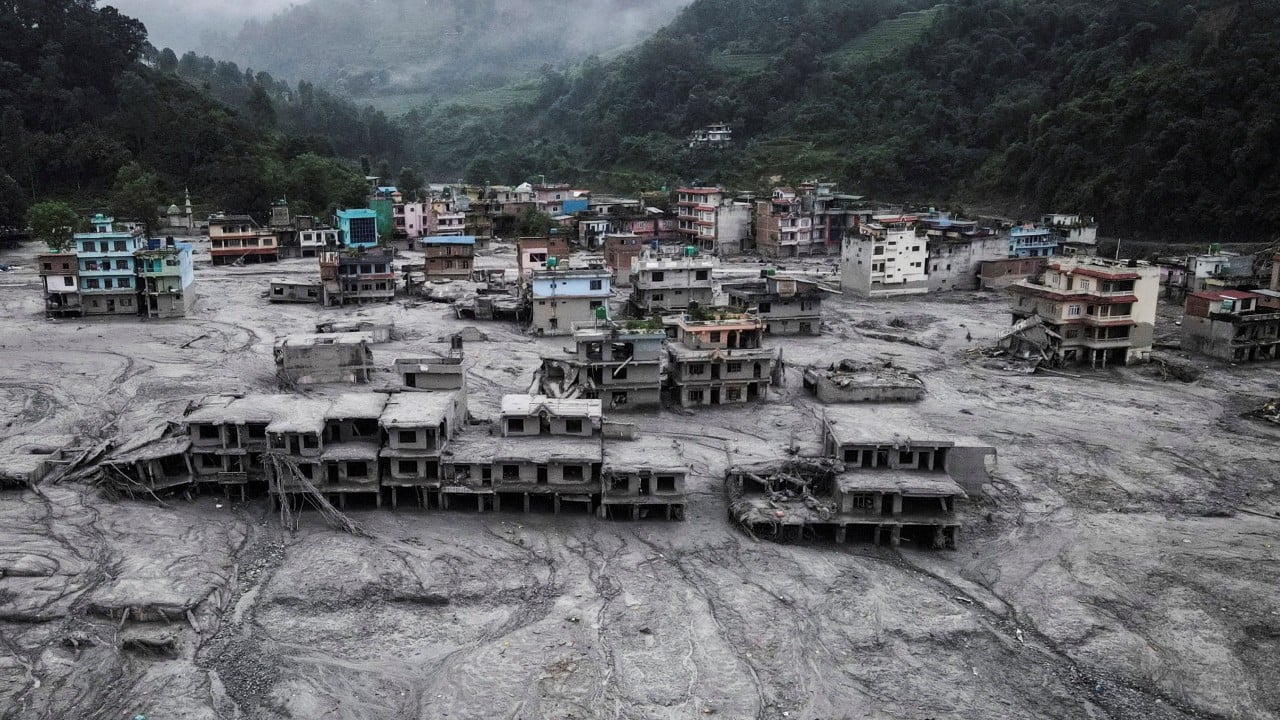
Taiwan is not a flat plain where rain drains lazily toward the coast. More than two-thirds of the island is rugged mountain terrain, with peaks rising sharply over a narrow landmass. When moisture-laden air slams into those steep slopes, orographic lift forces air upward rapidly, cooling it and wringing out intense downpours over localized watersheds.
A hypothetical example illustrates how deceptive a forecast can look. Suppose a typhoon weakens from a high-end category equivalent down to a moderate system sixty miles offshore, prompting casual observers to expect a mild squall. Instead, its outer rain bands stall against a mountain ridge for twelve hours, dropping 600 millimeters of rain in a single day, swelling rivers past embankment limits, and washing out a two-lane highway that serves an entire township.
Wind shear and terrain interaction also distort local conditions. Even if peak core winds fall, gust fronts and shifting directional winds around valleys, bridges, and coastal approaches create severe operational hazards. What looks manageable on a regional map can turn violent inside a narrow river gorge or along an exposed runway.
The Economics Behind Mass Flight Cancellations
Aviation operates on tight margins and zero tolerance for guesswork. When hundreds of flights are cancelled ahead of a storm like Typhoon Champi, airlines are not merely reacting to rain at the departure gate. They are managing a complex, interlocking schedule across regional hubs.
An aircraft does not stay in one place. A single jet might fly from Tokyo to Taipei, turn around for Hong Kong, head to Singapore, and return late at night. If weather closes or restricts an airport for six hours, aircraft rotation breaks down across multiple cities, leaving crews out of position and planes stranded where maintenance or overnight parking is scarce.
Airlines also factor in fuel and diversion math. Flying into deteriorating weather requires carrying extra holding fuel, which reduces payload capacity and can force weight restrictions on passengers or cargo. If a plane enters a holding pattern and cannot land, diverting to an alternate airport burns time, strains ground handling elsewhere, and creates cascading delays that take days to unwind.
Why Carriers Cancel Early Instead of Waiting It Out
Passengers often ask why flights are scrubbed hours or even a full day before a weakening storm arrives. Waiting until the last minute carries steep operational penalties.
- Crew duty limits strictly cap how long pilots and flight attendants can work in a single shift or week. Once a crew times out on the tarmac or at a diversion airport, the airline cannot legally fly that aircraft until rest rules are satisfied.
- Ground safety thresholds halt baggage loading, refueling, and catering when lightning comes within a set radius or sustained gusts cross safety limits. Ramp workers cannot safely stand near high-sided equipment in swirling winds.
- Passenger rebooking logistics become far harder when thousands of travelers are already inside terminals. Early cancellations give airlines a window to reroute bookings, notify hotels, and avoid chaotic terminal bottlenecks.
Still, early mass cancellations are not a flawless solution. They can strand travelers unnecessarily if a storm shifts track at the last hour or loses organization faster than models projected. Airlines weigh the financial hit of empty seats and refunds against the far higher cost of stranded aircraft, safety incidents, and regulatory scrutiny.
Inside Taiwan's Shutdown Playbook
Few places on earth manage severe weather closures as methodically as Taiwan. Local governments rely on established typhoon day protocols that suspend work and classes when forecast wind speeds or rainfall thresholds cross specific benchmarks within a set window.
That system protects lives. Keeping millions of commuters off scooters, highways, and elevated rail lines reduces traffic accidents, flash-flood drownings, and injuries from flying debris. When a typhoon is approaching, a scooter rider is far more vulnerable than someone sitting in a steel-framed office building, and rush-hour gridlock can turn a sudden downpour into a life-threatening trap.
Yet economic friction is the unavoidable price tag. Every day of shutdown halts retail foot traffic, delays construction, slows port operations, and forces factories or service businesses to juggle shift schedules and overtime. Small businesses with thin cash reserves feel the pinch immediately, while hourly workers may face lost wages or complicated make-up arrangements depending on sector norms and company policy.
A shutdown is a blunt instrument by design. It sacrifices a day of normal commerce to avoid paying a much heavier bill in human lives and damaged infrastructure.
There is an ongoing tension in how strict those triggers should be. If authorities set thresholds too loosely and a storm overperforms, people get caught in transit during peak danger. If authorities shut everything down too readily for a weakening system that brushes past with modest rain, businesses and residents grow cynical about the disruption.
Infrastructure Stress Points Beyond the Airport
Airports get the loudest headlines when hundreds of flights vanish from departure boards, but the deeper test plays out across lifeline infrastructure. Power grids, telecom lines, water treatment plants, and mountain roads absorb the real physical punishment.
Salt spray and flying branches can trip high-voltage lines or cause localized outages, even without extreme winds. Heavy runoff raises turbidity in reservoirs and rivers, forcing water utilities to slow intake or adjust treatment processes so mud does not clog filtration systems. Meanwhile, saturated soil weakens hillsides, raising the risk of rockfalls and landslides along rail corridors and rural routes.
Emergency crews preposition generators, water pumps, and heavy machinery ahead of landfall. That preparation is routine, unglamorous work that rarely makes international wire stories unless something goes wrong, yet it determines how fast normal life resumes once the rain eases.
Forecasting Limits and Public Trust
Weather science has come a long way, and satellite imagery, radar networks, and numerical models give forecasters far clearer visibility than they had a generation ago. Even so, forecast uncertainty remains a stubborn reality near complex coastlines.
A slight wobble in a storm's track, a shift in steering currents, or subtle interaction with high-altitude winds can change rainfall totals dramatically over a distance of thirty miles. A weakening typhoon is especially tricky because its internal structure is changing. Losing a tight eyewall can sometimes allow outer rain bands to spread wider or linger longer over land.
Public trust sits right at the center of this dynamic. Over decades, Taiwanese residents have learned to take official warnings seriously because the stakes are real and the consequences of ignoring a bad storm are well documented. That hard-earned credibility is an asset that no single forecast model can replace.
At the same time, credibility is fragile. Clear communication about why a weakening system still warrants flight cancellations or school closures matters just as much as the alert itself. When officials and airlines explain that rain, crosswinds, or downstream schedule disruptions drive the decision—rather than pretending the storm is stronger than it is—people understand the trade-offs even when they are frustrated by cancelled plans.
What Travelers and Planners Miss During a Storm
Anyone traveling through or operating in the region during a system like Typhoon Champi tends to fixate on the moment of closest approach. Experienced logistics planners look at the recovery window instead.
When a typhoon passes or weakens away, operations do not snap back like a light switch. Airports have to inspect runways, clear debris, reposition displaced aircraft, and work through backlogs of passengers whose flights were scrubbed over multiple days. A traveler booked two days after a storm can still get caught in cascading delays if aircraft and crews are out of place.
Road and rail operators face similar post-storm checks. Bridges, mountain passes, and tracks require inspection after heavy rain to make sure water did not scour foundations or loosen slopes. Sometimes the most hazardous landslides happen after the hardest rain stops, once the ground is completely saturated and gravity takes over.
Preparation works best when it is practical rather than dramatic. Checking airline policies directly rather than relying on third-party alerts, keeping essential medications and power banks charged before power dips, and building buffer time into regional itineraries turn a chaotic weather event into a manageable delay. Respecting a weakening storm is not overreacting; it is recognizing that water, terrain, and complex systems do not care about optimistic headlines.