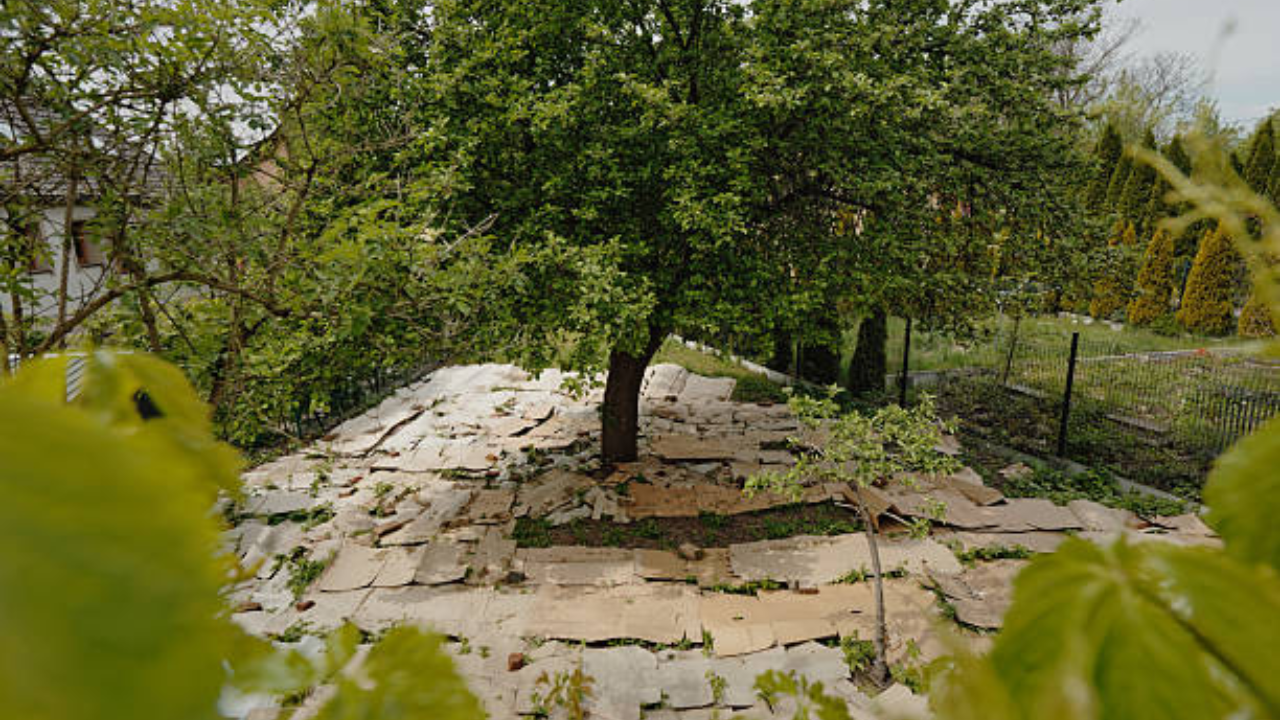
Reporting a headline comparison of 15% weed cover in cardboard-mulched garden beds against 45% in tilled beds captures a real operational contrast in weed suppression, yet treating those two figures as a complete verdict misses the underlying soil mechanics. A two-thirds reduction in surface weed cover changes labor requirements, seedbank dynamics, and crop-weed competition, but weed cover alone measures a snapshot of visible canopy rather than total weed pressure, perennial survival, or long-term soil health. To evaluate cardboard sheet mulching against mechanical tillage rigorously, growers need a structured model that separates surface occlusion from soil ecology, tracks labor and material trade-offs, and defines when cardboard works and where it breaks down.
Why Headline Weed Cover Numbers Are Incomplete Metrics
Percentage weed cover estimates the fraction of a plot's surface area visually occupied by weed foliage at a given observation point. While intuitive for field scouting, a single percentage compresses several distinct ecological variables into one number. For an alternative perspective, read: this related article.
- Species composition: Ten percent cover of shallow-rooted annual chickweed behaves very differently from ten percent cover of deep-rooted perennial Canada thistle or quackgrass, which can draw on extensive root reserves and resprout after top-growth removal.
- Weeding labor and timing: A bed with 15% cover made up of dense, established weeds at seed set demands far more hand-pulling and seedbank management than a bed with higher early cover of small, easily severed seedlings before flowering.
- Seedbank replenishment: Any weed allowed to produce viable seed resets future baseline weed pressure regardless of what percentage of the bed looked clean mid-season.
- Crop competition: Weeds growing directly inside the crop row or overtopping slow-germinating direct-seeded crops cause disproportionate yield loss compared to weeds confined to walkways or peripheral margins.
Headline figures comparing cardboard beds to tilled beds are therefore best read as an indicator of early-season barrier performance rather than a complete measure of agronomic control. When a trial reports lower weed cover under cardboard, the primary takeaway is that physical light exclusion temporarily suppresses emergence—not that the underlying weed seedbank or rhizome network has been permanently eliminated.
Deconstructing the Competitor's Premise and Missing Causal Links
A surface-level reading of the 15% versus 45% comparison assumes a direct, one-step cause: laying down cardboard stops weeds, whereas tilling leaves weeds behind. In practice, both tillage and cardboard sheet mulching operate through multi-stage causal chains with opposite effects on soil structure, seed placement, and microbial activity. Related reporting on this trend has been shared by Apartment Therapy.
What Mechanical Tillage Actually Does
Tillage mechanically fractures soil aggregates, incorporates surface residue, and loosens compaction in the plow or rototiller zone. That physical disruption creates a second-order effect that headlines often overlook: bringing buried weed seeds up into the shallow germination zone where light, temperature fluctuations, and moisture trigger emergence.
At the same time, tillage can sever perennial roots and rhizomes into smaller fragments. For species capable of vegetative propagation from root pieces—such as field bindweed, quackgrass, or certain docks—mechanical chopping can multiply viable propagules across the bed rather than destroying them. Meanwhile, repeated soil inversion accelerates organic matter oxidation and disrupts fungal hyphal networks, trading short-term seedbed tilth for faster organic matter turnover and greater vulnerability to crusting or erosion after heavy rain.
What Cardboard Mulching Actually Does
Cardboard acts primarily as a temporary physical barrier and carbon-rich surface layer. By blocking sunlight, a continuous layer of corrugated or heavy kraft cardboard prevents photoblastic weed seeds from receiving the light cues many small-seeded annuals need to germinate, and it starves emerging shoots of photosynthetic energy before they reach open air.
However, the cause-and-effect chain does not stop at light exclusion. As moisture and soil organisms act on the cardboard, the paper softens, breaks down, and integrates into the soil surface. Two operational consequences follow:
- Barrier erosion over time: Cardboard is a transient barrier, not permanent fabric. Once decomposition thins the layer or seams separate, surviving perennials, aggressive stoloniferous weeds, or wind- and bird-deposited seeds on top of the mulch can establish.
- Nitrogen immobilization at the interface: High-carbon cellulosic material decomposing in contact with soil can temporarily tie up available mineral nitrogen at the mulch-soil boundary if uncomposted high-carbon layers sit directly where shallow roots feed, though top-dressing with finished compost or manure helps buffer crop nutrition.
The Four Pillars of Bed Preparation Performance
Comparing bed preparation methods rigorously requires evaluating them across four operational pillars rather than relying on weed percentage alone.
- Suppression durability: How long the method continues to block emergence and root regrowth across a full growing season and into subsequent years.
- Soil physical and biological integrity: How the method affects aggregate stability, pore space, water infiltration, earthworm activity, and mycorrhizal networks.
- Input and labor cost function: The combined cost of materials (cardboard sourcing, transport, tape/label removal, top-dress compost) and time (hauling, laying, overlapping, and maintenance weeding).
- Crop establishment fit: How easily direct-seeded crops, transplants, and root vegetables can be planted and harvested without physical obstruction or root deformation.
Cost Function and Operational Trade-Offs
In practical bed management, zero-cost weed control rarely exists; costs simply shift between materials, machinery, and manual labor. Tilling typically requires equipment access, fuel or electricity, and time spent working the soil—often followed by repeated shallow cultivation flushes as newly exposed weed seeds germinate. Cardboard mulching lowers early-season cultivation labor in many setups, yet introduces material sourcing, box preparation (removing tape, staples, and glossy coatings), overlapping seams so light does not leak through, and securing sheets against wind.
A common operational mistake is treating cardboard as a "set-and-forget" installation without accounting for edges and overlaps. If sheets butt together without a generous overlap—often several inches—light penetrates the gap and creates narrow strips of vigorous weed growth right along the seams. Similarly, leaving cardboard exposed without a top layer of compost or mulch exposes it to wind lift, drying, and uneven breakdown.
Known Mechanisms vs Educated Hypotheses in Mulch Trials
Rigorous analysis requires separating established agronomic mechanisms from site-specific hypotheses when interpreting trial results like a 15% versus 45% cover split.
Established mechanisms include the role of light exclusion in suppressing germination of light-requiring weed seeds, the tendency of soil disturbance to bring dormant seeds closer to the surface where germination conditions improve, and the gradual decomposition of cellulose by soil fungi, bacteria, and detritivores. It is also well established that perennial weeds with deep taproots or extensive creeping rhizomes pose a greater challenge to shallow surface mulches than shallow-rooted annuals.
Educated hypotheses arise when extending a single trial's percentages to a different garden or farm. Without knowing the exact soil texture, climate, dominant weed species, cardboard thickness, top-dress depth, and date of weed cover measurement, claiming that cardboard will always cut weed cover by two-thirds is a hypothesis rather than a guarantee. For example, a plot dominated by quackgrass or nutsedge may push through seams or margins faster than a plot dominated by annual pigweed or lambsquarters, and heavy clay soils under high rainfall behave differently from sandy loams in arid climates.
Practical Execution Framework for Cardboard Beds
When deploying cardboard to suppress weeds in garden beds, disciplined execution determines whether the barrier performs cleanly or fails prematurely.
- Audit weed species and clear tall growth first: Cut or mow tall weeds and remove seed heads before laying cardboard so mature seeds are not dropped into the bed and woody stems do not tent or puncture the paper.
- Select clean, plain cardboard: Use plain corrugated cardboard or heavy kraft sheets, removing packing tape, plastic labels, and heavy synthetic coatings that do not decompose cleanly in the garden.
- Overlap sheets generously and wet them down: Overlap edges by at least four to six inches so light cannot sneak through gaps, and thoroughly moisten the cardboard as you lay it so it conforms to micro-topography and stays anchored.
- Top with compost or organic mulch: Cover the cardboard with finished compost or another suitable mulch layer to hold it in place, improve planting medium for transplants or direct seeding, and accelerate biological integration.
- Scout seams, edges, and perennial pressure points: Inspect bed borders and overlaps regularly during the season and spot-pull or sever any escaping weeds early before they set seed or build large root reserves.
Limitations and Edge Cases No Mulch Solves
Cardboard sheet mulching has clear operational limits that experienced growers plan around rather than ignoring. Cardboard does not sterilize soil or kill deep perennial root systems on contact; persistent perennials may creep in from unmulched edges or emerge where seams thin. In addition, thick, unperforated layers of cardboard can temporarily restrict downward water movement or root penetration if placed too heavily right over a planting zone without proper top-dressing or planting holes cut cleanly through the barrier.
Sourcing large quantities of clean cardboard can also become a bottleneck at scale. Food-service or retail boxes may carry residue, adhesives, or inconsistent thicknesses, and hauling bulky sheets takes time and storage space. Where clean cardboard is scarce or expensive, alternatives such as thicker compost/woodchip layers, stale seedbed techniques, or targeted cultivation may offer a better balance of cost and control.
Strategic Play for Your Next Bed Cycle
Treat a headline comparison like 15% versus 45% weed cover as a prompt to measure total weed pressure and labor hours on your own beds rather than a universal rule. Run a side-by-side test on two comparable beds this season—one using well-overlapped, compost-topped cardboard and one using your standard cultivation method—and track three concrete metrics: minutes spent weeding per bed, dominant weed types appearing, and weed count before seed set. Use the bed that delivers lower cumulative weeding time and cleaner crop growth without soil damage as your default template for the next cycle, adjusting material thickness and edge management to match the exact weeds present on your site.