The air does not move. That is the first thing you notice when the fifth wave arrives. It sits heavily against the skin, thick with a stillness that feels intentional, like a held breath before a confession.
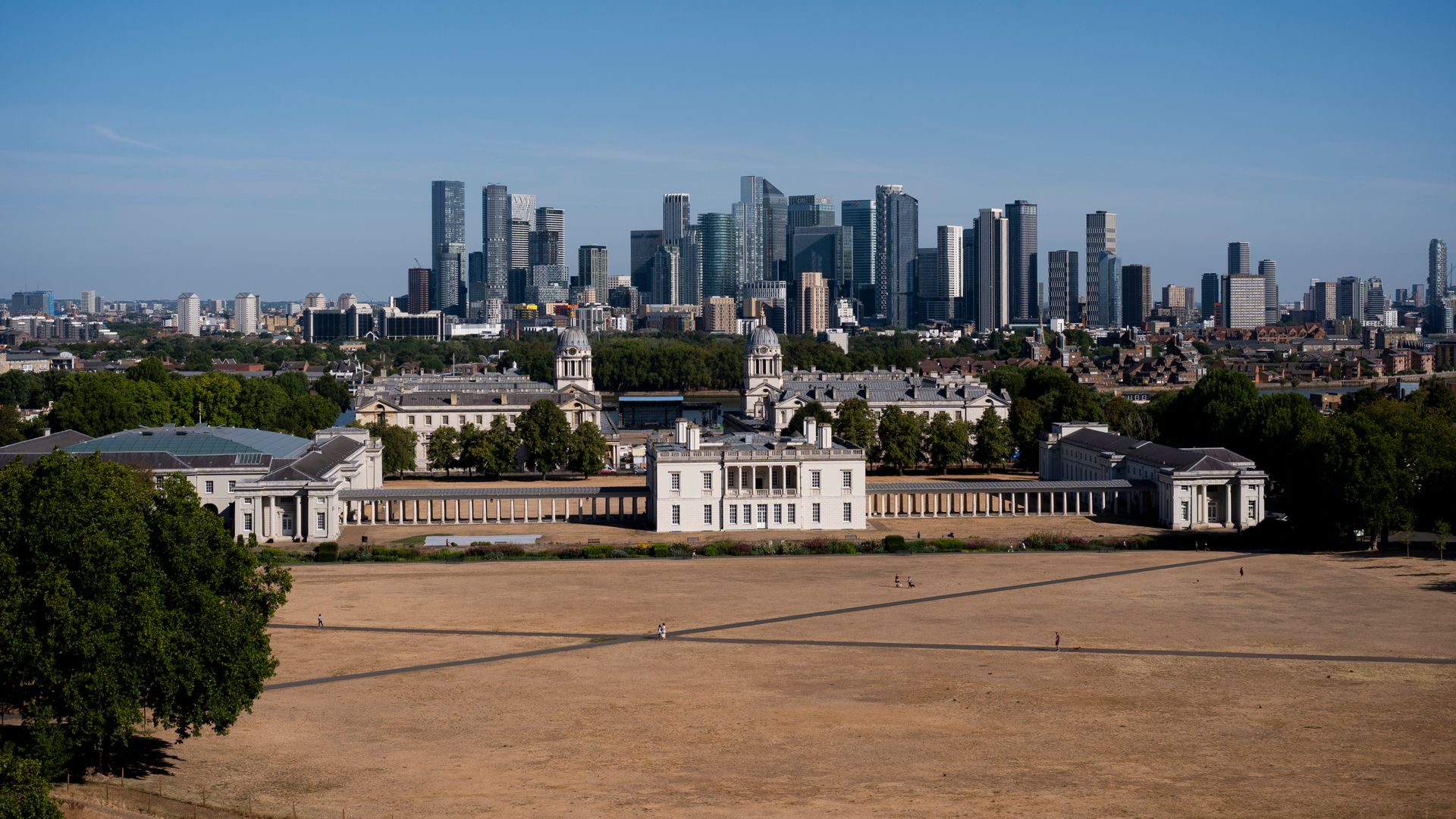
Look out the window of a third-floor apartment at two in the afternoon. The asphalt on the street below is not just black; it is shimmering, mirage-bent, radiating a low, relentless hum of thermal energy that refuses to dissipate even as the sun begins its slow descent. This is not summer. Summer is a season of open windows and long evenings on the porch. This is something else entirely. This is an atmospheric siege, and the walls are closing in.
Meteorologists call it a heat health alert. Bureaucrats track it in spreadsheets of rising mercury and projected hospital admissions. But for the people living through it, the reality is far more tactile. It is the sound of box fans whirring at maximum capacity, straining against an impossible load. It is the smell of dry dust baking on window screens. It is the quiet panic of checking the weather app for the third time in an hour, hoping against logic that the numbers have somehow dropped.
They haven't. They never do during the fifth wave.
To understand why this wave feels different—why the air itself feels predatory—we have to look at the cumulative exhaustion of the earth. The first wave catches us off guard. We marvel at the clear skies, we complain about the commute, we buy ice cream. The second wave tests our patience. By the third, tempers fray, and the elderly start staying indoors. The fourth wave grinds municipal infrastructure down to a stuttering halt, buckling rail lines and overloading transformers.
Then comes the fifth.
By now, the ground has baked dry. The soil has surrendered its moisture, turning to powder. Urban centers have transformed into monolithic heat islands, concrete and steel absorbing the punishment of the day and radiating it back out all through the night, denying anyone the mercy of cooling relief. When the sun goes down, the temperature stays stubbornly high. The body gets no break. The heart beats faster, pumping desperately to cool core organs that are steadily losing the battle against ambient physics.
Consider a hypothetical postal worker named Arthur, fifty-eight years old, walking his route in the early afternoon glare. Arthur is not a statistic yet, but he is a candidate for one. He knows the signs, or at least he thinks he does. A mild headache. A strange, metallic taste in the back of his mouth. The heavy, sluggish feeling in his limbs that he chalks up to a bad night's sleep. He tells himself he has carried mail through worse. He tells himself he can make it to the end of the block.
That narrative—the stubborn refusal to yield to an invisible threat—is what lands people in emergency rooms. Heat is an insidious adversary because it does not announce itself with the sudden violence of a flood or a gale. It whispers. It creeps into the nervous system, muddies cognitive function, and convinces you that you are fine right up until the moment your knees buckle.
The human body is an engine designed to cool itself through evaporation. Sweat forms, air passes over the skin, heat dissipates. Simple. Elegant. But physics has a breaking point. When the relative humidity climbs alongside the temperature, the air can hold no more moisture. Sweat stops evaporating. It simply rolls off the skin, useless. The internal radiator fails. Core temperature rises. Confusion sets in. Organ systems begin to stutter and shut down, one by one, in a silent cascade.
This is why heat health alerts are issued with such grim urgency. They are not merely weather forecasts. They are early warning systems for a silent catastrophe.
Public health officials watch the data streams with a specific kind of dread. They know that mortality curves lag behind temperature peaks by about twenty-four to forty-eight hours. The hottest day is rarely the deadliest day. The deadliest day is the one after, when the body has tried and failed to recover through a sleepless, stifling night, when the cumulative strain finally breaks the weakest links in the biological chain.
We like to think we are masters of our environment. We build climate-controlled boxes—homes, offices, cars—and pretend the natural world outside is just a backdrop for our daily routines. But extreme heat strips away that illusion with brutal efficiency. A blown transformer, a rolling blackout, or a broken air conditioner suddenly turns a modern sanctuary into a pressure cooker.
Inequality wears a thermometer during these waves. The impact is never distributed evenly. In leafier neighborhoods, mature tree canopies cast deep, cooling shadows, lowering ambient street temperatures by several degrees. In dense urban sectors dominated by dark roofs and asphalt, with few trees and fewer resources, the heat concentrates like water in a funnel. A single neighborhood can be five to ten degrees hotter than another just a few miles away.
Arthur the postal worker drinks from his lukewarm water bottle, wiping salt from his eyes. He looks at a row of brick houses. Behind those closed windows, elderly residents sit in darkened rooms, drawing blinds to block the glare, rationing their electricity bills against the cost of running a window unit twenty-four hours a day. Some of them won't turn the AC on. They will worry about the bill. They will tell themselves they can tough it out.
And that is where the real tragedy of the fifth wave takes root. It exploits our pride, our frugality, and our stubborn habit of normalizing the abnormal. We look at the red maps on the evening news, shake our heads at the numbers, and assume that because the sun has set, the danger has passed.
The air outside remains thick, heavy, and hot. Somewhere down the street, a transformer hums a high, stressed note, vibrating against the quiet of the night. The window fan rattles in its frame, pushing warm air into a warm room, spinning endlessly against the tide.