The coffee in the glass cup on the trading floor had gone completely cold hours ago, forming a thin, oily ring just beneath the rim. It sat ignored next to a Bloomberg terminal that flashed green and red numbers like a neon pulse in the dark.
Midnight in Hong Kong smells like damp concrete, jet fuel, and high-frequency anxiety.
Down on the North Asia desk, the air conditioning hummed a low, mechanical drone that masked the silent panic of a changing guard. For months, the desk had been running on fumes, a skeleton crew of weary analysts and battle-scarred directors trying to catch falling knives in a volatile market. Then came the pivot. A sudden, aggressive surge of bodies. Twenty-five percent more desks occupied. Twenty-five percent more keyboards clacking through the small hours.
To the casual observer scanning a quarterly spreadsheet, it looked like a simple corporate expansion. A headcount adjustment. A footnote in an investor relations deck.
It was nothing of the sort.
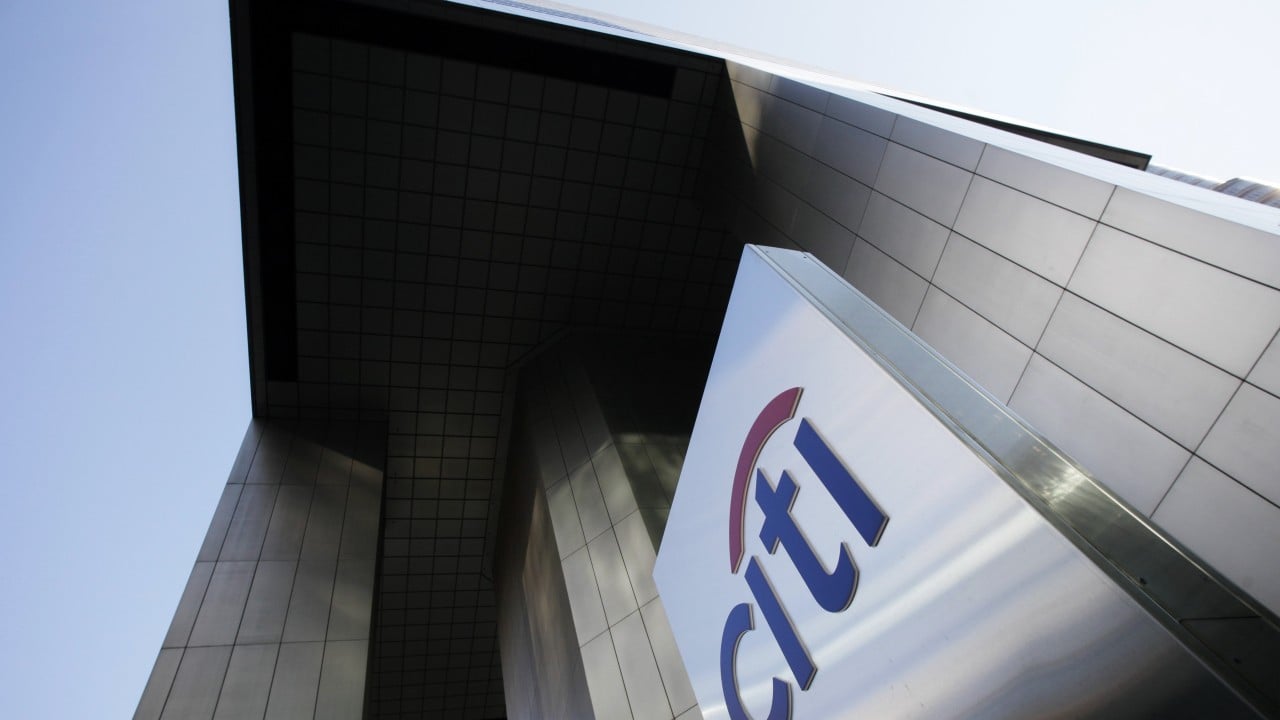
It was a declaration of war fought with balance sheets. Citigroup was planting flags in the concrete, doubling down on a region that Wall Street had collectively labeled too complicated, too politically charged, and frankly, too exhausting to bother with. While other institutions packed their bags and retreated to the safety of domestic shores, retreating into defensive postures, this desk was stocking up on ammunition.
Picture David, a fictional thirty-four-year-old associate who hasn't seen his apartment in Kowloon for three consecutive nights. His eyes are bloodshot, reflecting the neon glow of a spreadsheet modeling cross-border capital flows. He is not just pushing numbers; he is the literal human friction point between Western liquidity and Eastern ambition. When a multinational corporation needs to thread a billion dollars through the eye of a regulatory needle across three different jurisdictions before the Tokyo bell rings, David is the one who stops breathing so the deal can live.
When a desk expands by a quarter overnight, it does not mean business is easy. It means the complexity has scaled exponentially. It means every single deal now requires three layers of cross-examination, an army of compliance officers whispering warnings in the dark, and structural architects who can build financial bridges over boiling water.
Thousands of miles away, in the manicured, art-strewn offices of Invesco, a different kind of quiet drama was unfolding.
Names matter in high finance. They are currency. They are shorthand for trust, history, and the invisible weight of capital allocation. When the firm tapped its new Asia-Pacific head, the announcement was treated by the financial press with the usual sterile detachment. A press release. A headshot. A resume boasting decades of institutional survival.
Strip away the corporate PR speak, and the appointment represents a desperate, beautiful gamble on human gravity.
Money does not move itself. It flows toward confidence. It runs away from uncertainty. In the sprawling, fragmented theater of Asia-Pacific wealth management, retail investments, and institutional funds, a single leader acts as the conductor of a massive, unruly orchestra. If the conductor misses a beat, trillions of dollars wobble.
Consider what happens when institutional giants make these massive structural bets. They are not reacting to yesterday's headlines. They are trying to read the weather report for 2030. They see the generational transfer of wealth across the Pacific. They see the stubborn, resilient pulse of Asian entrepreneurial capital looking for a permanent home outside of traditional domestic borders. They know that if you do not own the ground floor of this ecosystem today, you will be paying rent to someone else tomorrow.
Yet, behind the polished glass doors and the executive handshakes, there is a profound human cost that balance sheets refuse to show.
There are the missed birthdays. The silent marriages strained by time zones. The quiet burnout of junior analysts who realize that the prestige of the logo on their ID badge comes with a heavy toll on their youth. The numbers go up. The desks multiply. The headcount swells. And somewhere in the middle of it all, human beings are trading their sleep for the transient thrill of moving decimal points across an ocean.
Finance is often taught as a science of cold equations, interest rate curves, and probabilistic models. It is a lie. At its core, global finance is an intensely emotional enterprise driven by fear, greed, stubborn hope, and the desperate human need to control the future.
When Citigroup bolsters its ranks and Invesco places its new captain at the helm, they are throwing bodies and brilliance against the void, hoping to build something that outlasts the next market crash.
The screens never sleep. The neon numbers keep flashing. And somewhere on the North Asia desk, the cold coffee sits forgotten while another quiet war for the future of global wealth is quietly won or lost.