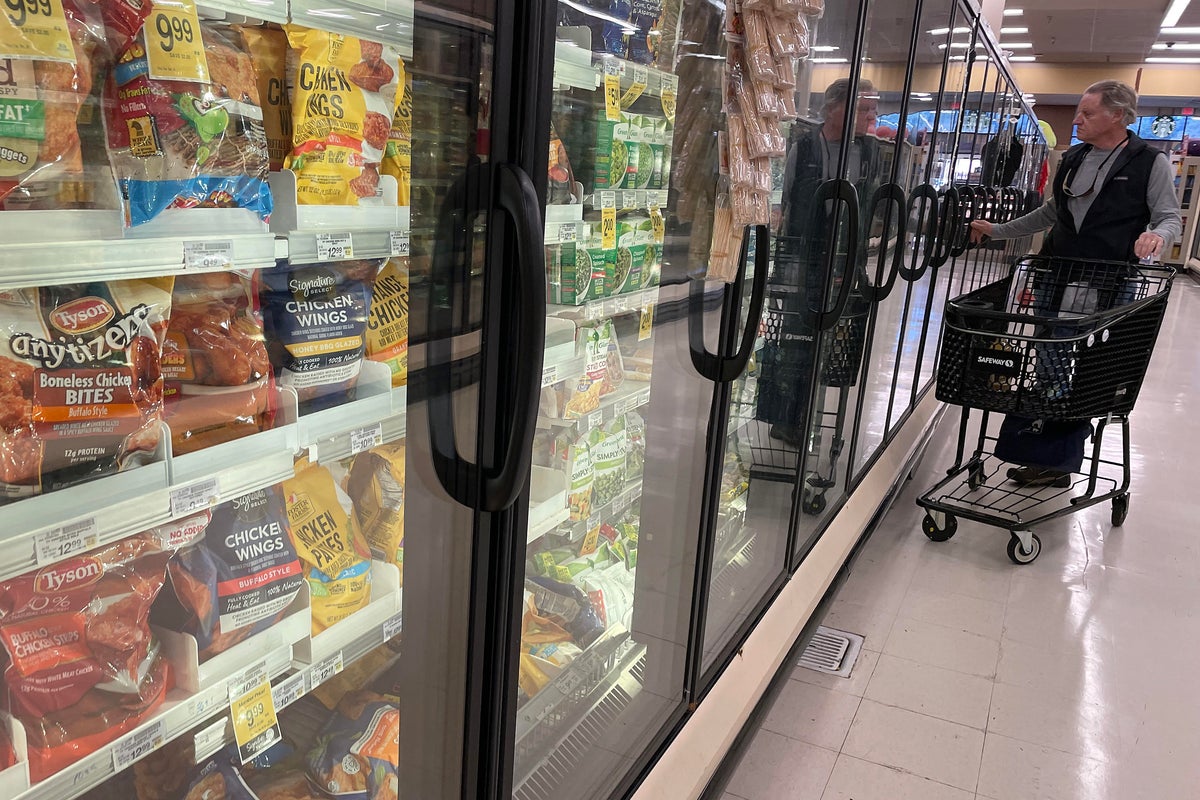
The frozen food aisle used to be a graveyard of sodium-soaked cardboard and mystery meats. You bought them because you were tired, lazy, or just plain gave up on cooking for the night. But things have changed. If you walk down that same aisle today, you’ll see something different. The neon-orange "diet" boxes are being replaced by sleek, high-protein meals designed specifically for people on GLP-1 medications like Ozempic and Wegovy.
The pharmaceutical boom isn't just shrinking waistlines. It’s rewriting the business model for some of the biggest food companies on the planet.
For decades, the food industry relied on us being hungry all the time. They perfected "craveability"—that precise mix of salt, sugar, and fat that keeps you reaching back into the bag. Then came semaglutide. These drugs don't just slow down digestion; they shut off the "food noise" in your brain. Suddenly, the idea of eating a 1,200-calorie deep-dish frozen pizza feels physically impossible. Food giants like Nestlé and Conagra noticed the shift early. They didn't panic. They pivoted.
We've entered the era of the companion meal. It’s a fascinating, slightly weird moment where the people selling you the food are now catering to the fact that you want less of it.
The Death of the Traditional Diet Meal
Forget Lean Cuisine as you knew it. The old-school strategy for "diet" frozen food was simple: take a normal meal, make it smaller, and remove the flavor. It was about deprivation. If you were on a diet in 2005, you ate a tiny portion of watery lasagna and stayed hungry.
That doesn't work for someone on a GLP-1. When you’re on these medications, your appetite is suppressed, but your nutritional needs stay the same. You might only feel like eating 400 calories, but those calories better be packed with protein and fiber. If they aren't, you start losing muscle mass instead of just fat. You get "Ozempic face." You feel like garbage.
Food companies realized they had to stop selling "less" and start selling "density." Nestlé’s new Vital Pursuit line is the loudest example of this shift. They aren't marketing these as weight loss meals. They’re marketing them as "nutritional support." They've swapped out the empty carbs for things like cauliflower crusts, chickpea pastas, and heavy hits of lean protein.
It's a smart play. They’re moving away from the shame-based marketing of the "Weight Watchers" era and moving toward a functional, almost medicalized approach to eating. It’s not about losing weight anymore; it’s about "maintaining your journey."
Why Protein is the New Currency
If you talk to anyone who’s been on Wegovy for more than a month, they’ll tell you the same thing: protein is everything. Without it, the fatigue hits hard. The frozen food industry has turned protein into a sort of nutritional gold standard.
We're seeing a massive surge in "pro-active" ingredients in the freezer case. It’s no longer enough to have 10 grams of protein. Now, brands are aiming for 20 or 30 grams in a single-serve bowl. This isn't just for bodybuilders anymore. It’s for the suburban mom who can only manage to eat half a bowl of chicken and quinoa before she feels full.
Conagra, the parent company behind brands like Healthy Choice, has reported that their "Power Bowls" are seeing a huge spike in interest. Why? Because they fit the GLP-1 profile perfectly. They’re high in fiber, high in protein, and don't rely on heavy sauces that might trigger nausea—a common side effect of these drugs.
The industry is also ditching the "low-fat" craze. People on weight loss drugs need healthy fats to keep their hormones in check, even if they aren't eating much. We're seeing more avocado oil, more nuts, and more whole-food ingredients. The goal is to make every bite count. Honestly, it’s about time.
The Shrinking Portion Paradox
There’s a weird tension in the boardrooms of Big Food. On one hand, they want to sell you more food. On the other, their best customers are suddenly eating 30% less than they used to.
According to data from Morgan Stanley, GLP-1 users consume significantly fewer calories and skip snacks more often. This could potentially wipe out billions in revenue for snack food companies. So, how do you stay profitable when people stop overeating?
You raise the price per bite.
By rebranding frozen dinners as "vital" or "premium nutrition," companies can justify a higher price point for a smaller amount of food. You’re paying for the convenience of not having to think about your macros. You're paying for the peace of mind that you won't get a stomach ache because the meal is too greasy.
It’s a masterclass in adaptation. If the volume of sales goes down, the value of each sale must go up. We’re seeing a shift from "value packs" to "functional packs." This isn't a bad thing for the consumer, necessarily. Most of us would benefit from eating higher-quality ingredients in smaller amounts. But it does mean the end of the "cheap" frozen dinner. The $2 pot pie is being replaced by the $8 "lifestyle bowl."
The Science of Flavor When You Aren't Hungry
Eating on Ozempic is a chore for many. When the "food noise" is gone, eating becomes a mechanical task. This presents a unique challenge for food scientists. How do you make food taste good to someone who doesn't actually want to eat?
The answer lies in "bright" flavors. Heavy, creamy, or overly sweet foods often become repellant to people on GLP-1s. Instead, there's a move toward acidity, spice, and freshness. Think lemon-herb chicken instead of fettuccine alfredo. Think ginger and chili instead of corn syrup-based BBQ sauce.
Companies are also looking at texture. If you’re only going to eat six bites of something, those bites need to have some crunch and variety. Mushy frozen food is officially out. Frozen food tech has improved to the point where flash-frozen vegetables actually retain their snap. This isn't just a luxury; for someone struggling with medication-induced "food apathy," it’s a necessity.
How to Navigate the New Freezer Aisle
If you’re one of the millions of people using these medications, or if you’re just trying to eat better, you need to look past the marketing. Just because a box says "Vital" or "Power" doesn't mean it’s actually good for you.
Check the protein-to-calorie ratio first. A good rule of thumb for GLP-1 support is at least 1 gram of protein for every 10 calories. If a meal is 400 calories, you want at least 30 or 40 grams of protein. If it’s mostly rice and sauce, put it back.
Fiber is the second thing to watch. These drugs slow down your gut. If you aren't getting enough fiber, you’re going to be miserable. Look for meals that include whole grains, beans, or cruciferous vegetables. Avoid anything with "modified food starch" high up on the ingredient list. That's just filler that’ll make you feel bloated without providing any real nutrition.
Stop buying the "ultra-processed" stuff. Even in the frozen section, you can find meals that are basically just frozen whole foods. If you can recognize every ingredient in the bowl, you're winning.
The era of the "TV dinner" might be dead, but the era of the "performance meal" is just getting started. It’s a weird, drug-fueled evolution of the way we eat, and honestly, it might be the only thing that finally forces the food industry to stop selling us trash.
Start looking for brands that prioritize micronutrients over salt. Switch your focus from "how much can I get for $5" to "how much nutrition can I fit into this one meal." Your body will notice the difference, even if your brain isn't screaming for food anymore. Look for the "functional" labels next time you shop, but always flip the box over and read the actual numbers. The marketing is for the brand; the nutrition label is for you.