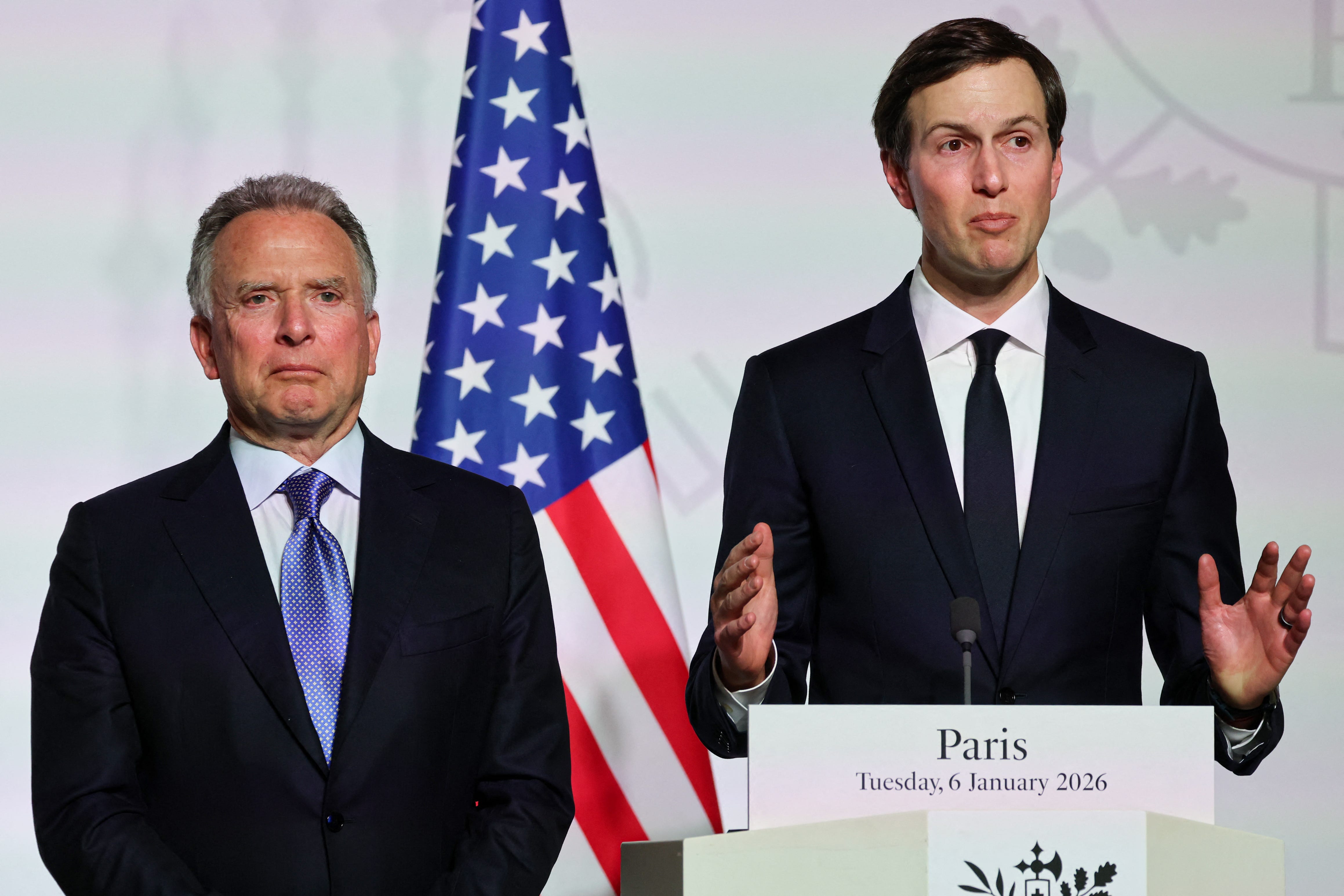
Foreign policy often follows strange pipelines. You don't usually expect the person overseeing a contentious presidential construction project to pop up in St Petersburg talking strategy with Vladimir Putin's inner circle. Yet that is precisely what happened when Rodney Mims Cook Jr, the chairman of the US Commission of Fine Arts and the key official tied to Donald Trump’s controversial White House ballroom extension, took a quiet diplomatic trip to Russia.
The mission bypassed standard diplomatic channels, relying instead on cultural ties, old friendships, and architectural preservation. While Washington deals with high-stakes legislative gridlock and bitter court battles over the multi-million-dollar East Wing demolition back home, backchannel diplomacy is quietly exploring alternative routes. Understanding why this happened requires looking past traditional statecraft and examining how unusual envoys operate when formal negotiations stall.
The Unlikely Diplomat in St Petersburg
Rodney Mims Cook Jr didn't arrive in Russia as a standard envoy from the State Department. Armed with a diplomatic passport and high-level security briefings, he attended the St Petersburg International Economic Forum—often styled as "Putin's Davos". No active American official had stepped foot at the forum since 2018, when Washington pulled the plug following escalating geopolitical tensions and subsequent sanctions.
Cook’s presence broke that multi-year freeze. His official portfolio in Washington centers on architecture and the ongoing oversight of the contested White House ballroom and its subterranean security structures. But in Russia, his focus shifted to decades-old relationships with cultural figures and senior Kremlin aides like Anton Kobyakov.
Rather than diving straight into heavy geopolitical demands, Cook leaned into a shared appreciation for historic preservation. He presented photographs of his own Atlanta dacha built in the Russian wooden vernacular style. He spoke at length about restoring historic Russian churches and public buildings—projects he has maintained since first traveling to the region in the 1990s. To a room full of Russian officials and dignitaries, many of whom face Western sanctions, it felt like a homecoming.
Trading Blueprints for Backchannels
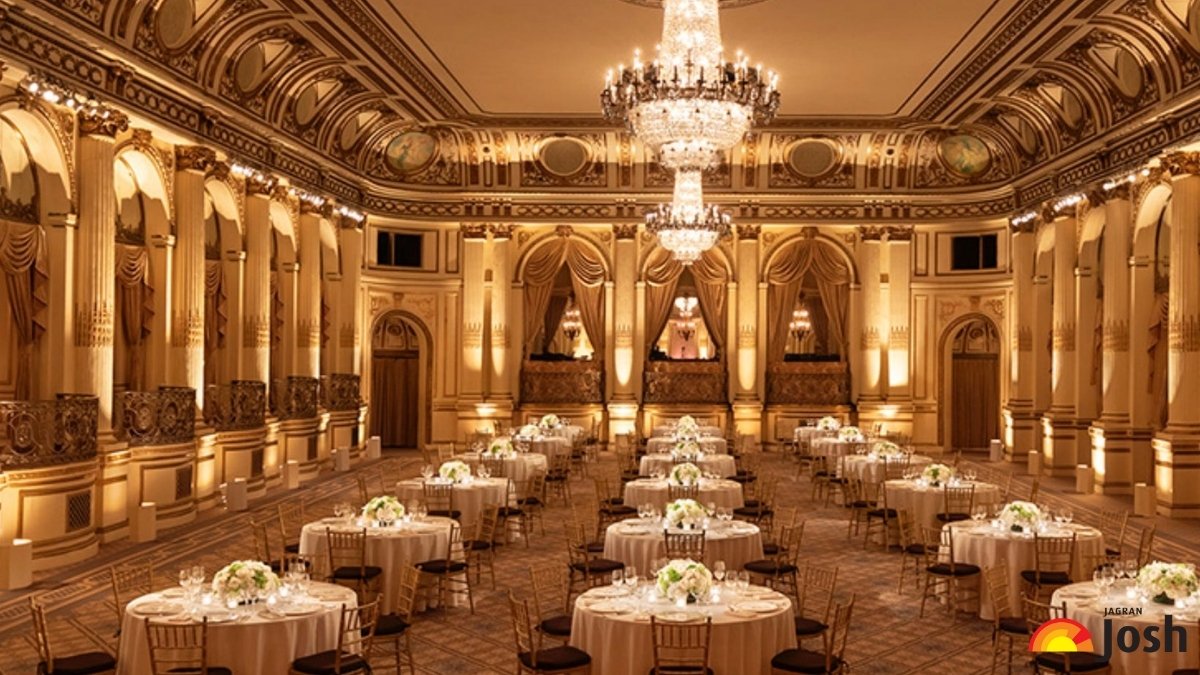
The timing of Cook's outreach is hard to ignore. Back in Washington, the Trump administration has been locked in a fierce legal battle over the construction of the White House ballroom and its integrated security complex. Critics and historical preservation groups have fought the project through federal appeals courts, arguing that the demolition of the East Wing lacks proper congressional authorization.
While domestic courts block aboveground work, international arenas see a different kind of construction project: trying to build a bridge toward a peace framework in Ukraine.
Administration officials defended the trip by pointing to the necessity of keeping lines of communication open. When Secretary of State Marco Rubio noted earlier in June that he was unaware of the specific delegation, it underscored how opaque modern shadow diplomacy can be. White House defenders maintain that utilizing unconventional figures allows the administration to test diplomatic waters without committing official negotiating capital prematurely.
During his time in Russia, Cook walked a fine line. He avoided explicitly addressing the ongoing war in Ukraine until the final moments of his cultural presentation, where he offered a stark appeal: "We must be at peace in order to achieve these goals... Help us do this".
Passing Messages to the Kremlin
The true weight of the visit materialized during interactions with the Russian leadership. On the sidelines of the forum, Cook passed along direct greetings from the White House, telling Vladimir Putin that President Trump sent a "good hello" and noting that the two capitals had plenty of ideas to discuss. Putin responded by noting that he had essentially "pushed the puck back" to Trump.
Cook even suggested that cultural ties and music could serve as a blueprint for a ceasefire framework, pointing to historical precedents where art survived devastating conflicts. Whether these cultural exchanges can translate into tangible diplomatic breakthroughs remains deeply uncertain. Skeptics point out that symbolic handshakes and discussions about historic dachas do little to alter the fundamental military realities on the ground in Eastern Europe.
Yet, the mission highlights a distinct style of engagement. The administration is willing to deploy unexpected messengers, leveraging personal histories and non-traditional portfolios to probe for weaknesses in diplomatic stalemates.
As the legal battles over architectural projects continue at home and global flashpoints remain tense, these quiet missions show that backchannels are open. They operate in the spaces between formal policy, relying on personal rapport rather than treaties. Whether this architectural detour yields lasting diplomatic results will depend entirely on how Washington and Moscow choose to build on these fragile foundations.