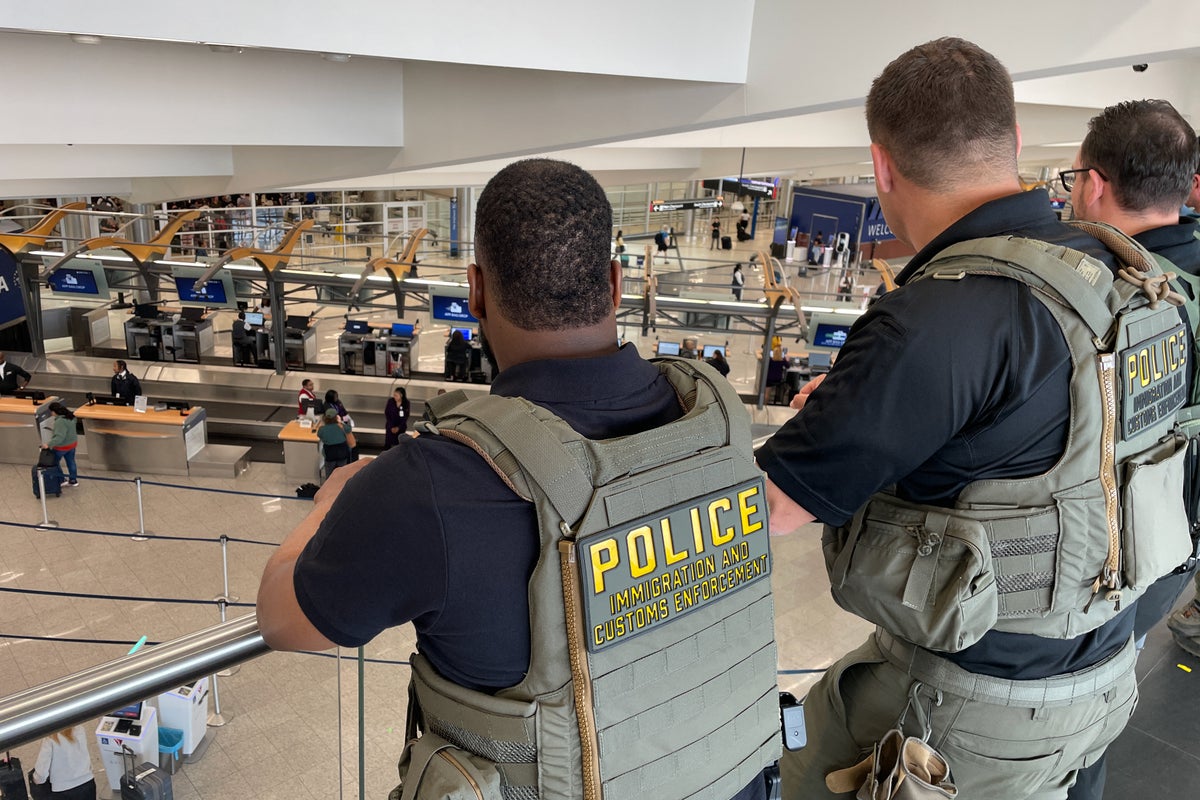
You land at an international airport, tired from a long flight, and federal agents pull you into a back room. They want your phone. They want your passcode. Handing it over feels like a massive privacy violation, but refusing feels worse. For one American traveler, typing a specific code into his device turned a routine border stop into a federal felony case.
Samuel Tunick returned to Hartsfield-Jackson Atlanta International Airport from the Dominican Republic. Customs and Border Protection officers, alongside federal investigators, flagged him for secondary screening. They demanded access to his Google Pixel phone. Instead of handing over his standard unlock PIN, Tunick allegedly entered a secondary code. That code triggered an emergency wipe feature built into his custom operating system, erasing the device entirely before agents could inspect it.
Now, the Department of Justice is prosecuting him under a federal statute that criminalizes destroying property to prevent its seizure. He faces up to five years in prison. This case creates a terrifying precedent for digital privacy. It forces travelers to rethink how they handle mobile security at international borders.
The Tech Behind the Wipe
What actually happened inside that airport interrogation room comes down to specialized software. Tunick's phone ran GrapheneOS, an open-source, privacy-hardened alternative to standard Android. It strips out Google tracking and adds deep-level security controls.
One of those features is a duress PIN or remote wipe capability. If someone forces you to unlock your device under threat, entering a designated secondary passcode instantly factory-resets the hardware, wiping personal photos, messages, and encrypted files off the storage chips.
To software developers and civil liberties advocates, this is a vital safety tool. It protects journalists, activists, and ordinary citizens from coercion. To federal prosecutors, however, making data vanish on demand looks a lot like obstruction of justice. The government isn't just charging him with keeping secrets. They are arguing that executing a phone wipe during an official detention constitutes the physical destruction of evidence.
Border Zones and the Fourth Amendment
If you think border agents need a warrant to rifle through your personal photos, emails, and text messages, the law disagrees with you. For decades, courts have carved out a massive border search exception. Customs officers operate with wide latitude under the premise of protecting national security and stopping contraband.
They don't usually need a warrant to demand your phone or scroll through your files. Refusing to cooperate as a US citizen won't stop you from eventually entering the country, but it will guarantee headaches. Agents can—and often do—confiscate devices for forensic examination, holding them for months.
Tunick’s defense team is fighting back by challenging the legitimacy of the initial interrogation. Court filings reveal that federal agents had internally circulated Tunick's name over his political activism tied to the "Defend the Atlanta Forest" movement opposing a local police training facility. During the airport search, agents allegedly brought up child sexual abuse material as a justification for searching the device—a claim his lawyers call a pretextual fishing expedition designed to mask a political surveillance operation.
If the defense proves the search itself violated constitutional rights, everything that followed could get thrown out. But that is a massive gamble in a federal courtroom.
What This Means for Your Next Flight
Traveling with sensitive data has never felt riskier. If you fly internationally, federal agents possess sweeping authority to demand access to your electronics. Trying to outsmart them with hidden software features can land you in a federal indictment.
The legal distinction between protecting your privacy and destroying evidence remains murky, but prosecutors have drawn a hard line. Wiping data while agents are actively seizing or demanding a device crosses into criminal territory in the eyes of the government.
Protecting yourself requires planning long before you reach passport control.
- Travel light by leaving your primary daily driver at home and using a burner phone wiped clean of personal accounts.
- Log out of cloud services entirely so that physical access to the device doesn't grant entry to remote servers.
- Back up your crucial data securely to cloud storage and wipe local device memory before departure if you want to avoid border searches altogether, though foreign nationals face higher risks of denial of entry for traveling with blank phones.
The courts will spend months deciding whether a privacy-focused operating system can act as a trap for criminal charges. Until then, assume that anything on your phone at the border is open game for federal agents, and act accordingly.