The World Cup is finally here, and with it comes the usual flood of expert score predictions. Everyone has an opinion. Former players, pundits, and data models are lining up to tell you exactly how the opening group games will play out across Mexico, Canada, and the United States. BBC pundit Chris Sutton has already thrown his hat into the ring, famously backing England to cruise past Costa Rica with a comfortable 3-0 victory.
But honesty is important here. Opening games at a major tournament are notoriously weird. Teams are tightly wound, tactical plans are hyper-conservative, and the pressure is massive. If you think the heavy hitters are going to stroll through the first week without breaking a sweat, you're looking at international football all wrong.
Let's break down what's actually going to happen when the whistle blows, why the popular consensus is missing the mark, and where the real shocks are hiding.
The Problem with Safe Pundit Predictions
Most mainstream tournament previews suffer from a massive flaw. They rely too much on paper talent. On paper, elite European and South American squads should demolish opponents who play their club football outside the top five leagues.
It rarely works that way in June.
Look at England. Under Thomas Tuchel, there is a lot of tactical intrigue. Sutton and the rest of the broadcast crew see a frontline bursting with Premier League goals and expect a routine 3-0 demolition of Costa Rica. They overlook the brutal reality of tournament opening games. Teams like Costa Rica don't turn up to play expansive, entertaining football. They turn up to sit in a low block, narrow the space, and suffocate the game.
If England grabs an early goal, sure, the floodgates can open. But if it's 0-0 at the 40-minute mark, frustration sets in. The passing gets slower. The crowd gets anxious. Suddenly, a safe 3-0 prediction looks incredibly naive.
Where the Early Shocks are Actually Hiding
If you want to find the genuine landmines in the opening group games, you have to look past the marquee television fixtures. The expanded 48-team format means we have matchups that have never been tested on this stage.
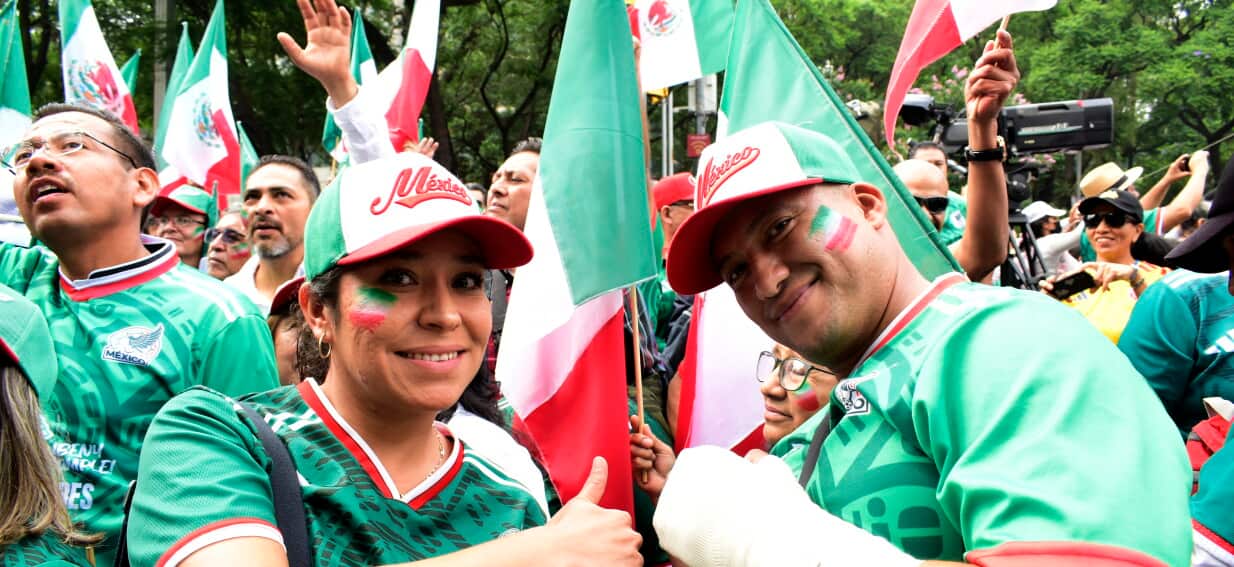
Take a look at the opening fixture list. Host nations always face a unique kind of hell in their first match. Mexico kicks off the tournament at the iconic Estadio Azteca against South Africa. The media expects the home crowd to carry El Tri to an easy three points. But the pressure on the Mexican squad on home soil is suffocating. South Africa is dynamic on the counter, and if they survive the initial 20-minute emotional wave, an opening night draw is a massive possibility.
Then you have the United States taking on Paraguay in Los Angeles. The USMNT has elite individual quality, but consistency has been a ghost for them. Paraguay brings that classic, abrasive CONMEBOL style. They will foul, they will disrupt, and they will try to turn a football match into a street fight. It's exactly the kind of game where a young, hyped team drops points.
Key Tactical Battles to Watch
- Mexico vs South Africa: Can Mexico break down a mid-block without exposing their aging center-backs to raw pace?
- USA vs Paraguay: Will the USMNT midfield control the tempo, or will they get dragged into a physical war of attrition?
- Canada vs Bosnia and Herzegovina: Canada relies heavily on transition speed. If Bosnia sits deep and refuses to leave space behind, Canada lacks the creative passing to unlock them.
The Physical Factor Nobody is Talking About
We're entering a tournament hosted across an entire continent. The travel and climate factors are going to destroy early tactical plans. A team playing in the humid heat of Miami or Houston is going to look completely different from a team playing in the cooler, enclosed environment of Vancouver or Toronto.
Pundits sitting in London or Bristol television studios tend to treat every pitch like it's a neutral simulator. It isn't. The physical toll of the environment means the second half of these opening games will be chaotic. When players tire, tactical discipline vanishes. That's when underdogs strike.
Instead of betting on clean, comprehensive victories for the favorites, expect sloppy finishes. Expect set-piece goals. Expect tired challenges in the box leading to late penalties.
How to Read the Opening Week
If you want to stay ahead of the curve while watching the group games, stop listening to predictions based entirely on what happened during the club season. Turn off the noise about transfer values.
Watch the first fifteen minutes of a match. Is the favorite moving the ball with one or two touches, or are they taking three and four touches because their off-the-ball movement is stagnant? Are the underdogs winning the second balls in midfield?
The teams that survive the opening week aren't necessarily the ones with the most world-class talent. They are the squads that can manage the emotional weight of the occasion, adapt to the heavy North American travel schedules, and grind out ugly wins. Leave the flawless 3-0 predictions to the pundits. The real tournament is going to be a lot more chaotic.