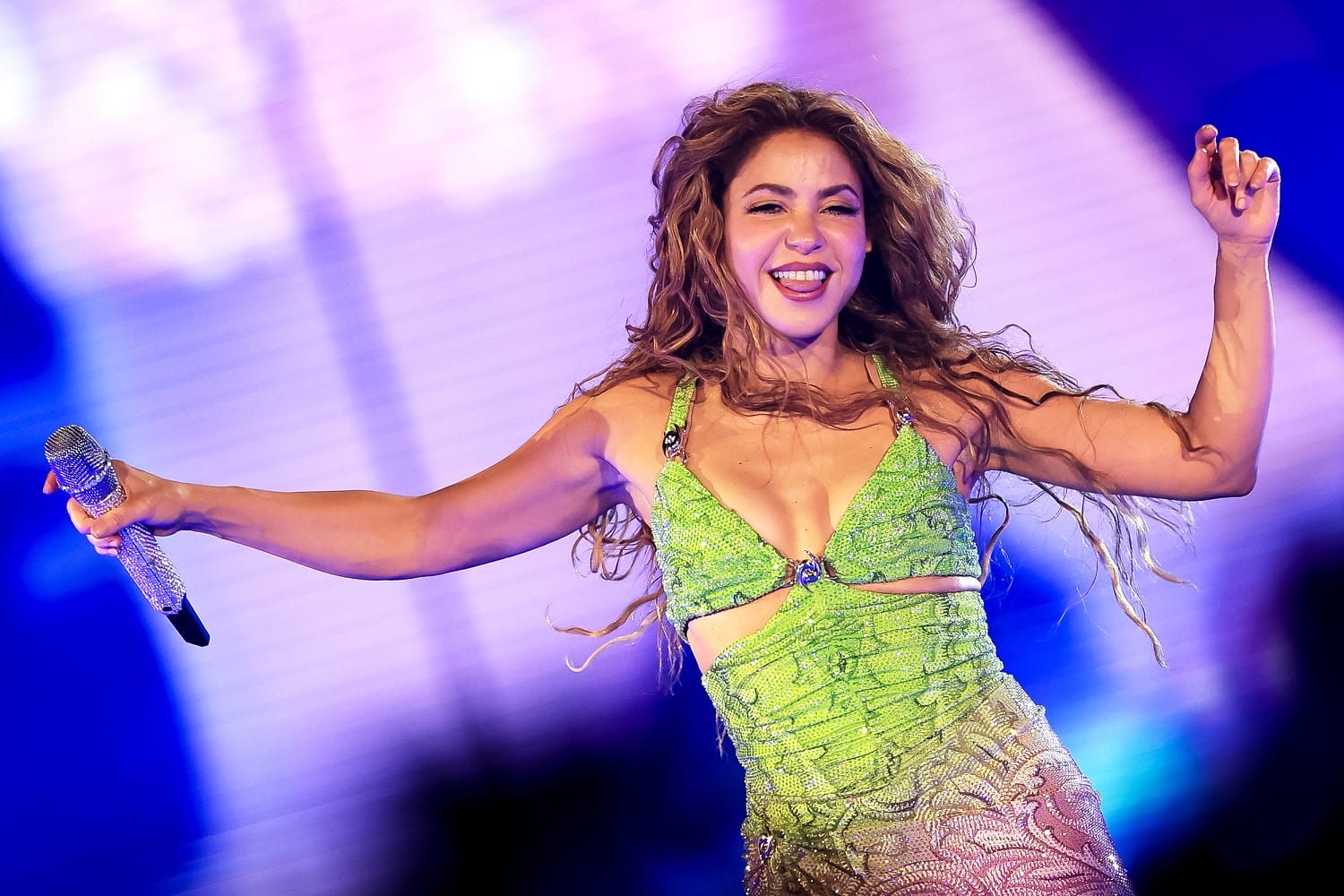
FIFA isn't selling a concert. It’s selling a surrender.
The announcement that Shakira, Madonna, and BTS will headline the first-ever World Cup final halftime show is being hailed as a historic bridge between sport and pop culture. It isn't. It’s a desperate, late-stage capitalistic pivot that proves FIFA has lost faith in its own product.
For a century, the World Cup final was the only event on earth that didn’t need a warm-up act or a mid-way distraction. The tension of the fifteen-minute interval—the frantic tactical analysis, the collective holding of breath, the raw, unscripted roar of the stadium—was the point. Now, we’re trading that organic electricity for a choreographed, lip-synced medley designed to appease TikTok’s algorithm and North American advertisers.
This isn't an evolution. It’s the Super-Bowl-ification of the world’s game, and it’s going to backfire.
The Myth of the Global Crossover
The "lazy consensus" among sports marketing executives is that football needs music to "reach new demographics."
I’ve sat in the rooms where these deals get inked. The logic is always the same: “If we get a K-pop stans and the legacy Madonna fans to tune in, our reach increases by 30%.” This is a fundamental misunderstanding of why people watch the World Cup.
The World Cup final is already the most-watched sporting event on the planet. In 2022, nearly 1.5 billion people tuned in. There are no "new demographics" left to conquer that aren’t already aware of the game. By shoehorning a twenty-minute pop spectacle into the middle of a high-stakes final, FIFA isn't expanding the tent; they are diluting the experience for the billion people who actually care about the score.
When you try to speak to everyone at once, you end up saying nothing to anyone. A BTS fan isn't going to become a lifelong follower of the Egyptian Premier League because of a three-minute dance routine in Lusail. They are there for the idol. Once the glitter clears, they close the tab. Meanwhile, the fan in Buenos Aires or London is left wondering why their emotional climax was interrupted by a brand-sponsored light show.
The Logistics of a Grass-Stained Disaster
Let’s talk about the actual pitch.
In the NFL, the Super Bowl halftime show is a logistical miracle, but it happens on a synthetic or highly durable surface specifically managed for that purpose. A football pitch is a delicate, living organism.
Imagine a scenario where 400 stagehands, two dozen heavy equipment carts, and a hundred dancers sprint onto the grass at the 45-minute mark. They have twelve minutes to assemble a stage, perform, and vanish.
I’ve seen groundstaff at elite European clubs lose their minds over a stray sprinkler. Now, FIFA wants to subject a World Cup final pitch—potentially mid-rain or high humidity—to the crushing weight of a concert rig. If the second half starts with a divot that causes a star striker to tear an ACL or a ball to bobble over a keeper’s hand, the "spectacle" will be remembered as a crime against the sport.
The integrity of the game is being pawned for a "moment" that will live on YouTube for forty-eight hours and then die.
Why the "First Ever" Label is a Warning Sign
FIFA is obsessed with the word "first." It’s the hallmark of a regime that values novelty over tradition.
The competitor's article gushes about the star power of Shakira and Madonna. It treats them as universal constants. But these choices are safe, corporate, and ten years too late. Madonna is a legacy act. Shakira is a World Cup veteran. BTS is a massive but polarizing force. This lineup screams "committee-approved safety."
True culture isn't created by a Swiss board of directors picking names out of a hat based on Q-scores. It’s created in the stands. The "halftime show" of a real football match is the crowd. It’s the chanting, the flares (legal or otherwise), and the local flavor of the host nation.
By importing a sterilized, globalist pop product, FIFA is effectively telling the host nation that their own culture isn't "big" enough for the world stage. They are replacing the local soul with a nomadic, plastic entertainment unit that looks the same whether it’s in Doha, Los Angeles, or Berlin.
The Opportunity Cost of the Spectacle
Every dollar spent on the appearance fees for these three titans—and we are talking tens of millions—is a dollar that isn't going into grassroots development or refereeing technology.
But the real cost isn't financial. It’s the pacing.
Football is a game of flow. The fifteen-minute break is a necessary reset for the players and a psychological torture chamber for the fans. It is the silence before the storm. When you fill that silence with 128-BPM dance tracks, you break the spell. You turn a war of attrition into a variety hour.
You are telling the audience: "We know the actual game might be boring, so here's a distraction."
That is a terrifying admission for the stewards of the sport to make. If the World Cup final isn't enough to hold your attention for ninety minutes, the problem isn't the lack of music. The problem is your product.
Stop Trying to Fix the Only Thing That Isn't Broken
The "People Also Ask" sections of the internet are filled with queries like: "Why doesn't the World Cup have a halftime show?"
The answer was always: Because it doesn't need one.
The demand for this didn't come from the fans. It came from the "Global Partners"—the soft drink giants and the payment processors who want a guaranteed "window" for high-impact advertising that people won't skip to go make a sandwich.
If you want to actually improve the fan experience, you don't add a concert. You fix the VAR transparency. You lower ticket prices so the actual atmosphere isn't muffled by corporate "prawn sandwich" brigades. You ensure the stadiums aren't built on the backs of exploited labor.
Adding Madonna to a World Cup final is like putting a spoiler on a 1960s Ferrari. It doesn't make it faster. It just makes you look like an idiot who doesn't understand what he owns.
The Death of the "Pure" Event
We are entering an era of "Omni-tainment" where nothing is allowed to exist in its own lane.
- Formula 1 is now a backdrop for celebrity sightings.
- Tennis is becoming a fashion show.
- And now, football is becoming a music video.
This convergence is a race to the bottom. When everything is for everyone, it loses the specific, sharp edges that made people love it in the first place. The World Cup final used to be a religious experience for the faithful. Now, it’s being rebranded as a Coachella for people who couldn't tell you the difference between an offside trap and a corner kick.
I’ve spent twenty years in the industry watching brands try to "optimize" passion. You can't. You can only harvest it until the field goes fallow.
FIFA thinks they are building a bridge. In reality, they are just digging a grave for the last authentic thing in global sports.
Enjoy the fireworks. They’re the only thing that’ll be remembered when the actual football is forgotten.
Don't complain when the second half kicks off and the pitch looks like a construction site. You asked for the show. Now you have to live with the wreckage.