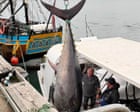
The sight of Atlantic bluefin tuna breaking the surface off the Yorkshire coast is undeniably magnificent. These are not merely fish. They are apex predators, torpedoes of muscle and determination that can weigh as much as two grizzly bears and sprint at forty-four miles per hour. For decades, they were absent from the North Sea, victims of a rapacious mid-century appetite that stripped the coast of herring and decimated tuna stocks to the point of near-extinction.
Now that two of these giants have been caught off Whitby—the first market-landed specimens in the region since the nineteen-sixties—the narrative has quickly shifted to a celebration of conservation success. But we must be careful with our definitions of success. If we mistake a momentary ecological rebound for a permanent recovery, we are setting ourselves up for a repeat of the catastrophe that emptied our seas in the first place.
The return of the bluefin is a biological reality, but it is a fragile one. The recovery of Atlantic bluefin populations is largely attributed to the International Commission for the Conservation of Atlantic Tunas, which enforced stringent quotas after the spawning grounds in the Mediterranean were pushed to the brink during the eighties. This management was essential. However, the presence of these fish in the North Sea is also a byproduct of shifting ocean temperatures and prey migration. Climate change is forcing species into waters they once abandoned, and while that brings them back to Yorkshire, it does not mean the underlying threats have vanished.
There is a dangerous instinct to view these returns as a signal that the exploitation window has reopened. When the government began issuing licenses for a small-scale commercial fishery in July, the language used was one of progress. Yet, history tells us that whenever we label a species as a commercial interest, we invite a slow-motion collapse. Consider the fate of pollack stocks, which have suffered precipitous declines, leading officials to suggest that fishers simply swap their target to bluefin. This is not fisheries management. It is a shell game. We are merely rotating our pressure from one exhausted species to the next, hoping the ocean can absorb the blow.
The tagging program led by the University of Exeter is arguably the most vital piece of this puzzle. By tracking movement, these researchers are finally uncovering whether these fish are merely transient visitors or if they are reclaiming lost territory. This is the difference between a pulse of life and a thriving population. If we start extracting these fish before we understand the nature of their residency, we are playing with a ledger we haven’t finished auditing.
The economic temptation is, predictably, immense. Bluefin tuna is among the most valuable food commodities on the planet. High-end restaurants are eager to add it to menus, and local economies are understandably bolstered by the interest surrounding the catch. But the bluefin population is estimated to remain at a fraction of its historical abundance. Even with the IUCN reclassifying the species from endangered to least concern, the recovery is relative to the bottom of a very deep pit.
There is also the uncomfortable reality of international waters. While the United Kingdom debates the ethics of its own small-scale fishery, fleets from other nations continue to operate in the wider Atlantic with far less transparency. If we move to normalize the consumption of these fish while international oversight remains porous, we are not protecting the species. We are participating in a global race to extract the last of the ocean’s giants.
Sustainable stewardship requires more than just catch limits and occasional tagging projects. It requires the humility to acknowledge that not every natural resource is meant for our dinner plates. We have already lived through a sixty-year period where these waters were emptied of their apex predators. We should remember how hollow that silence felt.
We are currently at a fork in the road. We can treat the return of the bluefin as a fleeting opportunity to harvest a luxury product, or we can treat it as a rare second chance to preserve an ecosystem that has proven its capacity to heal if left alone. The decision to permit commercial landing is a move toward the former. It is a decision that favors the immediate economic tide over the long-term health of our seas.
The bluefin are back, but their return is a warning. It is a reminder of how quickly we can break a system and how slowly, and incompletely, it might choose to return. To turn this moment into a story of permanent restoration, we must stop asking how much of the resource we can catch and start asking what the ocean needs to thrive without our interference. We have already seen what happens when we prioritize the market over the marine life. The sixties were not that long ago, and the scars on our coastal waters are still visible to those willing to look beneath the surface.