The world held its breath at 8:00 PM Eastern Time yesterday as a decades-old cold war nearly turned into a planetary funeral. President Donald Trump’s ultimatum—that an entire “civilization will die” if Iran failed to meet a deadline for a new nuclear and maritime deal—teetered on the edge of a catastrophic kinetic reality. Then, the sirens stopped.
A fragile, two-week ceasefire is now in effect. The immediate threat of the "complete demolition" of Iran’s power grid and bridges has been paused, replaced by an emergency diplomatic summit scheduled for Friday in Islamabad, Pakistan. While the White House characterizes this as a total Iranian capitulation to reopen the Strait of Hormuz, the reality on the ground suggests a far more complex and dangerous game of chicken involving global energy reserves and precision-guided munitions.
The Kharg Island Precedent
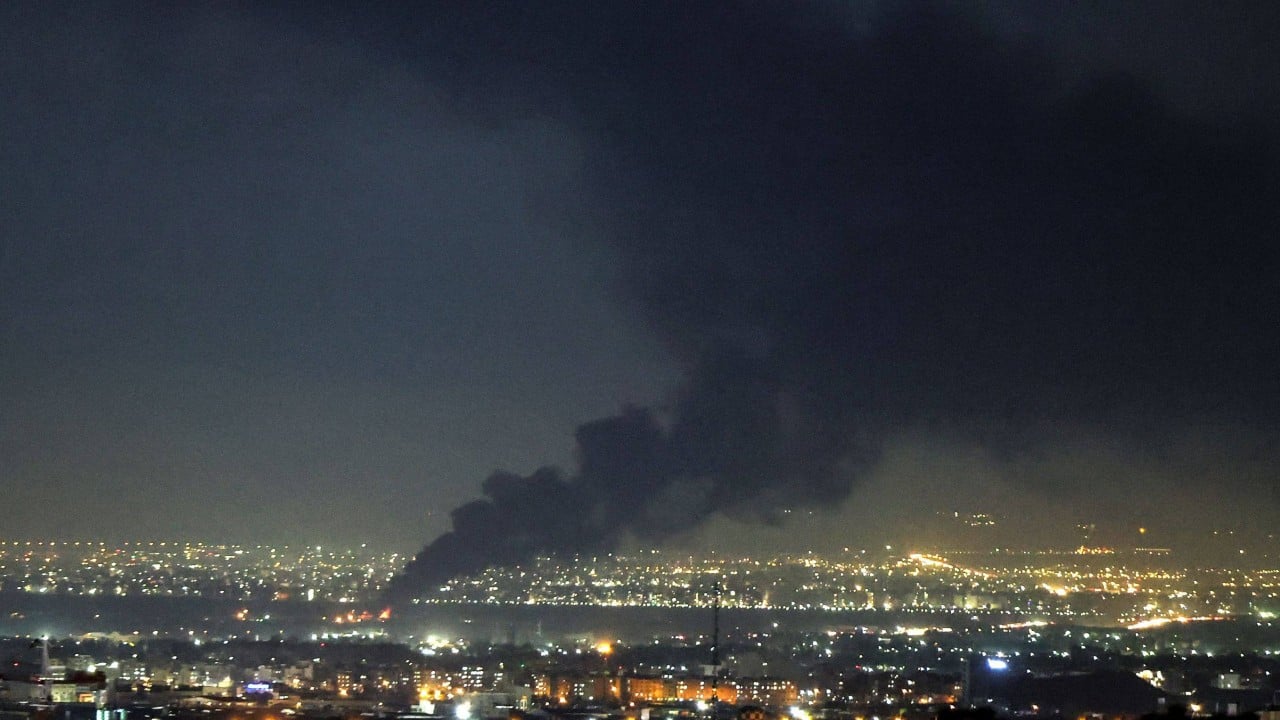
Hours before the ceasefire was announced, the United States signaled exactly what "oblivion" would look like. U.S. airstrikes battered military infrastructure on Kharg Island, Iran's primary oil export terminal. While the Pentagon was quick to claim that oil facilities were spared to avoid a global economic heart attack, the message was unmistakable. By hitting air defense systems and bunkers along the northern coastline, the U.S. effectively stripped the armor off Iran’s economic crown jewel.
This wasn't just a tactical strike; it was a demonstration of a "four-hour" destruction plan. If the Islamabad talks fail, Kharg Island’s loading docks—which handle roughly 90% of Iran's crude exports—will likely be the first to vanish.
Australia’s Refined Vulnerability
The shockwaves of the Kharg strikes reached far beyond the Persian Gulf. In Canberra, the panic is palpable. Prime Minister Anthony Albanese is currently preparing for an emergency mission to Singapore on April 9. His goal is simple: ensure Australia does not run dry.
Australia’s strategic weakness is now laid bare. The country relies on imports for 90% of its refined petroleum, and Singapore is the primary spigot. With rural service stations already running dry and the government halving fuel taxes to prevent a total domestic collapse, Albanese is effectively begging for priority access to Singapore’s refining capacity.
The Singapore Interdependence
- Fuel Security: Australia needs diesel and jet fuel to maintain its basic logistics chain.
- The LNG Trade: Singapore is leaning on Australia to maintain its Liquefied Natural Gas deliveries in return for refined products.
- Regional Instability: The surge in crude prices has rendered previous budget forecasts irrelevant, forcing Canberra into a defensive crouch.
The Islamabad Ten Points
Friday’s negotiations in Pakistan will center on an Iranian 10-point proposal. Tehran is demanding the total withdrawal of U.S. combat forces from the Middle East and the unfreezing of billions in assets. In exchange, they have offered a "coordinated" reopening of the Strait of Hormuz.
The cynicism here is thick enough to choke on. Trump’s "civilization" rhetoric has pushed the Iranian regime into a corner where they must choose between a humiliating deal or a domestic uprising fueled by a collapsing infrastructure. However, the U.S. is also bleeding. The global release of 400 million barrels of oil by IEA members was a desperate move to stabilize markets, and it is a trick that can only be played once.
A Peace of Exhaustion
This ceasefire isn't the result of sudden moral clarity. It is a pause born of mutual exhaustion and the terrifying realization that the next step involves the "Stone Age" rhetoric becoming a physical reality. The U.S. has shown it can dismantle Iran's infrastructure from the air without a single boot on the ground. Iran has shown it can hold the world’s energy supply hostage by mining a narrow strip of water.
The Islamabad summit isn't just about nuclear centrifuges anymore. It is about whether the integrated global economy can survive a commander-in-chief who views "total destruction" as a viable negotiating tactic. If the Friday talks devolve into the same vitriol that characterized the last 48 hours, the April 7 deadline wasn't missed—it was simply postponed.
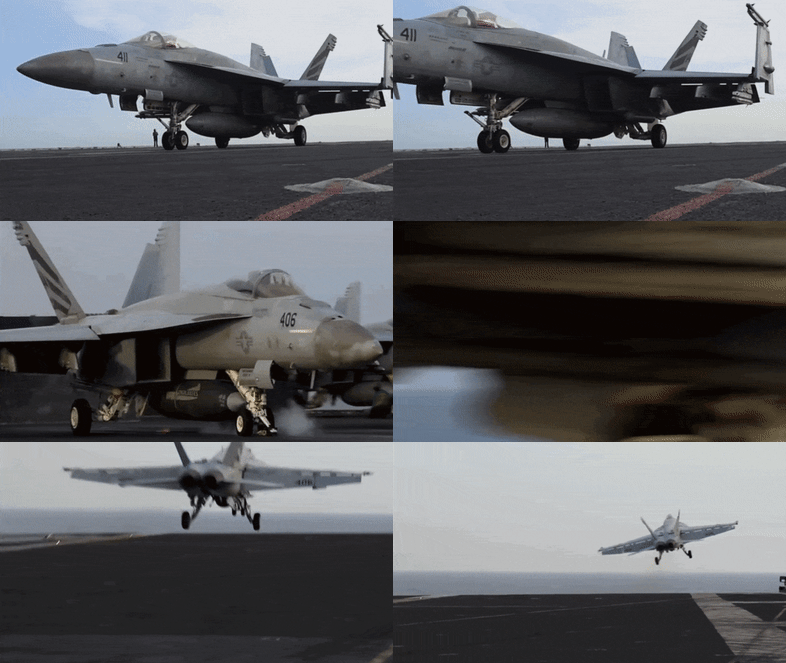
The ships are waiting at the mouth of the Strait. The bombers remain fueled on the tarmac at Diego Garcia. The two-week clock is ticking, and in this theater of the absurd, "civilization" is the only thing currently on the chopping block.