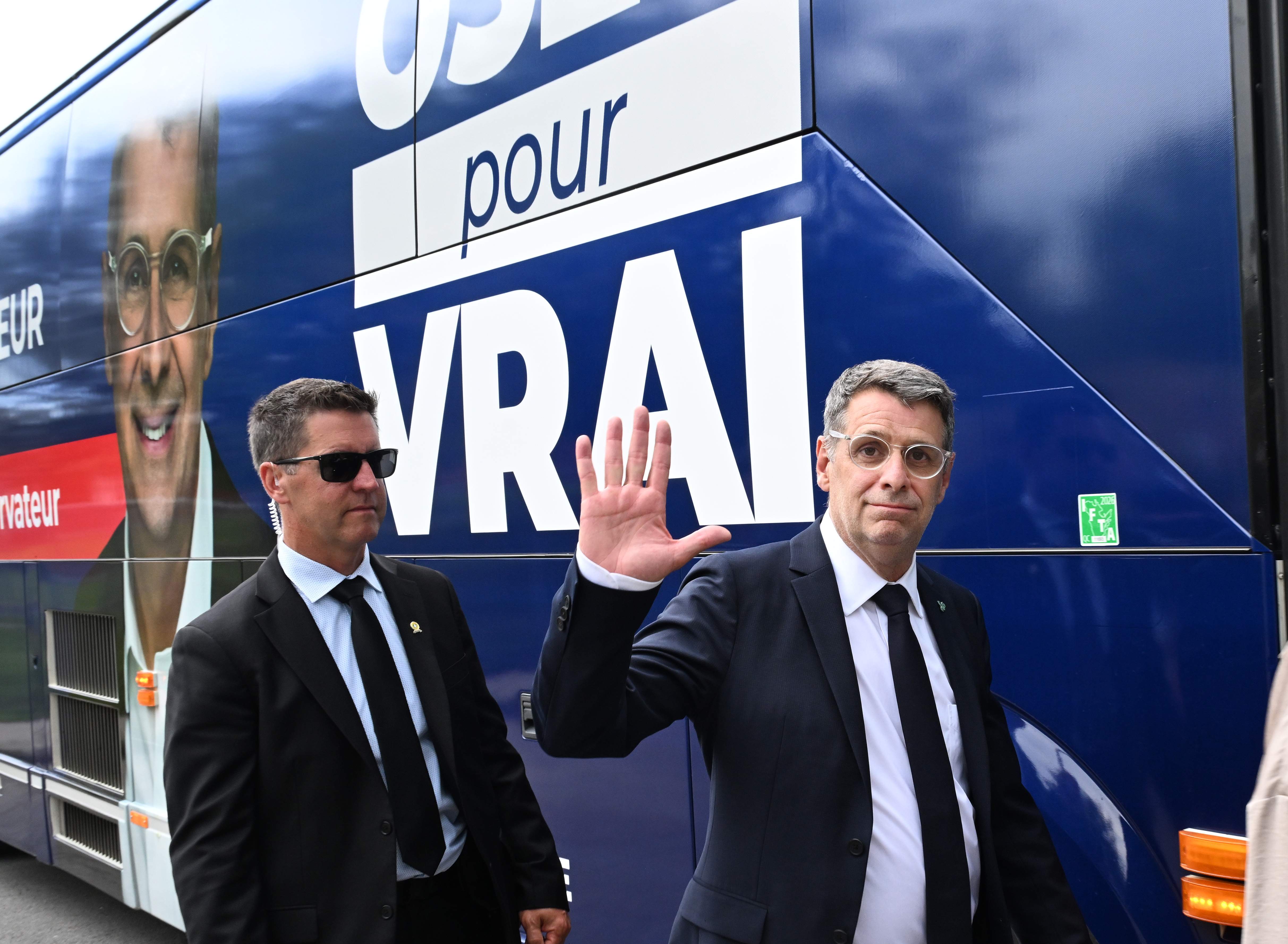
The coffee in the paper cup grows cold before anyone remembers to drink it. Across the province, campaign buses idle against the damp morning curb, their diesel engines vibrating through the asphalt while leaders step onto improvised stages to argue over the math of everyday survival.
Consider a hypothetical young couple sitting at a scarred kitchen table in a Saint-Jérôme suburb. Let us call them Marc and Élodie. They are looking at spreadsheets that do not add up. Rent has crept upward like water rising in a basement, swallowing the margins where savings used to live. When they walk outside, they look at brick bungalows with "For Sale" signs that mock their bank accounts. Every political promise made on the trail is filtered through the quiet panic of whether they will eventually have to pack their lives and move away from the only home they have ever known.
On Day 7 of the Quebec election campaign, that kitchen table anxiety collided head-on with competing visions of governance.
The debate over what the state should actually do—and what it should stop doing—sharpened into focus. On one side, Coalition Avenir Québec leader Christine Fréchette and Conservative leader Éric Duhaime targeted the sprawling machinery of the civil service, arguing that trimming public administration is the only way to restore fiscal sanity. Fréchette defended her government efficiency plans against claims of service cuts, warning that reckless reductions would harm everyday citizens, while Duhaime pressed for deeper downsizing to combat public frustration over bureaucratic weight.
Down-market and across different ideological lines, the remedies changed entirely. Québec solidaire co-spokesperson Ruba Ghazal stood in front of modest family homes to pitch a direct intervention in the housing market, proposing down-payment loan programs for first-time buyers and state-backed renovations of existing housing stock to force prices down. Rent is too high. The math is brutal. When a generation cannot accumulate capital because landlords take the lion's share of their monthly earnings, the social contract begins to fray at the edges.
Infrastructure tells a parallel story of neglect. Liberal leader Charles Milliard took his campaign to the Mauricie region, pointing at aging school buildings and crumbling public assets with the blunt assessment that the province needs a massive capital injection just to catch up to the baseline of safety and functionality. When schools leak and community centers rust, the decay is visible proof that governments have spent years kicking cans down the road.
Meanwhile, Parti Québécois leader Paul Saint-Pierre Plamondon turned the microphone toward the classroom, arguing that structural reform is required to restore merit, civility, and cultural grounding to public education. His proposals—aimed at curbing dropouts, fighting sedentary habits, and integrating cultural milestones—tap into an underlying dread among parents who worry that the institutions meant to elevate their children are running on empty.
The air in the committee rooms smells of damp wool and stale pastry. Microphones hiss with feedback. The leaders smile, shake hands, and promise a cleaner ledger, a fairer roof, a smarter school. But back at the kitchen table, Marc and Élodie click refresh on their browser, waiting to see which version of the future will win.