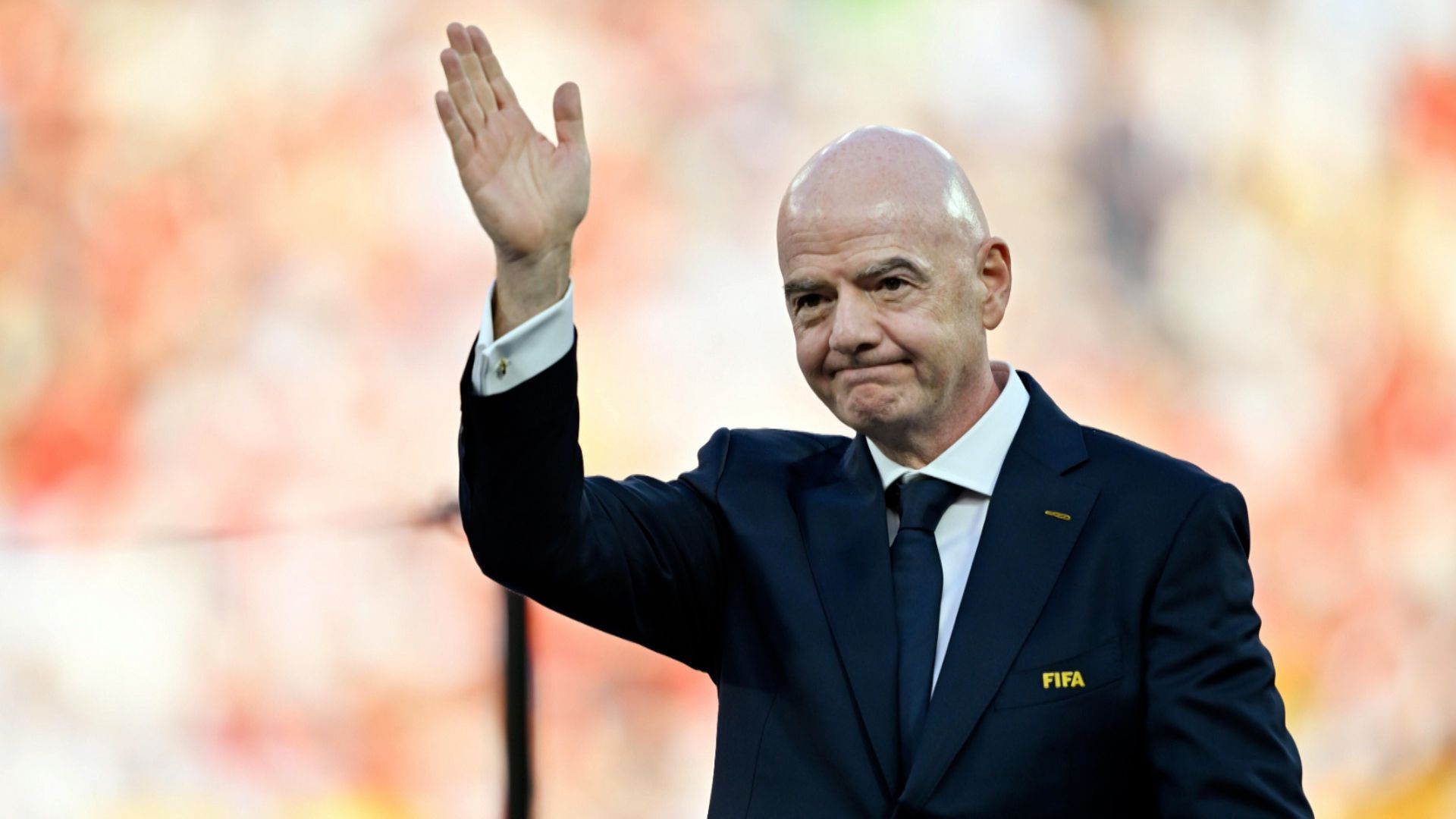
European football associations are preparing to quietly abandon their threatened boycott of FIFA governance, trading principled resistance for backroom concessions and administrative safety. The confrontation, which once promised to fracture the global governing body, has dissolved into procedural compromise. Power triumphed over protest.
Football politics rarely reward moral clarity. When several prominent European federations floated the prospect of missing major international fixtures or organizing parallel administrative structures, executive suites across Zurich braced for impact. The threat felt existential. FIFA relies heavily on European broadcasting revenue, commercial sponsorships rooted in Western markets, and the sheer prestige of UEFA nations to maintain its global monopoly. Yet, within months, the fiery rhetoric cooled into bureaucratic murmurs.
Behind closed doors, the mechanics of capitulation are remarkably mundane. Associations did not back down because they suddenly trusted leadership. They backed down because the financial penalties of exclusion far outweighed the discomfort of compliance.
The Anatomy of a Fold
Understanding why European federations blinked requires looking past press releases and examining the balance sheets of domestic leagues. Most national associations operate as non-profit umbrellas, but their operational budgets depend almost entirely on tournament distribution shares. FIFA holds the purse strings. When a federation threatens a boycott, it targets its own lifeblood.
Consider the leverage dynamic. FIFA distributes development grants, tournament bonuses, and solidarity payments that fund grassroots programs across the continent. Cutting ties means starving domestic infrastructure.
- National federations face immediate cash flow crises if tournament revenues vanish.
- Commercial partners threaten contract termination clauses tied to major tournament participation.
- Domestic player unions push back against administrative wars that jeopardize player exposure.
The resistance movement collapsed under the weight of its own economic dependency. European executives discovered that taking a moral stand against opaque governance is easy during an annual congress. Maintaining that stance when commercial partners call lawyers is entirely different.
The Illusion of Reform
To save face, departing rebels usually accept cosmetic concessions. FIFA masters the art of the decorative compromise. They create advisory panels, commission independent audits with restricted remits, or promise future consultation rights that carry no binding weight.
These concessions give federation presidents a script for domestic press conferences. They can claim victory, pointing to structural adjustments that look impressive on paper but alter nothing in practice. The core financial architecture remains untouched. Voting blocs stay heavily weighted toward smaller federations whose loyalty is secured through targeted development funding.
Critics inside European administrative circles note that the strategy of appeasement merely postpones the inevitable collision. Every cycle brings new controversies regarding host nation selections, commercial expansions, and calendar congestion. Yet, the playbook for handling dissent has been standardized. Threaten, negotiate, dilute, and sign.
The Cost of Compliance
By dropping the boycott threat, European football has signaled that commercial stability supersedes ethical governance. Fans watching from the stands perceive the hypocrisy, widening the trust gap between grassroots supporters and elite administrators.
When national associations surrendered their ultimate leverage, they permanently weakened their bargaining position. Future challenges to leadership will carry less weight because Zurich now knows the threat is toothless. The administrative machine rolls forward, fueled by television money and managed by officials who prefer a quiet office to a principled fight.
The next crisis will arrive on schedule. The response will follow the exact same script.


