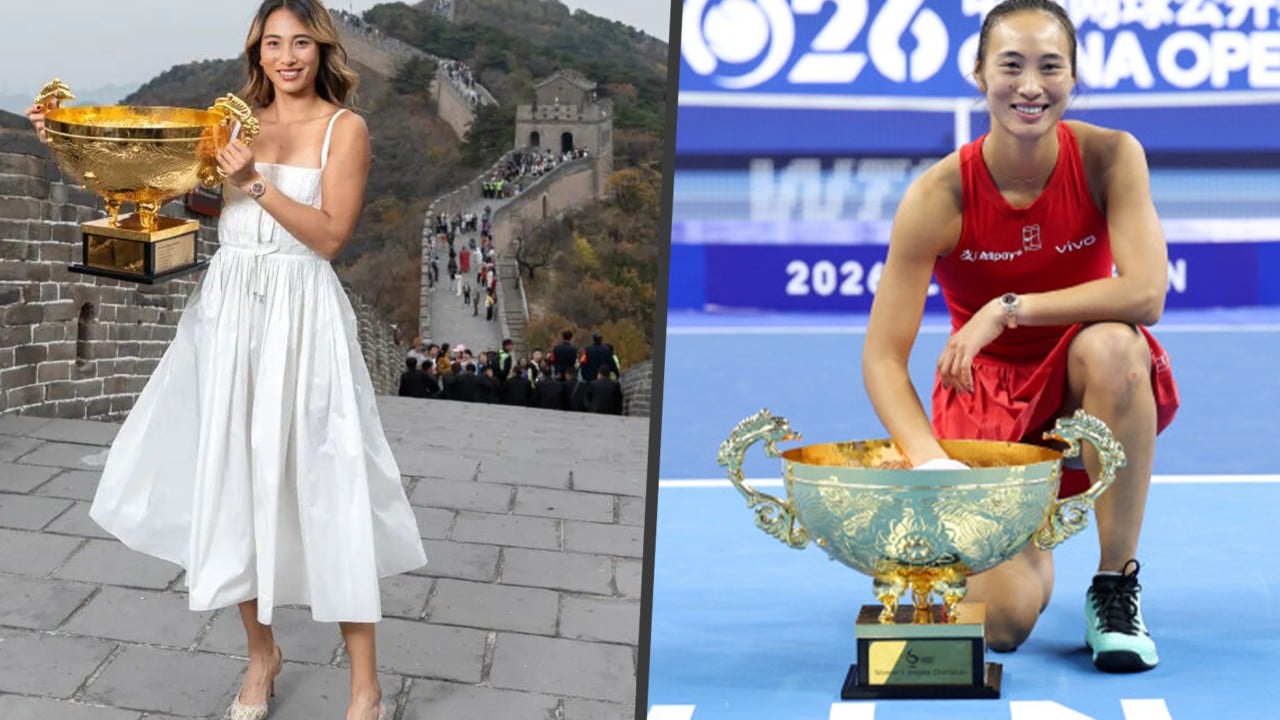
Criticizing a female tennis champion for posing in glamour with a trophy is lazy projection. Plain and simple. When a competitor headline frames a glossy shoot as "seeking men's approval," it reveals more about the writer's outdated gender script than the athlete's strategy.
Athletes do not win grand slams or tour titles just to hide silverware in a gym bag. They step in front of cameras because sports media, luxury fashion, and commercial sponsorships run on visual currency. Treating beauty and athletic dominance as enemies is a relic from an era that pretended women athletes had to look austere to be taken seriously.
The Lazy Consensus Around Athletes and Glamour
The standard commentary on this topic follows a predictable script. An athlete posts a high-fashion shot holding a trophy. Commenters cry vanity. Critics accuse her of pandering to the male gaze. Somehow, a woman who spent thousands of hours grinding on hard courts and clay is framed as desperate for validation from people sitting on a couch.
That argument falls apart under basic scrutiny. Approval from anonymous internet critics does not pay coach salaries, fund physical therapy, or sign multi-year brand deals. Commercial value in global sports comes from reach, memorability, and cross-cultural appeal.
Glamour in sports is not the opposite of grit. In modern athletics, visual storytelling is part of the business model that funds the grit.
In my years watching sports marketing and talent positioning, I have seen brands pour massive budgets into athletes who have raw talent but zero distinct public identity. A great backhand wins matches. A clear, unmistakable visual brand helps turn a regional star into a global household name.
When critics reduce a trophy shoot to "seeking men's approval," they flatten a complex career move into a cheap stereotype. Worse, they strip agency away from the athlete herself.
Why Critics Are Asking the Wrong Question
Most coverage asks whether an athlete looks "too glamorous" or whether a photo shoot sends the right message to young fans. Both questions miss the real mechanics of sports economics.
The sharper question is this: who actually profits when a female athlete owns both her athletic hardware and her high-fashion image?
Let's look at the incentives across the ecosystem:
- The athlete builds equity beyond match earnings, which are always vulnerable to injury, slumps, or retirement.
- Luxury and lifestyle brands gain credibility by pairing precision craftsmanship with someone who performs under extreme pressure.
- Media outlets get high-engagement visuals that travel far beyond hardcore sports fans.
- Critics get easy outrage clicks by recycling tired tropes about vanity versus authenticity.
Notice who loses when critics shame an athlete for glamour. The athlete gets boxed in. Young women watching get a false choice between being taken seriously as a competitor and enjoying beauty, style, and self-expression.
What People Also Ask and Why the Premise Is Flawed
Does posing with a trophy in glamorous attire hurt an athlete's credibility?
Credibility in tennis is decided between the lines. Rankings, head-to-head records, major titles, and performance under pressure settle that argument every single week. A stylist, lighting rig, and evening dress do not erase a single forehand winner.
Think about icons who shaped modern sports culture. Billie Jean King fought relentlessly for equal prize money and respect in women's tennis. Serena Williams dominated courts with power while commanding high fashion and red carpets with equal authority. Maria Sharapova turned global court success into a powerhouse business portfolio. Nobody serious argues that style cancels out substance when the results are on the scoreboard.
Is a glamorous photo shoot really aimed at men?
Assuming every polished image of a woman is aimed at men is peak main-character syndrome for male commentators. High-fashion editorials and luxury campaigns speak to broad audiences, including women who love fashion, younger fans drawn to pop culture, and global consumers who follow athletes across lifestyle feeds.
Even if some men engage with the photos, engagement is not submission. Turning heads is not the same as begging for permission.
Should athletes keep their public image strictly focused on training and matches?
Only if they want to leave serious career leverage on the table. Sports careers are notoriously short. One bad knee, shoulder tear, or burnout cycle can end a top-tier run overnight. Building a multifaceted public identity while at peak visibility is practical risk management, not a moral flaw.
The Mechanics of Sports Branding That Critics Miss
To understand why these photo shoots spark backlash, you have to separate on-court merit from off-court positioning.
On-court merit is objective performance: serves landed, points won, tournaments captured. Off-court positioning is how an athlete frames their story, personality, and aesthetic for the broader public.
Critics often act as if off-court positioning is fake and on-court merit is real. In reality, both are deliberate. A player chooses her racket, her string tension, her fitness block, and her schedule. Choosing how she presents herself with a trophy is simply extending that control outside the stadium.
Imagine a scenario where a tennis champion wins a major title and posts one grainy locker-room photo with zero context, while a rival wins a comparable event and pairs strong results with sharp, memorable visual campaigns. Six months later, both have similar rankings, yet one commands far bigger speaking, endorsement, and media opportunities. That gap is not a mystery. It is positioning at work.
Where the Contrarian Approach Can Backfire
Being bold with visual branding carries real risks, and pretending otherwise would be dishonest. I have watched talent miscalculate this balance and pay for it.
- Over-indexing on image over results: If hype outruns performance for too long, fans and sponsors notice fast. Results still have to back up the spotlight.
- Tone-deaf timing: Posting glossy celebration content right after a terrible team loss or an awkward tournament exit can invite unnecessary blowback.
- Inconsistent identity: Jumping between five unrelated styles or messages can confuse audiences instead of sharpening your brand.
Contrarian moves work best when they are earned through real work and executed with discipline. Glamour without substance looks hollow. Glamour paired with real achievement looks untouchable.
Actionable Moves for Athletes and Teams
If you manage talent, build a personal brand, or advise athletes navigating public scrutiny, stop playing defense against lazy narratives. Use them as fuel instead.
- Own the narrative immediately. Pair milestone wins with intentional, high-quality visuals that reflect the athlete's real personality rather than letting outsiders define the moment.
- Ignore bad-faith outrage metrics. Loud complaints from people who never buy tickets, merchandise, or sponsor products are noise. Track real audience growth, brand alignment, and long-term equity.
- Anchor every aesthetic choice to a clear identity. Whether the vibe is sleek minimalism, bold editorial edge, or classic elegance, keep it consistent so audiences recognize the signature at a glance.
- Build commercial bridges early. Connect athletic milestones to lifestyle, design, and wellness categories while momentum is high, before career uncertainty sets in.
A trophy earned on the court belongs to the player who won it. How she chooses to hold it—and how she chooses to look holding it—is hers to decide.