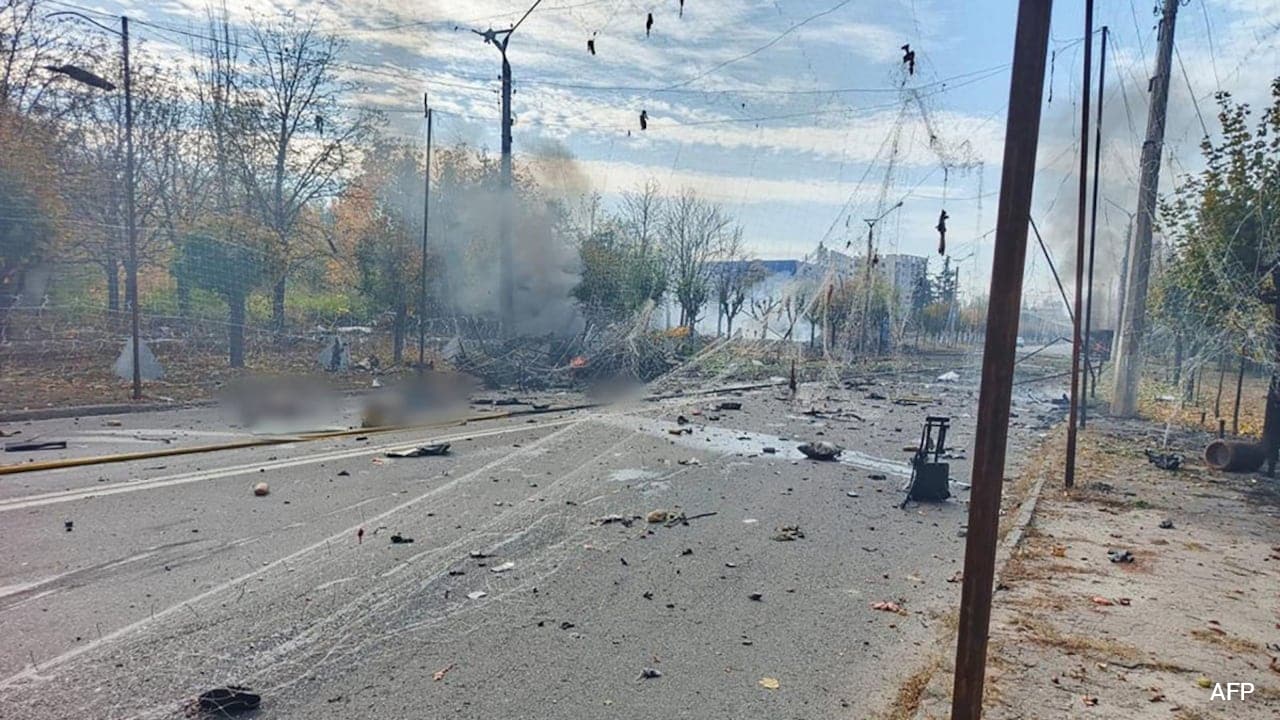
Diplomatic tables in Western capitals rarely stop real-world violence. When thirty people lose their lives in a sudden barrage on frontline Ukrainian transit hubs, scheduled peace talks often feel disconnected from the grim reality on the ground. You read the headlines about high-level delegations meeting abroad, but back home, air raid sirens dictate every waking minute.
The brutal timing of these escalations isn't accidental. Both sides know that battlefield momentum directly shapes whatever terms get whispered behind closed doors in the United States or the Middle East. When missiles tear through populated areas, they send a loud, violent message to international mediators who are trying to force a frozen conflict into a premature settlement. You might also find this similar coverage interesting: Inside the Nidal Hasan Execution Dispute That Exposed the Limits of Military Justice.
The Reality Behind High Stakes Talks
Negotiations rarely happen in a vacuum. Whenever American or European envoys gather delegates for diplomatic summits, the intensity on the front lines usually spikes. Neither Moscow nor Kyiv wants to look weak heading into a compromise. Ukrainian officials keep pressing for concrete security guarantees that mirror collective defense pacts, while Russian leadership continues pushing hardline territorial demands.
The disconnect is stark. Washington wants a neat, tidy resolution to a war that drains global resources and threatens broader economic stability. Ukrainians, however, live with the daily destruction of their energy grid, apartment blocks, and transport systems. Sitting down for talks while body bags pile up in cities like Kramatorsk creates an impossible political tightrope for Kyiv's leadership. As extensively documented in recent reports by Reuters, the results are worth noting.
Why Casualties Keep Mounting in Civilian Zones
Military analysts have watched a disturbing pattern emerge. Instead of focusing solely on entrenched military targets, recent campaigns heavily feature guided aerial bombs and missile strikes hitting urban centers, civilian buses, and residential districts. This strategy aims to break local morale, deplete emergency response resources, and exhaust public endurance.
When a guided bomb slams into a packed street, the immediate loss of life shocks even a battle-hardened populace. First responders rush into burning wreckage while local authorities scramble to restore basic heating and power before winter sets in. These aren't abstract tactical losses. They are devastating blows to communities that are simply trying to survive another week of relentless bombardment.
What International Mediators Miss
Western diplomacy often focuses on grand architectural designs for future security, such as neutral buffers, territorial trades, or phased sanction relief. But these blueprints ignore the deep mistrust festering between the combatants. Asking a nation under siege to cede sovereign land in exchange for vague diplomatic promises rarely secures lasting peace. It usually just buys time for the next offensive.
Real progress won't happen through rushed summits driven by external political calendars. Until international pressure forces a genuine halt to the targeting of civilian infrastructure, every diplomatic handshake in a foreign capital will ring hollow against the backdrop of sirens and smoke.