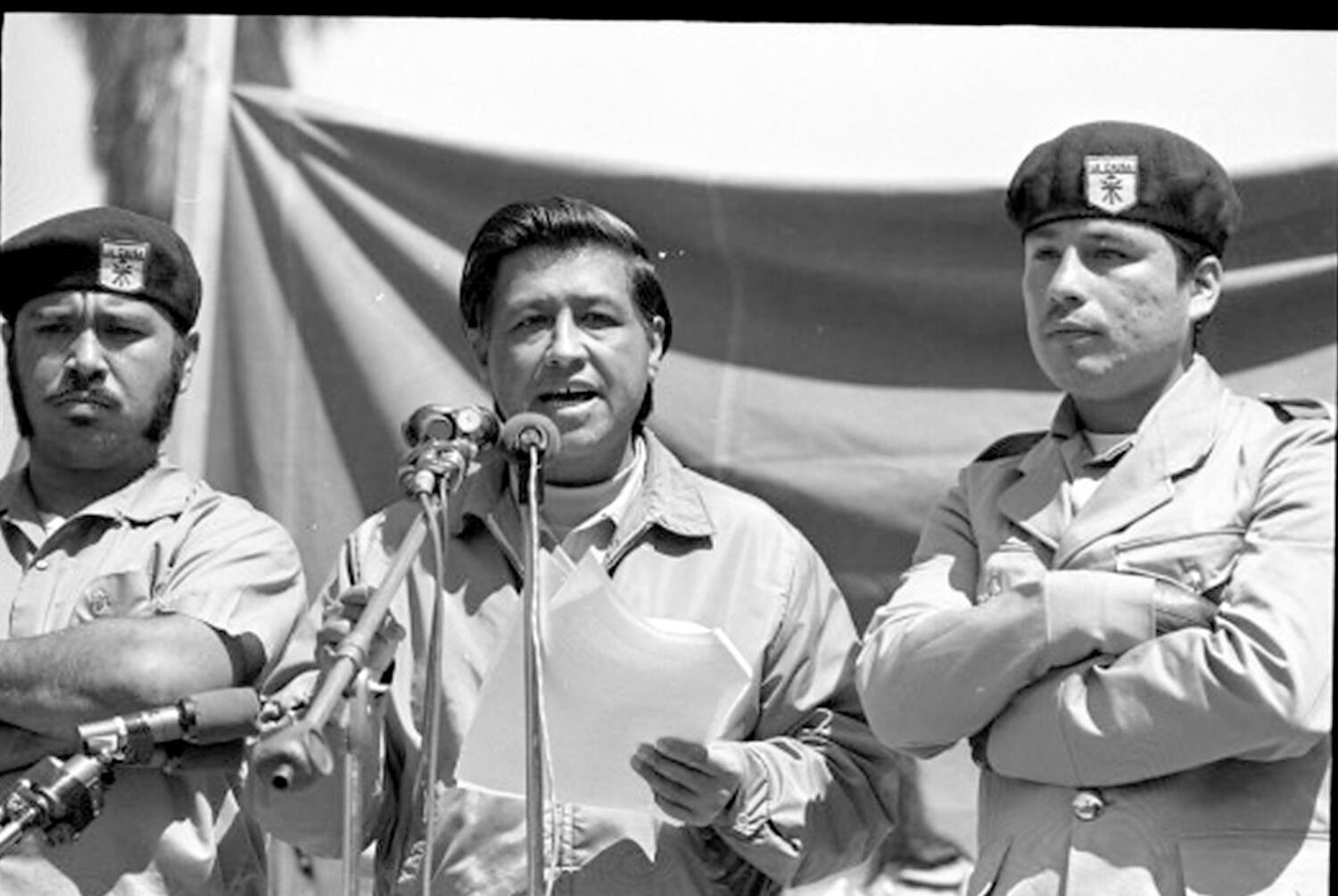
A former volunteer in her eighties has filed a landmark civil suit in Kern County Superior Court against the César Chávez Foundation and the United Farm Workers Foundation, targeting the institutional machinery that allegedly shielded a legendary labor leader from decades of sexual abuse allegations.
This legal filing represents a sharp escalation from the shockwaves that first rippled through political and labor circles earlier this year when investigative reports exposed historical accusations against César Chávez. For generations, institutional mythology protected the icon. Now, the organizations built in his name must answer for an environment that allowed predatory behavior to fester unchecked behind the righteous banner of workers' rights. Learn more on a related issue: this related article.
The Anatomy of Institutional Silence
Social movements demand immense self-sacrifice. They also create dangerous power asymmetries.
When vulnerable individuals commit to a historic crusade, dissent is often treated as betrayal. According to the civil complaint, top lieutenants within the Chávez inner circle systematically neutralized internal warnings, warning whistleblowers that speaking out would dismantle the broader cause. This dynamic is familiar to anyone who has tracked institutional corruption across religious, political, and corporate structures. The mission becomes an absolute shield. Additional reporting by The New York Times explores related perspectives on the subject.
The lawsuit alleges that the César Chavez Foundation and the UFW Foundation ignored repeated danger signs, cultivating a culture of silence. Organizations do not accidentally fail to investigate abuse claims. They fail because leadership prioritizes brand preservation over human safety. When the institutional shield becomes more valuable than the people it claims to protect, accountability is treated as an existential threat.
The Cost of Unimpeachable Icons
Hagiography is a dangerous political tool. For decades, state legislatures, municipal governments, and national political figures invoked Chávez as unassailable proof of progressive virtue. Lawmakers referenced his name hundreds of times in legislative chambers, transforming a mortal labor organizer into a secular saint.
This absolute reverence created a barrier to entry for truth. When iconic figures are elevated beyond critique, the collateral damage is borne by those standing in the shadows of their influence. The recent unravelling of public honors, including canceled commemorative events and the rapid reconsideration of street and school names, proves that monuments built on sand cannot withstand the weight of verified testimony.
Yet renaming a boulevard treats only the symptom. The underlying structural rot requires a deeper accounting. Nonprofits tethered to historic personalities often operate as family fiefdoms or ideological shrines, lacking the independent governance boards necessary to police internal misconduct.
The Legal and Moral Reckoning
The decision to file a civil complaint decades after the alleged offenses occurred highlights the unique courage required to challenge entrenched legacy institutions. Represented pro bono, the plaintiff seeks a jury trial for damages spanning past earnings, future losses, and punitive accountability.
Legal battles against well-funded legacy foundations are grueling marathons. Defense strategies typically lean on statutes of limitations, institutional restructuring, or jurisdictional arguments to distance modern operational entities from historical leadership sins. Yet the moral weight of the courtroom extends far beyond financial damages.
No cause is exempt from the rule of law. As civil rights attorneys and survivors push for transparency, the defense mounted by these nonprofits will signal whether modern leadership is willing to break completely with past institutional cover-ups. The historic legacy of farmworker organizing deserves an unvarnished truth, free from the myth-making that protected abuse under the guise of revolution.


