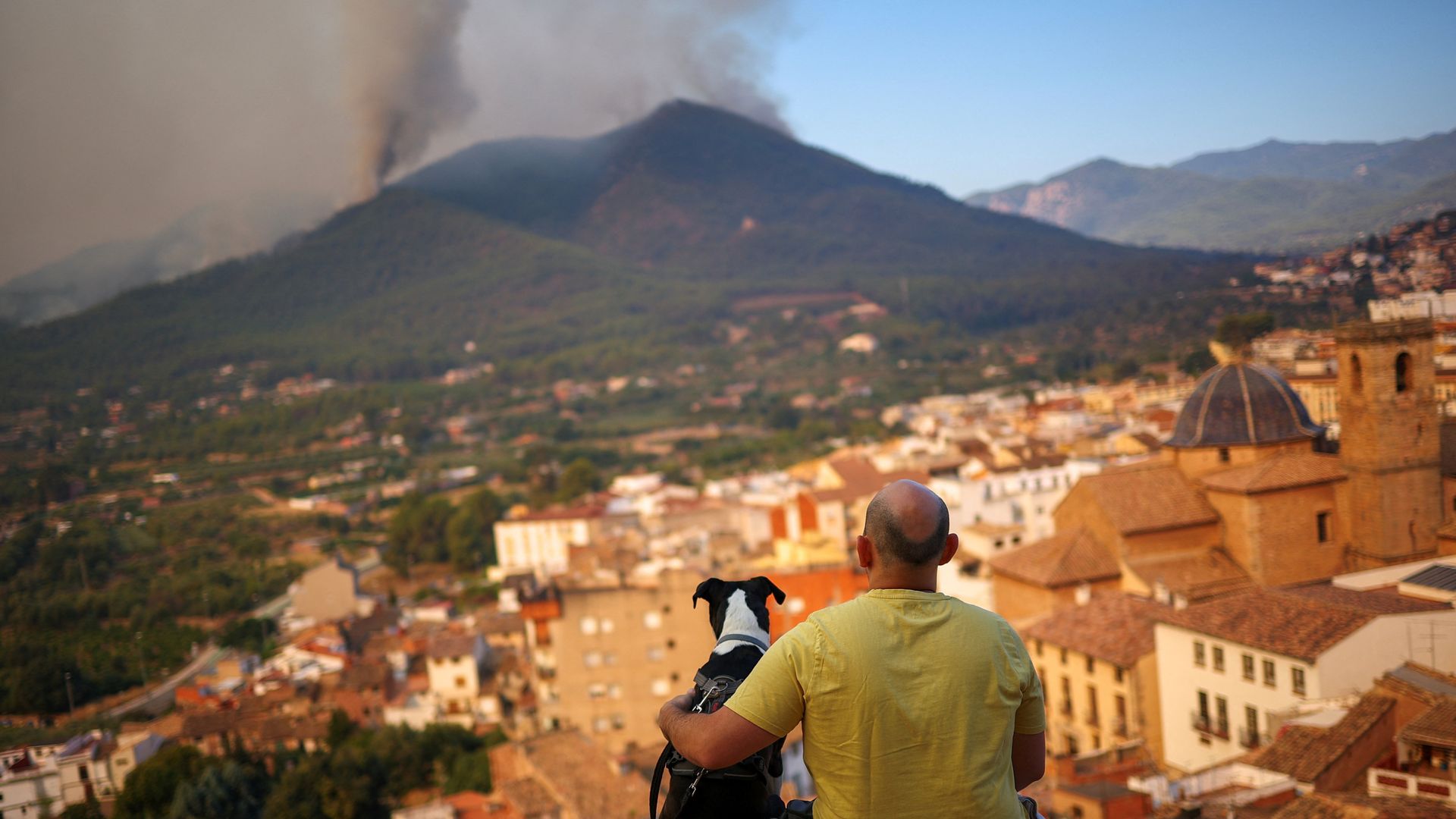
Mass evacuations across southwestern France and central Spain have triggered a severe travel security crisis during peak summer holiday season, following national emergency declarations and thousands of forced displacements.
The illusion of a predictable Mediterranean getaway is burning away. When smoke turns the skies over Bordeaux and Madrid into an apocalyptic orange, the standard vacation blueprint collapses. Across the European continent, severe heat domes and prolonged dry spells have supercharged seasonal blazes into systemic threats. Tour operators and insurance providers are struggling to keep pace with the shifting reality on the ground. Understanding the mechanics of these emergencies is the only way to avoid becoming stranded in a disaster zone.
The Anatomy of the French and Spanish Evacuations
In southwestern France, particularly around the Gironde department and the coastal stretches near the Cap Ferret peninsula, aggressive fires have forced tens of thousands of residents and tourists to flee. Fire-generated whirlwinds have thrown embers across natural firebreaks, outpacing ground crews and making traditional containment strategies obsolete.
Meanwhile, Spanish authorities escalated their response by declaring a national emergency. Blazes tearing through the regions around Madrid and Ávila have forced sweeping road closures, disrupted public transportation networks, and triggered door-to-door civilian evacuations managed by civil guard units.
The primary danger is rarely just the flame front. It is the sudden toxicity of air quality and the swift severance of arterial evacuation routes.
The Travel Insurance Trap
Most holidaymakers assume their comprehensive coverage will bail them out of any natural disaster. The fine print tells a different story.
Standard policies frequently draw a hard line between official government advisories and personal apprehension. If you choose to cancel a trip to a Mediterranean destination simply because temperatures are high or distant smoke is visible on the horizon, without an official advisory against travel, insurers will likely reject your claim.
Conversely, if you are already on location and forced to evacuate by local emergency services, your immediate safety expenses, emergency medical care, and abandoned property are typically addressed under trip disruption clauses.
- Check whether your policy explicitly includes natural disaster and civil emergency extensions.
- Retain every receipt for alternative transit and emergency lodging.
- Contact your provider before booking out-of-pocket return flights to verify reimbursement parameters.
Navigating the Bureaucracy of Sudden Displacement
When local gendarmerie or civil guards order an evacuation, hesitation carries a steep cost. Infrastructure fails rapidly under the strain of thousands of vehicles funneling onto narrow regional corridors.
For travelers caught in affected zones, official communication channels are the ultimate lifeline. Monitoring local emergency applications and national meteorological updates provides critical minutes before cell towers saturate or power grids fail.
Hypothetically, a family staying at a countryside rental near Madrid who ignores an initial level-one evacuation warning might find themselves trapped hours later as shifting winds close secondary access roads, cutting off water and municipal support.
Municipalities in southwestern France have repurposed local convention centers and wine estates into temporary reception hubs, yet resources stretch thin during peak surges. Self-reliance for the first seventy-two hours remains the gold standard of modern crisis survival.
Hard Realities for Future Itineraries
The Mediterranean summer model is broken. Historical climate data no longer applies to contemporary seasonal planning.
Travelers booking peak-season trips to southern Europe must adopt an operational mindset typically reserved for expeditionary travel. Flexibility must replace rigid itineraries. Direct lines of communication with accommodation providers are mandatory. Monitoring real-time fire mapper tools provided by national environmental agencies should become standard procedure before stepping out of a hotel room.
The fire season no longer arrives as an unexpected anomaly. It is the defining variable of the contemporary European summer, demanding absolute vigilance from anyone crossing international borders for leisure.