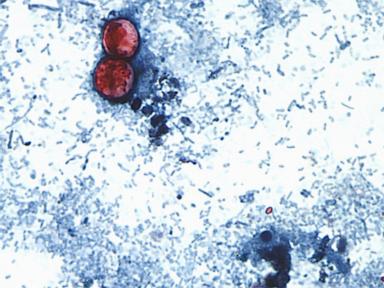
Fifteen states are now formally linked to a rapidly widening Cyclospora outbreak traced back to contaminated iceberg lettuce, according to the latest federal updates. Public health officials are tracking hundreds of laboratory-confirmed cases of cyclosporiasis, a gastrointestinal illness caused by a microscopic parasite that thrives in warm climates and spreads with terrifying efficiency through commercial agricultural supply chains.
When federal agencies publish cluster maps connecting geographically disparate regions, panic usually follows. Consumers stop buying green salads. Supermarkets pull shrink-wrapped heads from refrigerated displays. Yet the public narrative consistently misses the mechanical realities of how a single contamination event in an irrigation canal or a packing facility ripples across half a nation within days.
This is not simply a story about bad luck or a dirty field. It is an indictment of a modern produce distribution model that values speed and low margins above redundant biological safety checks.
The Anatomy of a Parasitic Outbreak
Cyclospora cayetanensis is an unwelcome traveler. Unlike common bacterial pathogens such as E. coli or Salmonella, which can multiply rapidly on nutrient-rich food surfaces under the right temperature conditions, Cyclospora does not multiply in or on produce.
Instead, the single-celled parasite hitches a ride. A single drop of contaminated agricultural water left to dry on the ribbed leaves of an iceberg head is all it takes. Once ingested, the parasite invades the small intestine, triggering weeks of explosive watery diarrhea, severe abdominal cramping, profound fatigue, and relentless weight loss.
The incubation period creates a profound surveillance lag. From the moment a consumer eats a contaminated wedge salad to the day a local health department logs a confirmed lab result, a fortnight can easily pass.
- The consumer eats the tainted lettuce on Day One.
- Symptoms begin manifesting around Day Eight.
- A doctor orders a specific stool test by Day Twelve.
- The laboratory confirms the parasite and reports it to the state registry by Day Fifteen.
By the time public health epidemiologists aggregate enough data points to declare a multi-state outbreak, the original lot of lettuce has long since rotted in household crisper drawers or been completely digested. The paper trail is cold. The physical evidence is gone. Investigators are forced to rely on complex traceback interviews, asking sick people what they ate two weeks ago while standing in the produce aisle of their local grocery store.
Why Iceberg Lettuce Remains Vulnerable
Agronomists have debated the structural vulnerabilities of iceberg lettuce for decades. Its compact, tightly wound head design protects the inner leaves from direct sunlight and environmental stressors, but it also creates a micro-environment that traps moisture.
If wash water in a commercial processing facility is inadequately sanitized, or if the initial field rinse relies on surface water tainted by agricultural runoff, the water becomes trapped deep within the dense core. Standard chemical sanitizers like chlorine wash solutions struggle to penetrate deeply folded organic matter if the contact time is insufficient or the organic load in the wash tank is too high.
Compare this to loose-leaf varieties or baby spinach, which can be mechanically agitated and rinsed thoroughly across all exposed surfaces. Iceberg lettuce requires manual core removal or specialized mechanical coring machines that introduce additional surface area contact points. Every knife blade, conveyor belt, and rubber roller is a potential vector for cross-contamination.
When a single processing plant services dozens of regional distribution centers across fifteen states, a localized contamination event transforms instantly into a national logistical nightmare.
The Blind Spots in Domestic and Imported Produce Tracking
The United States imports a massive volume of leafy greens during shoulder seasons when domestic production drops. Whether the product originates from domestic valleys in the American West or international farms, the core vulnerability lies in agricultural infrastructure.
Small-scale farmers often rely on shared water sources shared with livestock operations or wildlife habitats upstream. If municipal water treatment is absent, growers must rely on settling ponds or untreated river extraction.
Federal regulations under the Food Safety Modernization Act have tightened agricultural water standards, but enforcement remains a staggering logistical hurdle. The Food and Drug Administration employs a fraction of the inspectors required to audit every commercial acreage on a frequent basis.
Industry self-regulation fills the gap, yet private audits are often announced weeks in advance. A farm can easily scrub its operations, upgrade its sanitation logs, and fix broken chlorination systems long before an auditor ever sets foot on the property.
When an outbreak hits, the immediate corporate reaction is defensive posture management. Brands issue voluntary recalls that cover wide date ranges to protect corporate liability, while supply chain executives point fingers at upstream growers who point fingers back at municipal water districts. Nobody wants to own the breakdown.
Living With Microbial Risk in Modern Agriculture
Eliminating foodborne illness entirely is a statistical impossibility in an industrial food system. As long as millions of tons of raw agricultural products are grown outdoors in open environments shared with birds, mammals, and variable water tables, microscopic hitchhikers will occasionally find their way to grocery shelves.
The illusion of absolute safety is maintained only until the next cluster map lights up federal dashboards.
Mitigating future outbreaks requires structural shifts that go beyond slapping warning labels on plastic clamshells. It demands real-time genetic sequencing of every identified clinical isolate, paired with blockchain-enabled supply chain transparency that can trace a head of lettuce from a specific row in a specific field to a specific supermarket scanner in under an hour. Until the industry invests heavily in radical transparency rather than defensive public relations, fifteen-state outbreaks will remain an inevitable, recurring fixture of the modern American diet.