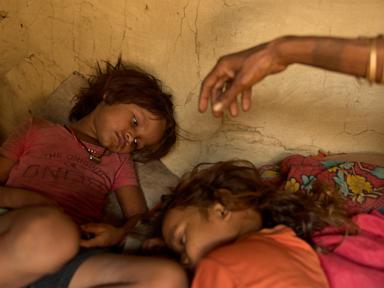
When temperatures spike, adults reach for iced coffee, turn up the air conditioning, and complain about the commute. Infants and young children face an entirely different biological reality during a heatwave. Keeping babies and children safe requires understanding that a child is not simply a miniature adult; their bodies process thermal stress through a completely different physiological lens.
Traditional advice usually stops at telling parents to keep kids indoors and offer extra water. That superficial approach ignores the hard mechanics of pediatric thermoregulation. Let us examine why standard guidelines fall short, how children's bodies react under extreme thermal pressure, and what parents must do when the mercury climbs.
The Hidden Physiology of Pediatric Overheating
Adults sweat to cool down. Millions of sweat glands activate, moisture evaporates from the skin, and internal body temperature drops. Infants possess these glands, but their nervous systems are immature. They do not sweat efficiently. Their surface-area-to-mass ratio is significantly higher than an adult's, meaning heat transfers into their bodies at an accelerated rate.
Furthermore, a baby produces more metabolic heat relative to their size. Put these factors together, and a child's internal temperature can rise three to five times faster than an adult's in the exact same environment.
When a room heats up, a baby cannot simply communicate distress beyond crying, becoming lethargic, or refusing feeds. Parents often wait for overt signs like heavy sweating or flushed skin, missing the early warning indicators entirely.
The Car Interior Trap
Every summer, news outlets report tragic stories of children left in parked vehicles. Public service announcements warn that cars heat up quickly. Yet, people still underestimate the physics.
On a standard eighty-degree day, the temperature inside a closed vehicle can climb past one hundred degrees within ten minutes. Cracking the windows open does virtually nothing to lower that rate of increase. A child's core temperature reaches a critical threshold of one hundred and four degrees—the point of heatstroke and organ failure—much faster than most adults realize.
The human body reacts to this rapid thermal invasion by diverting blood flow to the skin to release heat, which starves the brain and vital organs of oxygen. For a small child, this tipping point arrives within minutes, not hours.
Dehydration Dynamics in Developing Bodies
Hydration is another area where conventional wisdom misleads caregivers. Doctors routinely advise giving water during hot weather. For infants under six months old, that advice can be fatal.
An infant's kidneys cannot process plain water. Their kidneys are too small to handle the solute load, leading to a dangerous condition called water intoxication, or hyponatremia. Hyponatremia causes electrolyte levels in the blood to drop precipitously, resulting in swelling of the brain, seizures, and potentially death.
Exclusive breastfeeding or formula feeding supplies all the hydration an infant needs, even during a heatwave. Breast milk changes composition during hot weather to provide higher water content in the foremilk. Nursing mothers must increase their own fluid intake to maintain this supply, but they should never supplement a baby under six months with bottles of plain water.
Spotting the Signs of Fluid Loss
For toddlers over one year old, water is necessary, but monitoring output remains the primary diagnostic tool for parents.
- Fewer than four wet diapers in a twenty-four-hour period
- A sunken soft spot (fontanelle) on top of an infant's head
- Absence of tears when crying
- Dry, cracked lips and sticky saliva
- Unusual lethargy or limpness
Waiting for a child to ask for a drink means dehydration has already begun. Thirst sensation lags behind actual fluid loss in young children. Caregivers must proactively offer fluids at regular intervals throughout the day.
Domestic Thermal Management Failures
Most families rely on domestic cooling solutions that harbor hidden risks. Electric fans offer comfort to adults by evaporating sweat from the skin. For an infant in a sweltering room, a standard fan provides zero actual cooling if the air temperature exceeds body temperature. It merely circulates hot air, accelerating dehydration.
Air conditioning remains the gold standard, but millions of homes lack central air. Window units or portable systems require careful placement. Direct drafts blowing onto an infant can cause rapid chilling or respiratory irritation, creating a delicate balancing act for parents trying to cool a bedroom without causing secondary health issues.
The Danger of Heavy Bedding and Clothing
Parents frequently overdress babies out of an instinctive fear that the child will catch a cold. During a heatwave, this habit turns hazardous.
Swaddling a baby in thick cotton blankets during high ambient temperatures traps body heat. A single layer of lightweight, breathable cotton clothing is sufficient. If a room lacks air conditioning, removing clothing entirely down to a single diaper is often the safest choice for sleep.
Re-Engineering Heat Safety Protocols
Public health messaging must evolve past generic slogans. Communities need actionable, biologically accurate guidelines that account for housing infrastructure, urban heat islands, and socio-economic realities where air conditioning is a luxury rather than a standard amenity.
Cooling centers must be explicitly equipped for families with infants, offering refrigeration for formula and quiet spaces away from direct sunlight. Pediatricians should incorporate thermal risk assessments into routine summer check-ups, educating parents before the temperature spikes rather than reacting after emergency rooms fill up.
Protecting the youngest members of society during extreme weather demands vigilance rooted in science, stripping away outdated folklore, and treating ambient heat as the severe biological hazard it truly represents.