September air in the Nevada desert carries a specific kind of weight. Long after the sun dips below the horizon, the asphalt radiates a dry, unrelenting heat, holding onto the day like a grudge. On a September night in 1996, that heat matched the tension inside a black BMW idling at a red light on Flamingo Road.
Inside that car sat Marion Suge Knight and Tupac Shakur. Moments earlier, they had left the Mike Tyson fight at the MGM Grand, high on adrenaline, surrounded by the flashing lights and roaring crowds of a city built on illusions. Then came the white Cadillac. Then came the gunfire.
Four bullets tore into Shakur’s body. Six days later, he was gone. And just like that, a twenty-five-year-old artist who had captured the raw, fractured nerve of a generation became a ghost.
For nearly three decades, the murder of Tupac Shakur remained an open wound in American culture. It sat on a shelf of unsolved mysteries, feeding conspiracy theories, midnight documentaries, and endless internet speculation. People wanted a neat Hollywood ending. They wanted clarity in a world that often feels chaotic and unjust. Instead, they got silence. The street code of the nineties wrapped around the case like heavy armor, keeping witnesses quiet, investigators frustrated, and justice perpetually out of reach.
Silence has a cost. It breeds ghosts.
For years, Duane "Keefe D" Davis walked the streets, lived his life, and occasionally spoke out loud about what happened on that September night. Not hiding, exactly. Just existing in the open air, talking to documentarians and police alike, perhaps believing that time had built a wall too high to scale.
He miscalculated. Time does not erase history; it merely allows the dust to settle enough for investigators to see the footprints clearly.
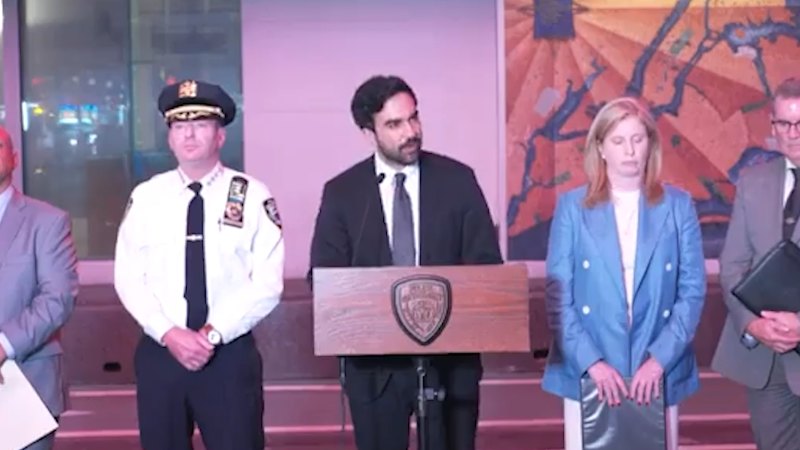
When a jury finally returned a verdict finding Duane Davis guilty of murder in connection with that 1996 drive-by shooting, the news flashed across screens worldwide with the clinical coldness of a legal bulletin. Ex-gang leader found guilty. Case closed. Justice served.
Except justice in a courtroom rarely feels like the cinematic climax we imagine. It feels procedural. It feels quiet. It feels heavy with the realization of how long it took to arrive.
Consider what actually happened in that courtroom. We are talking about a crime committed when the internet was still dial-up, when cell phones were rare bricks carried mostly by businessmen, when the cultural landscape looked entirely different. Decades passed. People aged. Witnesses relocated, grew old, or died. Yet, the machinery of justice, slow and grinding, finally caught up to an aging man in a jumpsuit.
Davis did not pull the trigger himself, according to prosecutors, but he orchestrated the machinery of death that night. He provided the weapon. He put the pieces in motion. The legal theory relied on accountability that stretches beyond the immediate shooter—a recognition that conspiracies have architects.
Standing in the shadow of that verdict, the instinct is to look for closure. We want to draw a clean line under the tragedy and turn the page. But human lives do not work that matter-of-factly. Tupac's mother, Afeni Shakur, spent the rest of her life fighting to keep her son’s spirit, art, and legacy alive before she passed away in 2016. She did not live to see a courtroom gavel fall on the man linked to her son's final moments. That is the tragedy that lingers beneath the legal victory. The delay. The missing years. The empty space at the dinner table that never filled back up.
Music was his weapon. Words were his armor. Shakur understood the violence of his environment because he narrated it with brutal, uncompromising honesty. He was a poet of the pavement, translating the socioeconomic fractures of urban America into anthems that resonated from Compton to international stages. When he died, hip-hop lost one of its most complex, contradictory, and brilliant voices.
The trial in Las Vegas forced an aging subculture to look backward, confronting the sins of its youth under the harsh fluorescent lights of a modern courtroom. It proved that murder investigations do not simply expire because the calendar turns. Detectives kept working. Evidence was re-examined. Old confessions made on television and in police interviews were dragged into the light.
When the verdict was read, there were no fireworks. No sudden outbursts of cinematic redemption. Just the heavy thud of accountability echoing in a sterile room.
We are left standing at the intersection of myth and reality. The myth is the immortal icon, frozen in time at age twenty-five, wrapped in bandanas and defiant stares. The reality is an aging man facing a life sentence for a thirty-year-old vendetta that ultimately achieved nothing except the destruction of a brilliant life and the ruination of his own.
The desert heat still rises off the asphalt in Las Vegas. The neon signs still blink through the night. But the ghost on Flamingo Road can finally rest.