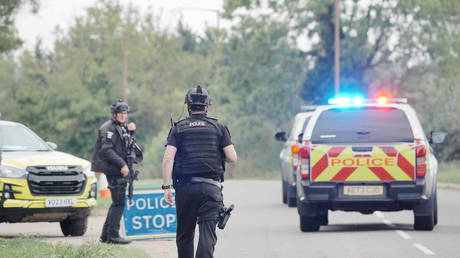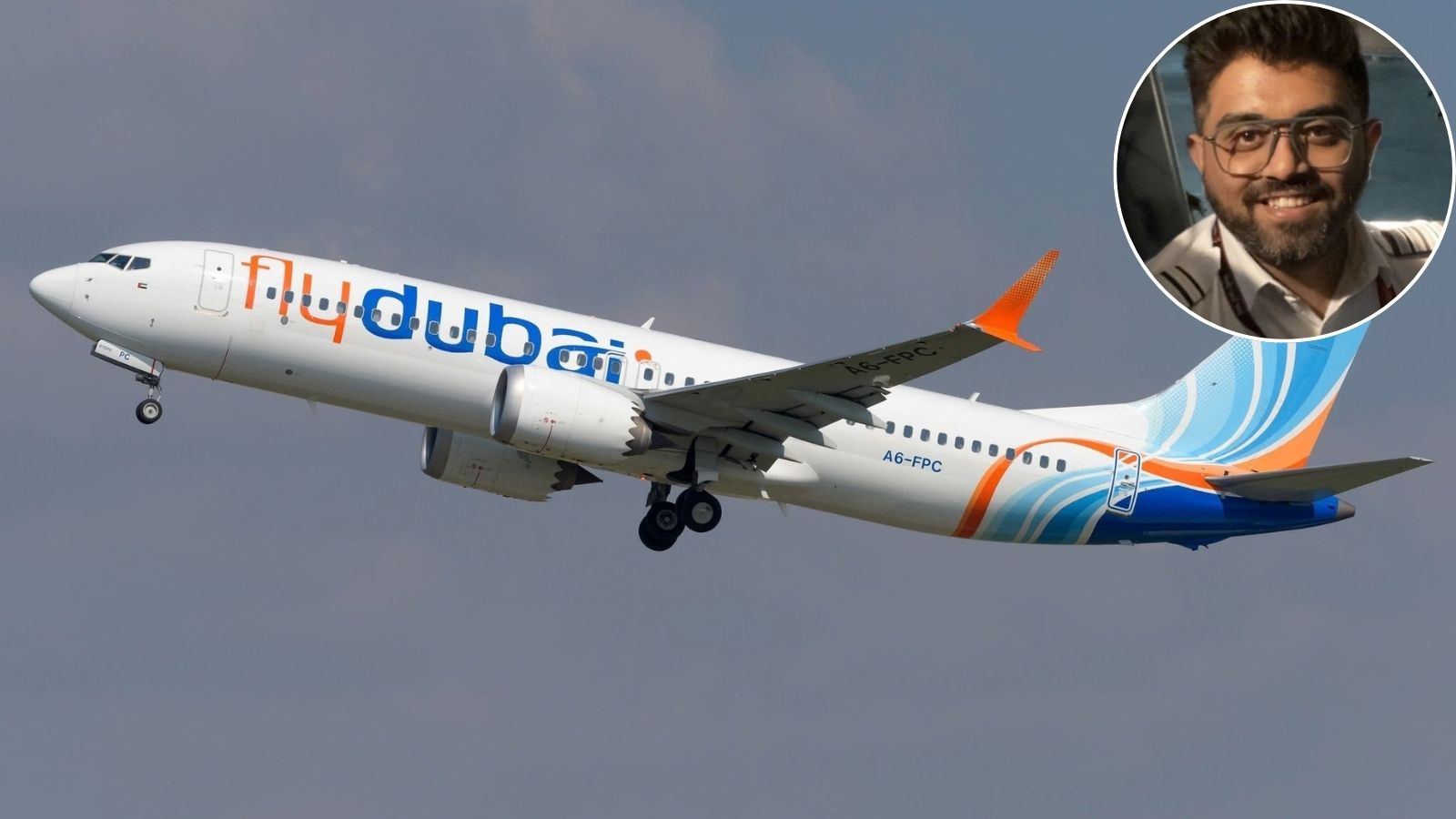
Cockpit doors are supposed to keep nightmares out. On a routine flydubai flight thousands of feet above the earth, that physical barrier failed in the most terrifying way imaginable. An unruly passenger breached the flight deck, armed and violent, and immediately targeted the person flying the plane. What happened next wasn't an action movie script. It was a brutal, high-altitude struggle for survival that tested human adrenaline and professional discipline to absolute breaking point.
When a pilot takes
How One Stabbed Indian Pilot Defied Death at Fourteen Thousand Feet
news
Planes are supposed to stay in the sky. Pilots are supposed to stay in control. But on one terrifying flight, a routine cabin dispute turned into a life-or-death struggle inside a cramped cockpit at cruising altitude.
You do not expect to fight for your life while managing a commercial jet full of passengers. Captain Harpreet Singh Sikand faced that exact nightmare. A violent altercation broke out, leaving him stabbed and bleeding in the flight deck. What followed was a masterclass in extreme crisis management. His plane plunged fourteen thousand feet in twenty-nine seconds during the chaos.
When you read about aviation emergencies, you usually think of engine failures, severe turbulence, or bad weather. Human malice inside the flight deck is a terrifying outlier. Aviation security protocols changed drastically over the years, yet this incident exposed vulnerabilities that shock the conscience.
The Chaos Inside the Cockpit
Let us look at what actually happened. An intruder or rogue individual breached security layers and managed to get close to the flight controls. Tensions escalated fast. Words failed. Violence took over.
Captain Sikand didn't have time to panic. He took a knife wound while trying to protect the controls and prevent a catastrophic crash. Blood loss, sudden pain, and adrenaline hit him all at once. The aircraft reacted violently to the struggle. It dropped fourteen thousand feet in less than half a minute.
Imagine the G-forces. Imagine the absolute pandemonium in the cabin as passengers experienced a sudden, violent nosedive. Cups flew. Oxygen masks dropped. People screamed. Most pilots train for mechanical failures, but handling a physical assault while trying to pull a heavy commercial jet out of a high-speed dive requires an inhuman level of grit.
Why Aviation Security Still Fails in Unexpected Ways
We trust the system. We take off our shoes, empty our pockets, and walk through metal detectors. We assume the cockpit door is an impenetrable vault.
This incident proved that human determination can bypass mechanical barriers when protocols slip. It forces airlines to rethink how crew members interact with passengers and how quickly backup can arrive. You cannot rely on a heavy door alone if someone on the inside or outside manages to exploit a moment of distraction.
Pilots are trained to fly, navigate, and communicate. They are not frontline combat soldiers. Yet, modern aviation demands that they possess tactical awareness alongside technical proficiency.
The Human Cost Behind the Headlines
Media outlets love a good survival story. They plaster the hero label on pilots who manage to land a damaged plane. But the real story goes deeper than a neat headline.
Recovery takes years. Physical scars heal slower than psychological ones. Captain Sikand faced a grueling journey back to normalcy after the adrenaline faded and the media circus moved on. Crew members who witness cockpit violence carry that trauma into every subsequent shift.
When you board a flight tomorrow, you rarely think about the person up front facing a knife or a fist. You worry about delays or lost luggage. The reality of aviation safety rests on fragile human shoulders.
What We Can Learn From the Plunge
Complacency kills. That is the golden rule of aviation safety. Whenever an incident like this occurs, regulatory bodies rewrite the rulebooks.
Airlines tightened crew resource management training. They integrated better physical deterrents and stricter protocols for opening flight deck doors during flight. Security isn't just about what happens at the airport terminal gate. It extends thousands of feet in the air, right up to the metal door separating the passengers from the pilots.
Stay aware of your surroundings when you travel. Pay attention to safety briefings. Respect the crew. They deal with pressures you will never see.
Captain Sikand kept his hands on the yoke when every instinct told him to collapse. That split-second choice saved dozens of lives. Next time you board a flight, remember that the safety of the journey relies entirely on ordinary people doing extraordinary things under unimaginable pressure.