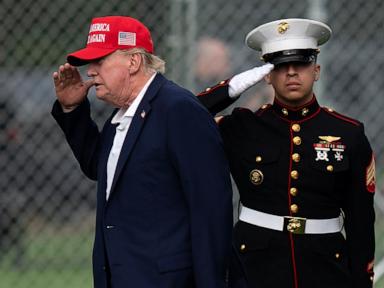
The foundation of American influence in the Indo-Pacific is shifting beneath our feet. By ordering a substantial reduction in joint military exercises with South Korea, President Donald Trump has signaled a transactional approach to collective defense that risks unraveling seven decades of regional stability. This decision, predicated on the president’s personal rapport with North Korean leader Kim Jong Un and a palpable frustration over Seoul’s refusal to engage in secondary theater conflicts like the war in Iran, represents a sharp departure from the traditional doctrine of deterrence. When security guarantees become bargaining chips, the entire architecture of global containment begins to lose its shape.
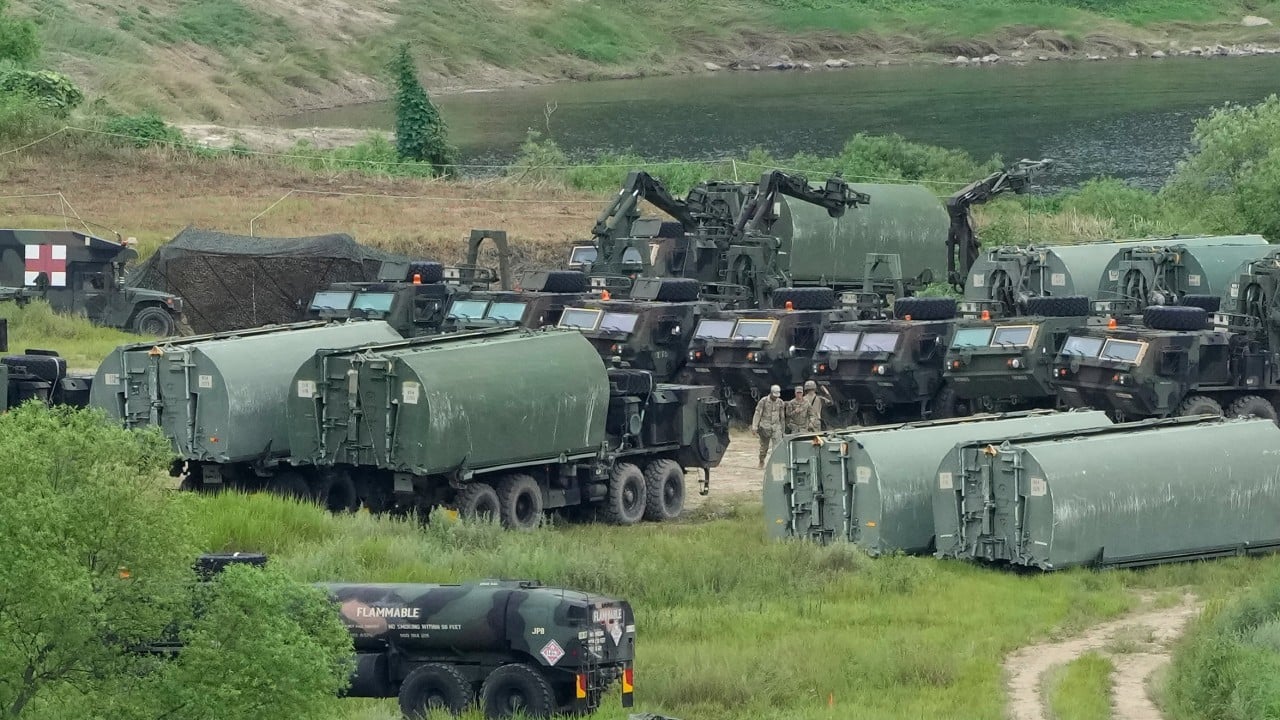
The Ulchi Freedom Shield exercises, an 11-day series of drills involving roughly 18,000 South Korean personnel, are not merely symbolic gestures. They are the operational sinew of the 1953 Mutual Defense Treaty. These simulations—which include rehearsing responses to missile strikes, cyber warfare, and drone incursions—provide the necessary friction to ensure that the combined command structure can function under the extreme pressure of a real-world invasion. To prune these exercises is to degrade the technical readiness of the forces responsible for upholding the nuclear umbrella over the Korean Peninsula.
The rationale provided on social media centers on the perception that these drills are unnecessarily provocative to a regime that has spent the last year modernizing its arsenal and deepening its military integration with Russia. This creates a dangerous cognitive dissonance. While the president characterizes North Korea as unthreatening and respectful, the 2026 Annual Threat Assessment produced by his own administration paints a picture of a regime that is increasingly confident and technologically capable. Pyongyang has not merely expanded its nuclear inventory; it has gained actual battlefield experience by providing support to Russian forces in Ukraine. Treating such an entity as a misunderstood interlocutor rather than a strategic adversary suggests an overestimation of personal diplomacy’s efficacy.
This policy shift creates a cascading effect for regional allies. Japan, Australia, and the Philippines are watching closely to see whether the American commitment to the Pacific is steadfast or seasonal. When Washington punishes a critical partner like South Korea for failing to align with U.S. priorities in the Middle East, it sends a clear message to every capital in Asia: American protection is negotiable. This perception of volatility forces regional powers to consider self-sufficiency. If the United States is willing to hollow out its alliance structure to vent frustration or seek a personal diplomatic win, the incentive for Tokyo or Seoul to pursue their own independent strategic capabilities grows exponentially.
The economic dimension of this dispute is equally fraught. By linking the security of the Korean Peninsula to Seoul’s participation in an unrelated conflict in Iran, the White House has introduced a level of bureaucratic unpredictability that markets and military planners alike despise. The demand for support in a distant theater of war, combined with the criticism of training costs, shifts the relationship from a treaty-based partnership to a forced-subscription model. This transactionalism ignores the reality that South Korea is an essential economic and security anchor in a part of the world currently defined by shifting tectonic plates of power.
The reality of the Korean theater is that peace—or at least the absence of total war—has been maintained not by social media overtures, but by the relentless, grinding work of preparation. The North Korean military operates on a logic of accumulation. Every day the drills are scaled back, every day the joint command structure becomes less familiar with the nuances of regional defense, and every day the credibility of the American deterrent wanes, the North Korean leadership sees an opportunity to push the boundaries of the status quo.
The danger is not just that a specific drill is reduced in size or scope. The danger is the abandonment of the ironclad commitment that has prevented conflict on the peninsula for generations. When the commander-in-chief describes defense exercises as inappropriate, he is effectively telling the adversaries of the United States that the cost of challenging the status quo has been permanently lowered.
We are moving into an era where the old guardrails of the Cold War are being dismantled without a clear replacement. The alliance system that defined the late twentieth century was never perfect, but it provided a framework for managing escalation and preventing catastrophic miscalculations. By treating these relationships as disposable assets, the current administration is creating a security vacuum in the Pacific.
The consequences of this choice will not be felt immediately in a single headline or a sudden withdrawal. They will be felt in the gradual erosion of trust, the quiet acquisition of independent military capacities by nervous neighbors, and the emboldening of regimes that view American fatigue as their ultimate strategic opening. Stability is not an accident. It is a product of sustained, often tedious, and expensive commitment. When you start stripping away the architecture of that commitment, the structure does not just settle into a new, quieter configuration. It collapses.