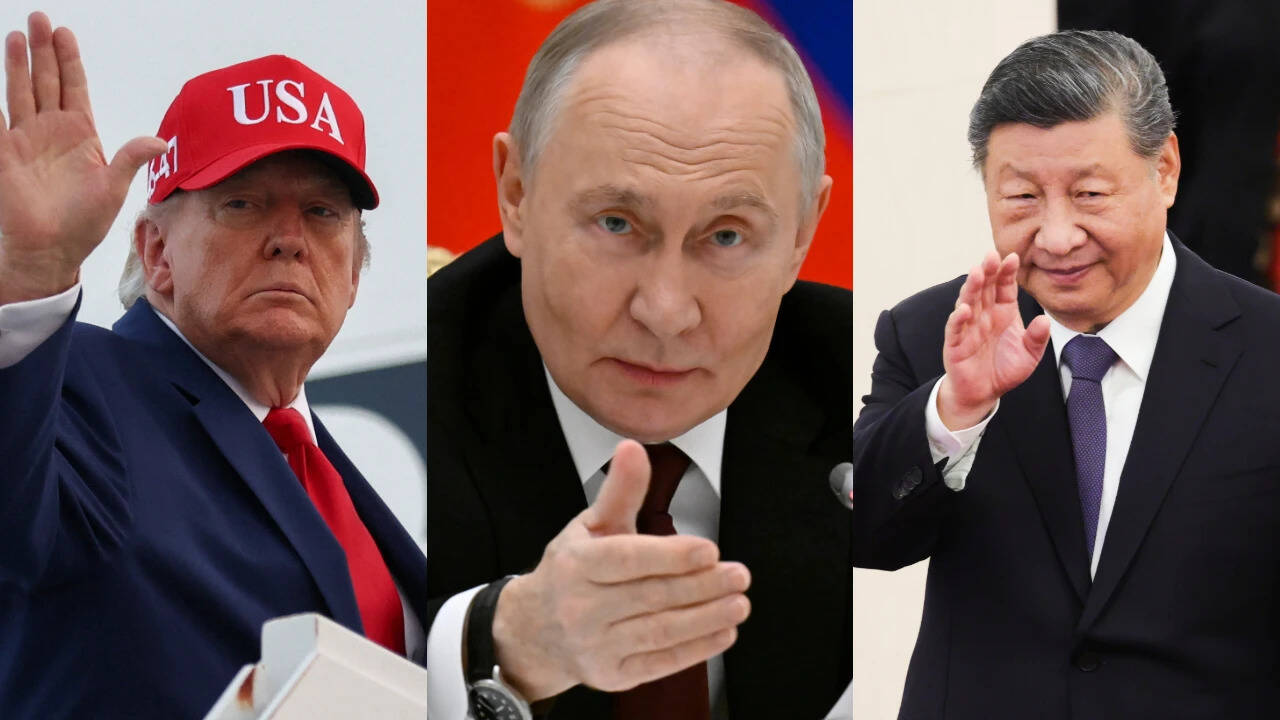
When Donald Trump, Vladimir Putin, and Xi Jinping sit down together in Shenzhen, the geopolitical chessboard shifts. Everyone wants to talk about grand trilateral peace pacts, but the reality on the ground is far messier. Moscow signaled that the war in Ukraine and potential paths toward ending the conflict topped the agenda, yet the official joint statements left out concrete resolutions for Kyiv. You have to look past the photo-ops to understand what these superpowers are actually bargaining for.
The Great Power Play in Shenzhen
Great power politics never really went away. When leaders of the world's largest nuclear nations gather behind closed doors, smaller sovereign states get justifiably nervous about being cut out of negotiations. Trump walked into the summit boasting about his personal relationships with both autocrats, claiming he could push things toward a peaceful conclusion. Meanwhile, Beijing kept its focus primarily on trade and regional stability, resisting any framework that would isolate its strategic partnership with Russia. For another perspective, see: this related article.
Moscow arrived with specific demands regarding European security architecture. Putin knows that holding talks in places like China gives him an optical win, projecting strength while his military campaign grinds on. Ukraine and its European allies watched anxiously, fearing another arrangement made over their heads.
Why a Quick Deal Is Unlikely
If you think a single afternoon summit can wipe away years of bloodshed, you are ignoring the fundamental gap between what Russia demands and what Ukraine will accept. Moscow wants total submission on security terms that Kyiv views as national suicide. Trump can talk about swift deals all day long, but diplomacy involving stubborn territorial control and deep-seated existential threats takes more than charismatic handshakes. Further coverage on this trend has been provided by The Washington Post.
Beijing plays a quieter, more protective role. China has kept Russia's economy afloat through heavy trade and diplomatic backing ever since the 2022 invasion. Xi wants to project an image of a global peacemaker without sacrificing the economic leverage he holds over Moscow. That balancing act means real concessions on Ukraine are off the table for Beijing.
Looking Beyond the Headlines
Watch what happens behind the scenes rather than believing the public declarations. Envoys are scrambling between capitals, trying to stitch together backchannel compromises while frontlines shift daily. Real deterrence and actual peace won't be handed down from a three-way summit in a coastal Chinese tech hub. Keep your eyes on the battlefield updates and European defense spending instead of expecting sudden diplomatic miracles from superpower summits.