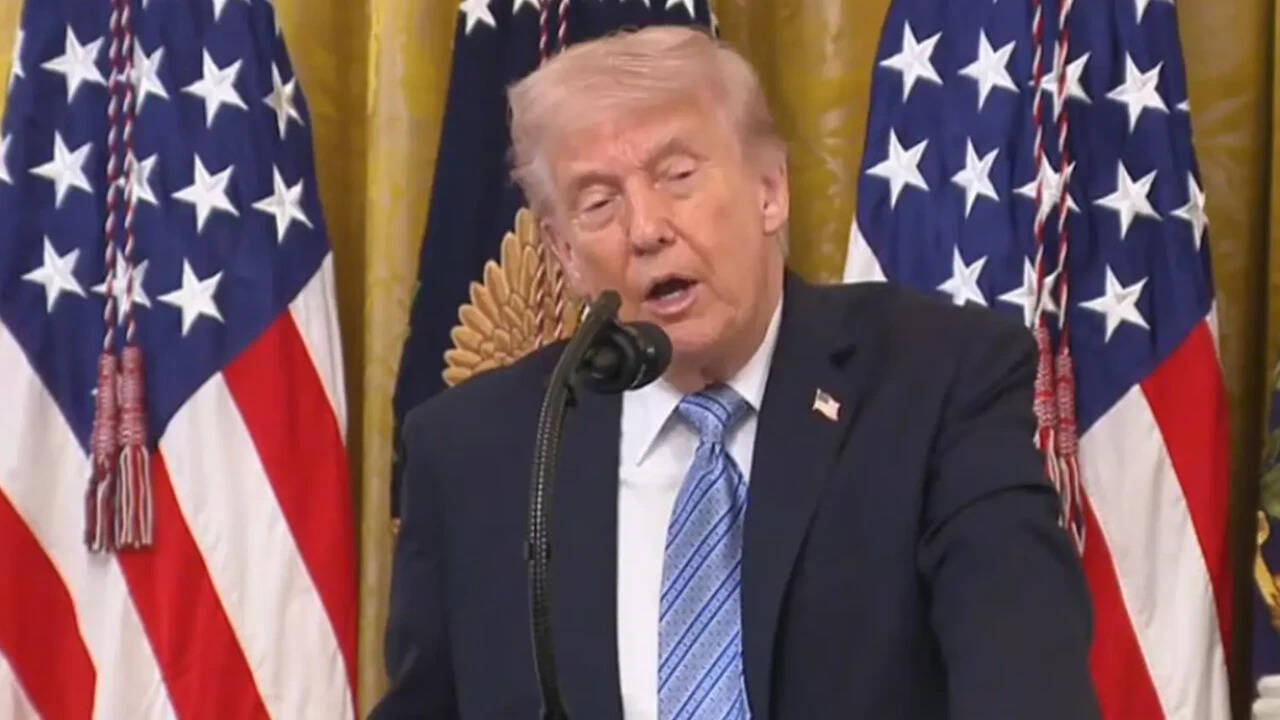
Donald Trump just escalated his war on independent research by threatening a massive five billion dollar personal defamation lawsuit against the Center for American Progress.
If you think this is just standard political posturing, look closer. The move targets a July policy report that dared to question whether Trump's high-profile National Guard deployments actually reduced crime.
The Report That Triggered the Threat
Back in mid-July, the Washington-based liberal think tank released an extensive breakdown of the administration's military deployments. The analysis zeroed in on operations across Washington D.C., Memphis, and Los Angeles.
The findings were blunt. The research concluded that flooding these streets with the National Guard failed to produce any measurable impact on violent crime rates. More importantly, the data showed that crime was already dropping nationally well before the deployments began. Cities without any military intervention experienced drops identical to cities with armed patrols.
Trump's private attorney, Alejandro Brito, fired off a retraction demand with an explosive price tag. The letter claimed the report defamed the president by painting him as a fraud who manipulated crime statistics for political gain.
Pushing Back Against the Pressure
The Center for American Progress didn't back down. They missed the Friday deadline to retract the study. Neera Tanden, the organization's chief executive, released a fiery statement calling the legal threat a transparent attempt to silence inconvenient facts.
Legal experts are already weighing in, and most think the suit has zero legal legs to stand on. Defamation law requires statements to be false and directed squarely at an individual's reputation, not policy evaluations of a federal initiative. But winning the case might not even be the point.
Threatening astronomical financial ruin changes the cost-benefit analysis for any nonprofit publishing critical oversight. When a five billion dollar price tag gets attached to a policy critique, smaller organizations start self-censoring out of pure self-preservation.
The Broader Playbook
This isn't an isolated incident. Using aggressive legal threats against critics, law firms, and research institutions has become a central feature of modern political hardball.
Think about how this affects the broader ecosystem of public accountability. If think tanks can't analyze government spending and deployment data without facing personal bankruptcy threats, independent policy analysis dies.
The White House response to press inquiries was tight-lipped, but the message from the legal filing is loud and clear. Expect more friction between executive power and institutions attempting to measure the real-world results of domestic military operations. Read the original reports, check the data yourself, and watch how this legal showdown unfolds.