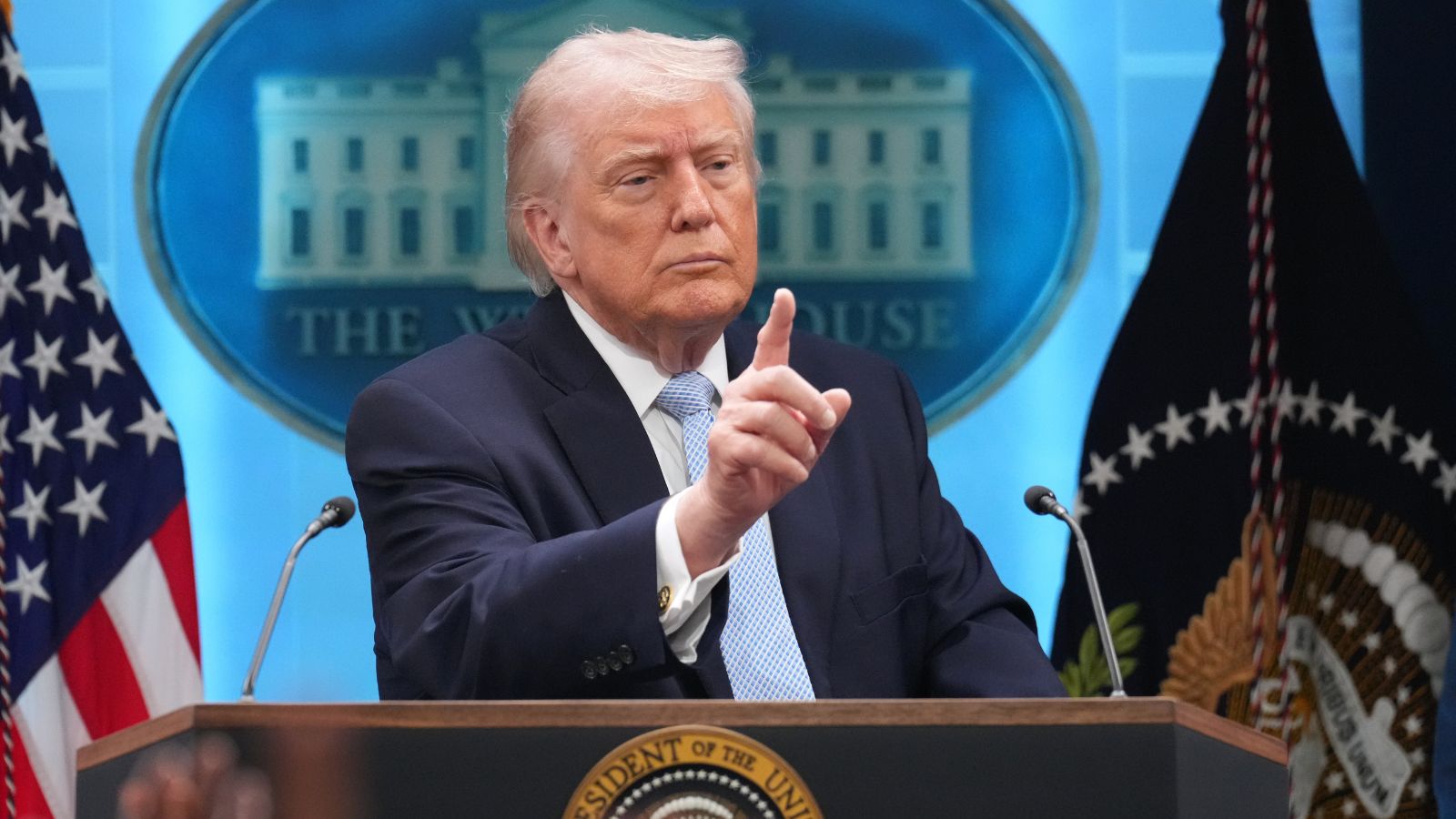
Foreign policy isn't about polite diplomatic cables anymore. Donald Trump doesn't do quiet warnings. When he speaks about Iran right now, the geopolitical math shifts overnight. Tehran just received a blunt, unfiltered message. Step out of line with retaliatory strikes, and the consequences won't be measured in mild economic sanctions or stern UN letters. The phrasing used left zero room for misinterpretation. Complete erasure was the core theme.
Let's look at what's actually happening on the ground. Washington and Tehran have danced this dangerous tango for decades, but the baseline has changed. We aren't dealing with standard posturing. You've got high-stakes military positioning across the Middle East, proxy networks testing red lines, and intelligence agencies flashing red alert signals. Most mainstream analysis completely misses the psychological weight of Trump's return to the chessboard. He operates on unpredictability. When he warns that the biggest strike is still waiting in reserve, foreign ministries in the region listen differently. They know he isn't bound by traditional bureaucratic caution.
The Strategy Behind the Rhetoric
Why drop a threat this loud in public? Deterrence only works if the other side believes you'll actually pull the trigger. Iranian leadership has spent years calculating Washington's thresholds. They've tested naval patrols, backed regional militias, and pushed nuclear enrichment milestones right up to the edge.
Trump's direct messaging aims to shatter those cold calculations. If Tehran assumes the US wants to avoid a wider regional war at all costs, they misread the entire manual. Real deterrence requires signaling a willingness to absorb short-term chaos for long-term dominance.
- Proxy group financing is taking direct hits.
- Cyber warfare capabilities are operating at a heightened tier.
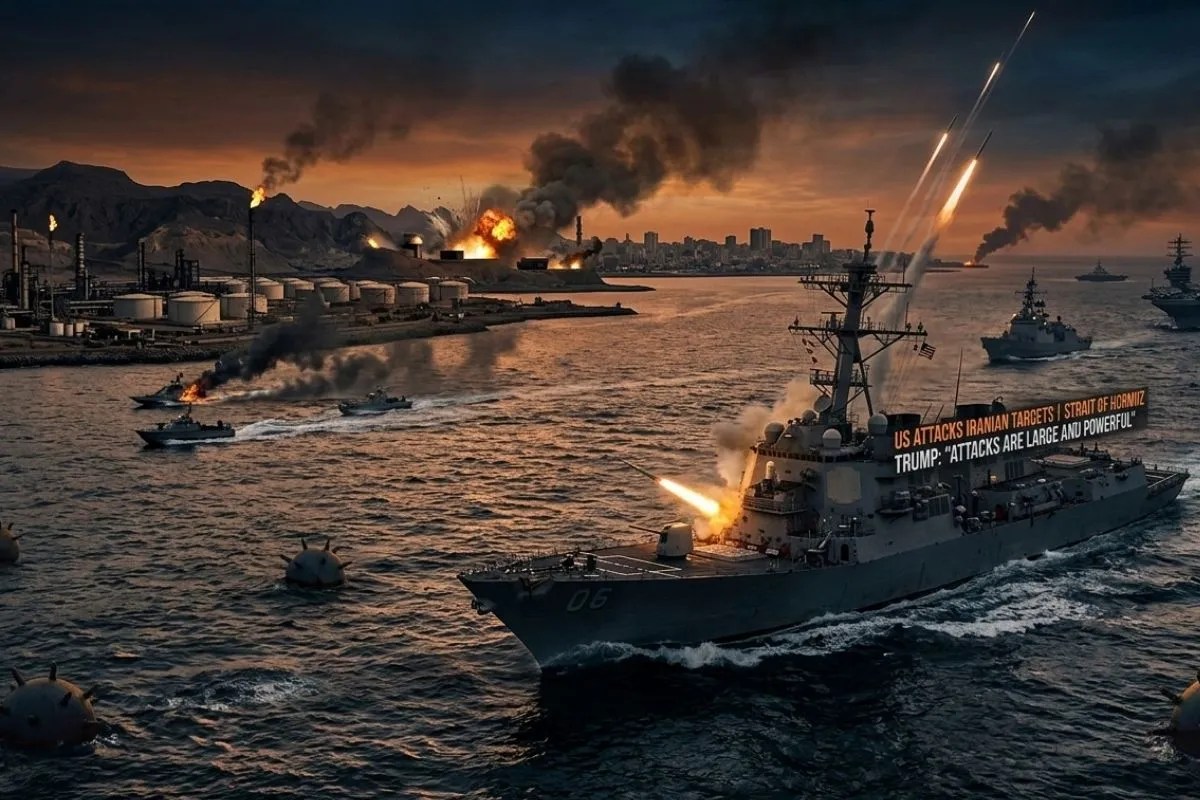
- Regional naval deployment has choked off standard supply routes.
Intelligence reports indicate that White House planners aren't just looking at defensive intercepts anymore. The playbook favors pre-emptive asymmetry. If Iran's Islamic Revolutionary Guard Corps coordinates another regional missile barrage or drone swarm against allied infrastructure, the response won't match previous proportional retaliations. It scales upward exponentially.
Decoding Tehran's Options
What can Iran actually do in response? Their options shrink by the day. Direct conventional war is a losing bet against modern air superiority and intelligence dominance. They rely heavily on asymmetric warfare, cyber disruptions, and proxy proxies scattered through Lebanon, Yemen, and Iraq.
Yet every single one of those proxies costs money and resources that Tehran's sanctions-battered domestic economy can barely sustain. Inflation is crushing local populations. Street protests haven't vanished; they've just gone underground, waiting for a spark. When an authoritarian regime faces external military annihilation alongside internal fracturing, bad decisions happen fast.
We've watched Iranian state media brush off the warnings as mere psychological warfare. That's predictable. Every regime facing existential pressure puts on a brave face for domestic consumption. Behind closed doors in Tehran, the crisis meetings are running 24/7. They understand that a second Trump administration operates with fewer internal guardrails than his first term.
What This Means for Global Stability
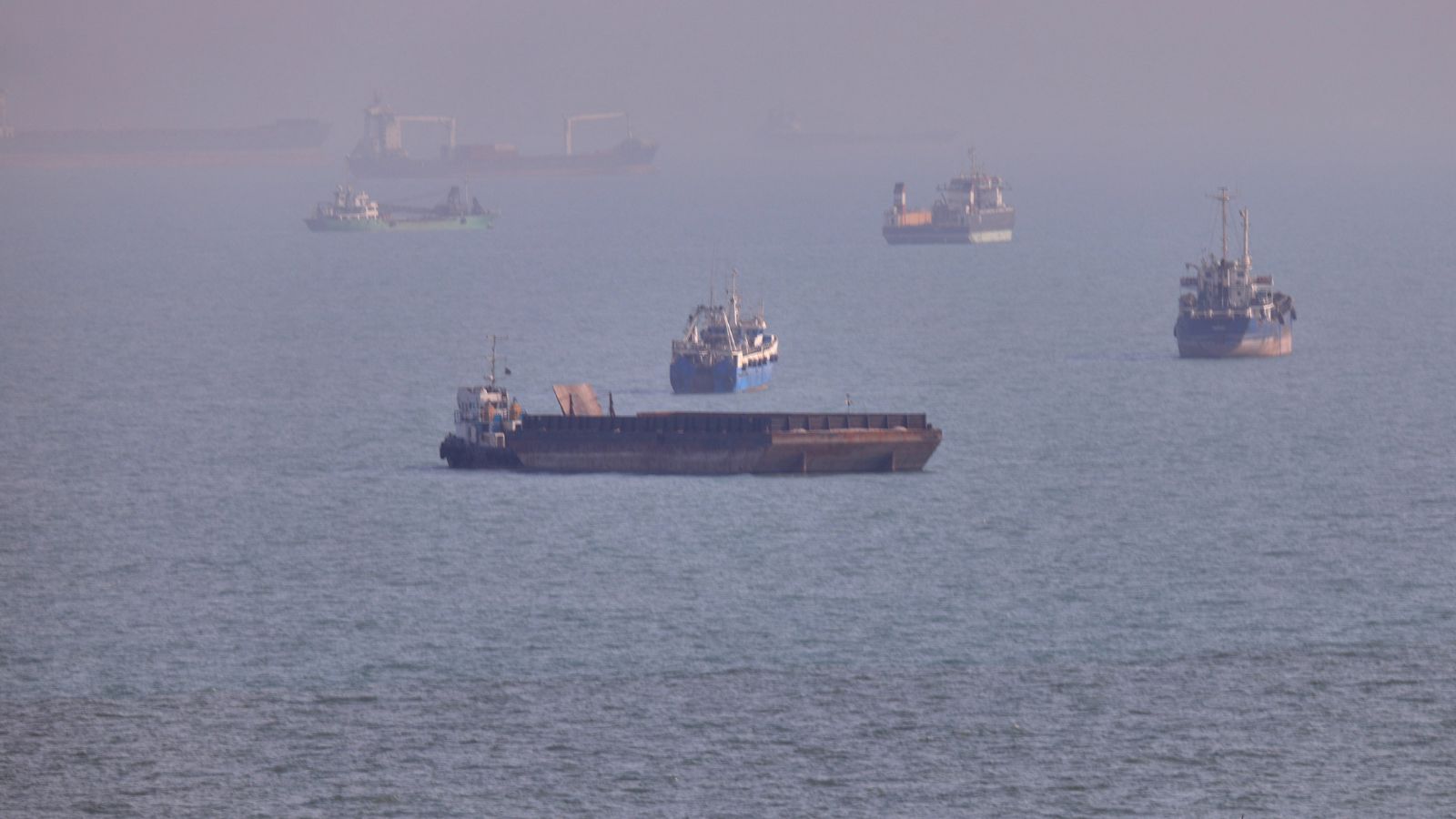
Energy markets hate uncertainty. The moment rhetoric turns toward total obliteration, crude oil futures spike. Global shipping lanes through the Strait of Hormuz become immediate flashpoints. If you're running supply chains or watching international portfolios, ignoring these developments is pure negligence.
The old rules of engagement are broken. We are living through a transitional period where deterrence depends entirely on raw, unvarnished strength. Tehran has a very narrow window to recalibrate its regional ambitions before the option for diplomacy disappears completely. Watch the next moves closely. The margin for error has officially hit zero.